



What finishes are available for white quartz kitchen countertops?
- 1) How do I choose between polished, honed (matte), and leathered finishes for white quartz kitchen countertops to minimize visible scratches, water spots, and fingerprints?
- 2) What finishes are available for white quartz kitchen countertops and how do they affect cleaning, warranty coverage, and appearance over time?
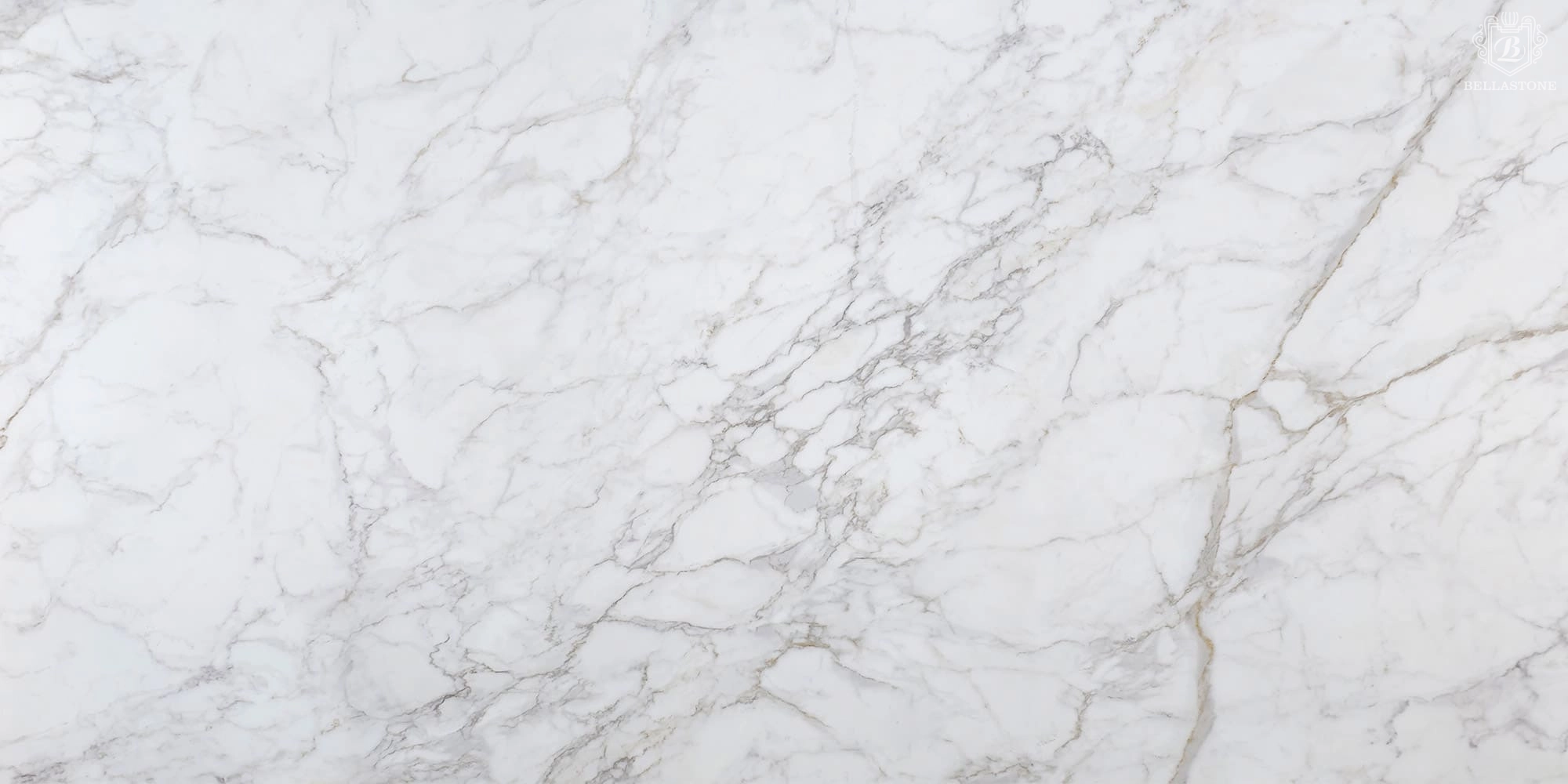
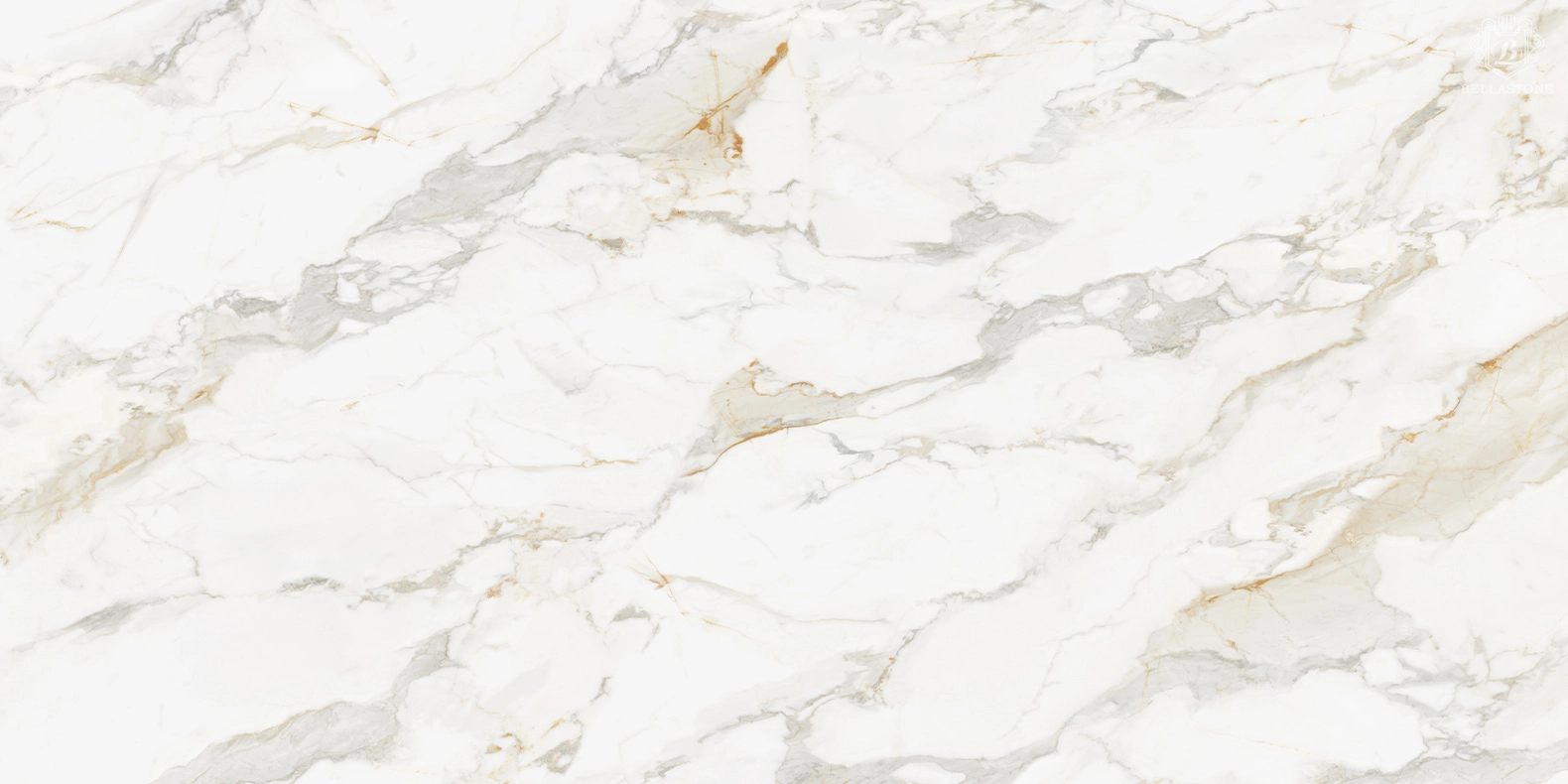
- 3) How can I minimize visible seams and pattern mismatch when ordering white marble-look quartz for a large island or open-plan kitchen?
- 4) Can I put hot pots or cast-iron pans directly on white quartz countertops? What heat protection is recommended to avoid damage or discoloration?
- 5) How should I evaluate slab thickness, edge profiles, and substrate support for an undermount sink and heavy-duty prep use?
- 6) What cleaning routine and chemicals will keep white quartz kitchen countertops bright, prevent resin-yellowing, and comply with manufacturer warranty and health-safety practices?
1) How do I choose between polished, honed (matte), and leathered finishes for white quartz kitchen countertops to minimize visible scratches, water spots, and fingerprints?
Choosing a finish is one of the highest-impact decisions for both wear and appearance. Polished (high gloss) offers maximum brightness and depth—excellent for marble-look white quartz to emphasize veins. However, mirror-like shine highlights water spots, fingerprints, and fine scratches on light-colored backgrounds. Honed or matte finishes reduce reflections and hide fingerprints and mineral spots better; they suit busy family kitchens or contemporary designs that want a softer look. Leathered (also called brushed or textured) finishes add tactile grip and are excellent at camouflaging both light scratches and small stains because the texture scatters light and reduces glare.
Practical tips: If you cook with oily hands often or have water-hardness issues, avoid high-polish surfaces unless you accept more frequent wiping. For islands and waterfall edges where the countertop is a focal point, polished or marble-effect polished quartz can create a luxury look; for high-use prep zones or around sinks and ranges, consider honed or leathered finishes. Ask your fabricator for full-size finish samples in the exact slab you’re ordering—finish behavior varies with veining and pigmented resins. Also test the sample with common cleaners, a damp cloth, and a sharp light to see how fingerprints and micro-scratches behave.
2) What finishes are available for white quartz kitchen countertops and how do they affect cleaning, warranty coverage, and appearance over time?
Common finishes manufacturers offer for white quartz kitchen countertops include polished (gloss), honed/matte, leathered/textured, suede (very soft matte), and occasionally antiqued or brushed. Each finish affects maintenance and appearance:
- Polished: Easy to clean (smooth surface), shows fingerprints/water spots more, often used for marble-look slabs.
- Honed/Matte: Hides streaks and fingerprints, slightly higher maintenance to avoid buffing marks with abrasive cleaners.
- Leathered/Textured: Excellent at hiding wear and small abrasions, traps less visible dirt, but may require a soft brush for grooves in deep texture.
Warranty and care: Finish choice rarely voids standard manufacturer warranties, but improper maintenance (bleaches, high-alkaline cleaners, or harsh abrasive pads) can. Always review the technical data sheet (TDS) and care instructions included with the specific slab brand. For example, many leading brands ship technical and care guidance and will state approved cleaning chemistries and unacceptable practices. If a finish is custom-textured (deep leathering), ask the supplier whether that finish affects stain resistance claims or surface warranty—some bespoke finishes carry separate notes in the warranty.
3) How can I minimize visible seams and pattern mismatch when ordering white marble-look quartz for a large island or open-plan kitchen?
Seaming is a frequent pain point when installing large white quartz surfaces with veins. Engineered quartz is produced in slabs (~120–160 long depending on producer), so large islands or long runs will often require seams. To minimize visibility:
- Order a full-slab layout review: request full-size slabs or high-resolution slab photos and ask the fabricator for a digital seaming plan showing vein alignment and seam locations before cutting.
- Choose slab-matched book-matching where the manufacturer permits it—this aligns veins across seams and is often used for waterfall islands and backsplashes.
- Plan seam placement in less conspicuous spots (over sink bases, at cabinet junctions, or along the rear of islands) and avoid placing seams at focal zones like the island’s primary face.
- Use a color-matched epoxy seam filler and a highly skilled fabricator—seam quality is as important as seam placement. For heavily veined designs, accept that a narrow, deliberate seam that follows pattern flow will be less noticeable than a perfectly flat but poorly matched seam.
Finally, when buying marble-look quartz, be prepared to pay a High Quality for slabs with consistent large-scale veining or for fabricators who will book-match slabs; these services reduce visible seams but increase material and labor costs.
4) Can I put hot pots or cast-iron pans directly on white quartz countertops? What heat protection is recommended to avoid damage or discoloration?
Engineered quartz is durable but not heatproof. White quartz kitchen countertops are made from approximately 90–93% ground natural quartz bound with polymeric resins (typically around 7–10%) and pigments. The resin matrix softens under high, rapid heat and prolonged localized heat can cause thermal shock, discoloration, or resin delamination. Avoid placing red-hot pans directly on quartz.
Recommendations:
- Use trivets or hot pads for any cookware taken directly from the stove or oven. Silicone trivets distribute heat and reduce point loading.
- Keep continuous heat-producing appliances (woks, griddles, countertop grills) away from direct contact with quartz; use heat-isolating platforms.
- For cooktop installations: ensure there is sufficient underside support and proper cutout reinforcement—consult the cooktop manufacturer and fabricator because appliance heat and placement can transmit heat to the countertop’s underside.
If you require a higher heat tolerance for tasks like placing hot pans, consider specifying a quartz product rated for higher heat resistance or choose a thermally stable natural stone (with proper sealer if needed) in those localized areas.
5) How should I evaluate slab thickness, edge profiles, and substrate support for an undermount sink and heavy-duty prep use?
Thickness and edge profile are structural and aesthetic choices. Quartz slabs typically come in 2 cm (≈3/4) and 3 cm (≈1 1/4) thicknesses. Thicker slabs offer more rigidity for extended overhangs and larger unsupported spans; they also support heavier edge profiles (ogee, bullnose) without bracing. Approximate weights (manufacturers vary): a 3 cm slab can weigh roughly 13–15 lb/ft², and 2 cm about 9–11 lb/ft²—consult the supplier for exact density and weights for handling and cabinet reinforcement calculations.
For undermount sinks and heavy use:
- Prefer 3 cm for long spans, islands with cantilevers over 10–12, and where heavy edge profiles or integrated waterfall edges are desired. If using 2 cm, plan for plywood substrates, extra plywood backing, or a laminated underside to add stiffness.
- Edge profile choice affects perceived thickness; a mitered laminated edge can produce a thicker-look but needs precise fabrication to avoid weak joints.
- For undermount sinks, ensure the fabricator details the sink cutout, adequate bracket/support locations, and silicone or epoxy specified for resin-based engineered stone.
- Request a fabrication drawing and ask about reinforcement at mixer/fixture cutouts and areas where a heavy appliance or standing load may rest.
Work with a fabricator who provides CAD templates and load-support recommendations; incorrect support or thin sections can lead to hairline cracks over time.
6) What cleaning routine and chemicals will keep white quartz kitchen countertops bright, prevent resin-yellowing, and comply with manufacturer warranty and health-safety practices?
Because white quartz countertops are non-porous and stain-resistant, regular maintenance is relatively simple—but the right products and techniques matter to prevent dulling, resin degradation, or warranty issues.
- Daily cleaning: wipe with a soft cloth and a pH-neutral, non-abrasive cleaner or warm soapy water. Microfiber cloths work well on honed and polished surfaces.
- Stain removal: for dried food or sticky spots, use a plastic scraper, then clean with your pH-neutral solution. Avoid strong alkaline or high-bleach concentrations; follow the slab maker’s TDS for approved cleaners.
- Disinfecting: many brands permit diluted household disinfectants (per manufacturer instructions), but prolonged exposure to concentrated bleach or high-alkaline industrial cleaners can attack pigments or resin; always rinse thoroughly.
- Avoid: oven cleaners, oven degreasers, 100% bleach, high-pH drain cleaners, and abrasive pads (steel wool) that can scratch or dull finishes—these behaviors can sometimes invalidate warranty claims.
- Specialty maintenance: textured or leathered finishes may require a soft nylon brush to dislodge dirt out of texture grooves; do not use hard-wire brushes.
- Warranty and documentation: keep the product TDS, warranty paperwork, and cleaning instructions from the supplier—most manufacturers require following their care guidance as a condition of warranty.
Health & fabrication safety note: fabrication produces crystalline silica dust. Ask your fabricator if they follow wet cutting methods and OSHA silica control measures; this is essential for worker safety and consistent finish quality.
Conclusion: White quartz kitchen countertops combine marble-like aesthetics with engineered durability—non-porous performance, strong stain resistance, and finish variety (polished, honed, leathered) let you balance luxury and practicality. Choose finishes based on daily habits, plan seams proactively for veined designs, protect surfaces from extreme heat, and work with an experienced fabricator for correct thickness, edge profile, and safe installation. Proper cleaning with pH-neutral cleaners and following manufacturer technical data sheets preserves warranty and appearance over time.
For an accurate quote, slab photos, or to schedule a template and fabrication estimate, contact us at www.gdbellastone.com or email info@gdbellastone.com.


Care & Maintenace
Is Bellastone quartz heat-resistant?
Quartz is heat-resistant, but not heat-proof. Always use trivets or hot pads to protect the surface from direct heat or hot cookware.
How do I clean my quartz surface daily?
Simply use a soft cloth or sponge with mild soap and warm water. Avoid abrasive pads or harsh chemicals to maintain surface shine.
Printed Artificial Quartz Stone
Is printed quartz durable enough for countertops?
Yes. Printed quartz slabs maintain the same core strength as standard engineered quartz and are suitable for kitchen and bathroom countertops.
How does printed quartz compare to natural marble?
Printed quartz offers better consistency, lower maintenance, and higher resistance to stains and scratches, while delivering a similar visual effect.
FAQ
What scenarios is it applicable to?
Kitchen countertops and island tops, bathroom vanity tops, wall decorations and feature walls, commercial interior design, restaurants and public buildings, residential renovation projects.


Whether you're exploring design trends or planning your next build, our team is here to support with product advice, pricing, and tailored solutions.
Rest assured that your privacy is important to us, and all information provided will be handled with the utmost confidentiality.
By clicking "Send Inquiry Now", I agree to your processing my personal data.
To see how to withdraw your consent, how to control your personal data, and how we process it, please see our Privacy Policy and Terms of Use.
Bellastone, Premium Quartz Manufacturer & Exporter
© 2026 BELLASTONE. All Rights Reserved. | Privacy Policy | Terms and Conditions | Sitemap
Facebook
Linkedin
YouTube