



How durable are white quartz countertops against scratches?
- 1. How durable are white quartz countertops against scratches?
- 2. Will white quartz kitchen countertops show knife marks and long-term prep-zone wear?
- 3. How resistant are white quartz slabs to staining from oil, tomato sauce and red wine on light-colored finishes?
- 4. Can white quartz countertops be used outdoors or in direct sun without yellowing or UV damage?
- 5. How likely are edges and overhangs of white quartz countertops to chip, and how are chips repaired on-site?
- 6. For large kitchens, how visible will seams be on white quartz kitchen countertops and what strategies minimize seam visibility?
As fabricators and consultants working with engineered quartz slabs and homeowners, we compiled six long-tail, buyer-focused questions about white quartz kitchen countertops that often have incomplete or outdated answers online. The guidance below synthesizes manufacturer technical guidance (Caesarstone, Silestone, Cambria and others), industry fabrication best practices, and hands-on repair and maintenance techniques used in modern shops. If you need a tailored quote for your project, contact us at www.gdbellastone.com or info@gdbellastone.com.
1. How durable are white quartz countertops against scratches?
Short answer: very scratch-resistant but not scratch-proof. Engineered white quartz is made of roughly 85–95% ground quartz (silica) bound with polymer resins and pigments. Quartz the mineral rates about 7 on the Mohs hardness scale, which gives quartz slabs excellent resistance to everyday abrasion, knife marks and wear compared with many natural stones.
Detail you need as a buyer or fabricator:
- What “scratch-resistant” means in practice: normal countertop use — food prep, cutting on boards, light abrasion from crockery — will rarely mark a quality white quartz surface. The resin binder and finish (polished, honed, matte) are the elements most prone to showing fine surface scratches.
- How scratches still occur: direct, forceful contact with very hard particles (metal grit, ceramic fragments) or abrasive pads (steel wool) can abrade the resin layer and leave visible marks. Improper fabrication (poor polishing) can also create micro-scratches that grow more visible with wear.
- What to do: always use cutting boards; avoid dragging heavy cast-iron pans across the surface; clean with non-abrasive cloths/pads and pH-neutral cleaners. For finishes, matte and honed surfaces may show wear differently than polished ones — ask for finish samples to understand how micro-scratches will look in your chosen white pattern.
2. Will white quartz kitchen countertops show knife marks and long-term prep-zone wear?
White quartz generally resists deep knife cuts because the engineered slab combines hard quartz particles with resin. However, frequent direct cutting on the countertop will abrade the resin over time and can leave a dull or scratched band in high-use zones.
Practical recommendations:
- Designate a primary prep zone and protect it with a glued-in or removable cutting board. This is common practice in commercial and high-use residential kitchens to preserve appearance.
- Choose a more durable gloss/polish for active prep islands; a polished finish hides micro-scratches better than honed or leathered textures.
- During fabrication, ask for increased polishing grit and final pads to give a denser polish layer—this reduces early visible wear.
3. How resistant are white quartz slabs to staining from oil, tomato sauce and red wine on light-colored finishes?
Engineered quartz is non-porous by design, so it resists liquid penetration better than most natural stones. That makes white quartz highly stain-resistant to water-based spills like coffee or red wine — when cleaned promptly. The real vulnerabilities are oil, grease and pigmented sauces that sit on the surface long enough for surface contamination to build up in micro-texture or on seams and edges.
Buyer-oriented guidance:
- Immediate action matters: wipe spills within a few minutes. For oily residues, a mild degreasing dish soap or isopropyl alcohol (70%) removes oils. Avoid strong solvents (paint thinner, acetone) unless recommended by the manufacturer.
- For light-colored whites, accent pigments and veining can mask some stains — but grease shows more readily. Use a warm, soapy wipe for daily cleanup and a deeper clean monthly in active kitchens.
- Stubborn residues: manufacturers and professional cleaners use color-matched poultices or non-abrasive paste cleaners to lift ingrained stains. These are safe when used per product guidance.
4. Can white quartz countertops be used outdoors or in direct sun without yellowing or UV damage?
Short answer: standard interior white quartz slabs are not recommended for prolonged exterior exposure. The pigments and polymer resins used in engineered quartz are formulated for indoor UV conditions; sustained direct sunlight can cause gradual color shift or yellowing in some resin systems.
What to check and how to specify for sun-exposed installations:
- Manufacturer outdoor rating: if you expect sun exposure (open patios, pool bars, window sills with direct sun), choose a product explicitly rated for exterior use. Leading brands offer specific UV-stable collections or recommend protective coatings.
- Finish and color effect: pure bright whites with high resin/pigment contrast are most likely to show any yellowing; marbled or warm-toned patterns mask slight shifts better.
- Alternatives: use natural stone rated for outdoor use or select quartzite (natural) if you want a white look that tolerates UV outdoors.
5. How likely are edges and overhangs of white quartz countertops to chip, and how are chips repaired on-site?
Edges and unsupported overhangs are the most common locations for chips. The risk depends on thickness, edge profile, and support. A well-fabricated and properly supported 30 mm (3 cm) quartz countertop with appropriately chosen edge profiles (beveled or eased edges) will have low chip risk under normal use.
Prevention and repair details:
- Prevention: avoid thin knife-edge edges on active islands; choose eased or slightly radiused edges to reduce chipping tendency. Ensure overhangs for seating are either reinforced or designed within fabricator-specified cantilever limits — fabricators will specify required corbels, steel reinforcement or plywood substrate where needed.
- Repair: most chips are repairable in-situ using color-matched epoxy/resin fillers and UV-stable adhesives. Repairs are blended, cured and lightly abraded/polished to match finish. Small chips can be made nearly invisible by experienced technicians.
- What to expect: a professional repair preserves structural integrity and appearance; if the entire edge has multiple chronic chips, a partial re-edge or replacement may be advised. Ask your fabricator about on-site repair capabilities and warranty coverage before purchase.
6. For large kitchens, how visible will seams be on white quartz kitchen countertops and what strategies minimize seam visibility?
Seam visibility depends on slab size, pattern repeat, color uniformity, and fabricator skill. Because white quartz slabs are engineered for consistent color and pattern, seams are often less visible than in highly veined natural stone — but they can still appear if patterns don’t match or if adhesive lines are too wide.
Minimizing seams — practical tips:
- Buy larger slabs and plan layout to minimize seam count. Discuss slab availability and matching with your supplier prior to templating.
- Choose plain or subtle patterns for long runs—busy veining can disrupt a seam, but subtle patterns and consistent whites hide seams better.
- Opt for skilled seam placement: seams in low-visibility locations (backsplashes, behind sinks, at cabinet returns) reduce perceived visibility. Ask fabricators to dry-place slabs and show a mockup of seam placement.
- Adhesive and color matching: high-quality, color-matched epoxy adhesives and tight tolerances (machine-flat seams, minimal gap) are essential. Modern fabrication techniques (precision CNC edging, calibrated straightness) reduce the seam gap to near-invisibility on most white slabs.
Concluding summary: white quartz kitchen countertops combine strong scratch and stain resistance, consistent color, and ease of maintenance with engineered advantages over many natural stones. They are highly suitable for modern kitchens when chosen and installed with attention to finish type, fabrication quality, seam planning and support for overhangs. For sun-exposed projects, select UV-rated products. For active prep areas, use cutting boards, choose a polished finish or protect the surface to minimize micro-scratching, and keep a maintenance routine focused on immediate spill removal and non-abrasive cleaning.
Why choose white quartz slabs: non-porous stain resistance, exceptional color consistency for matching runs, high scratch resistance from quartz content, and repairable edge/chip scenarios. For a precise quote, fabrication plan and slab matching consultation, contact our team at www.gdbellastone.com or email info@gdbellastone.com.


Printed Artificial Quartz Stone
How does printed quartz compare to natural marble?
Printed quartz offers better consistency, lower maintenance, and higher resistance to stains and scratches, while delivering a similar visual effect.
Can I customize patterns or colors?
Yes. BELLASTONE offers customized printed designs, colors, and slab specifications for OEM and project orders.
What is printed quartz stone?
Printed quartz stone is an engineered quartz slab with high-definition printed surface patterns that simulate natural stone aesthetics while maintaining quartz performance.
Care & Maintenace
Is Bellastone quartz heat-resistant?
Quartz is heat-resistant, but not heat-proof. Always use trivets or hot pads to protect the surface from direct heat or hot cookware.
FAQ
Is quartz countertop durable?
Excellent physical properties, sturdy and wear-resistant
Key advantages in daily use: scratch resistance, stain resistance, and high temperature resistance
It stands out more in terms of durability compared to common countertop materials such as natural marble and granite
No special maintenance is required, and it is easy to clean. With normal use and maintenance, its aesthetics and functionality can be maintained for decades.
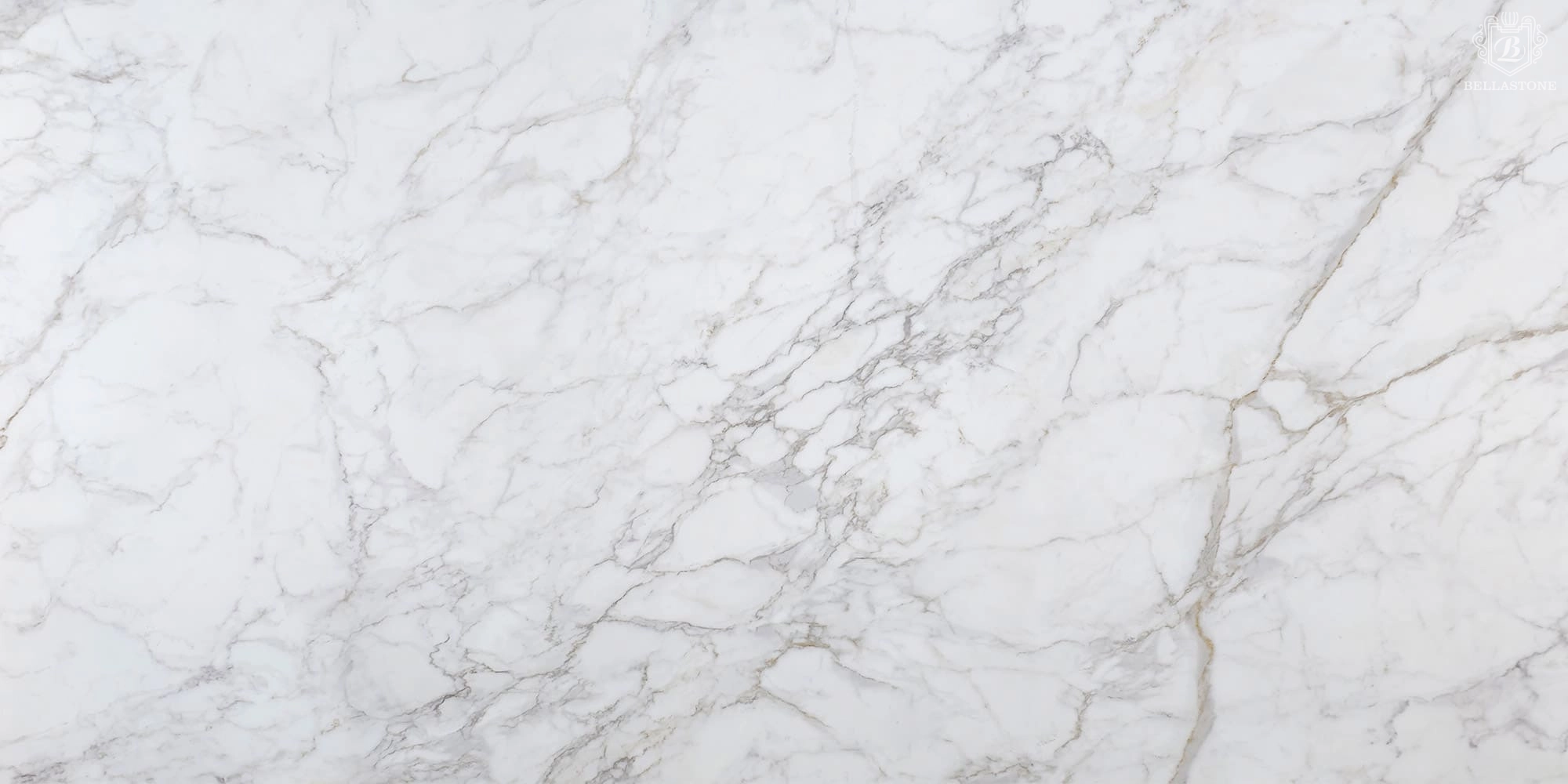


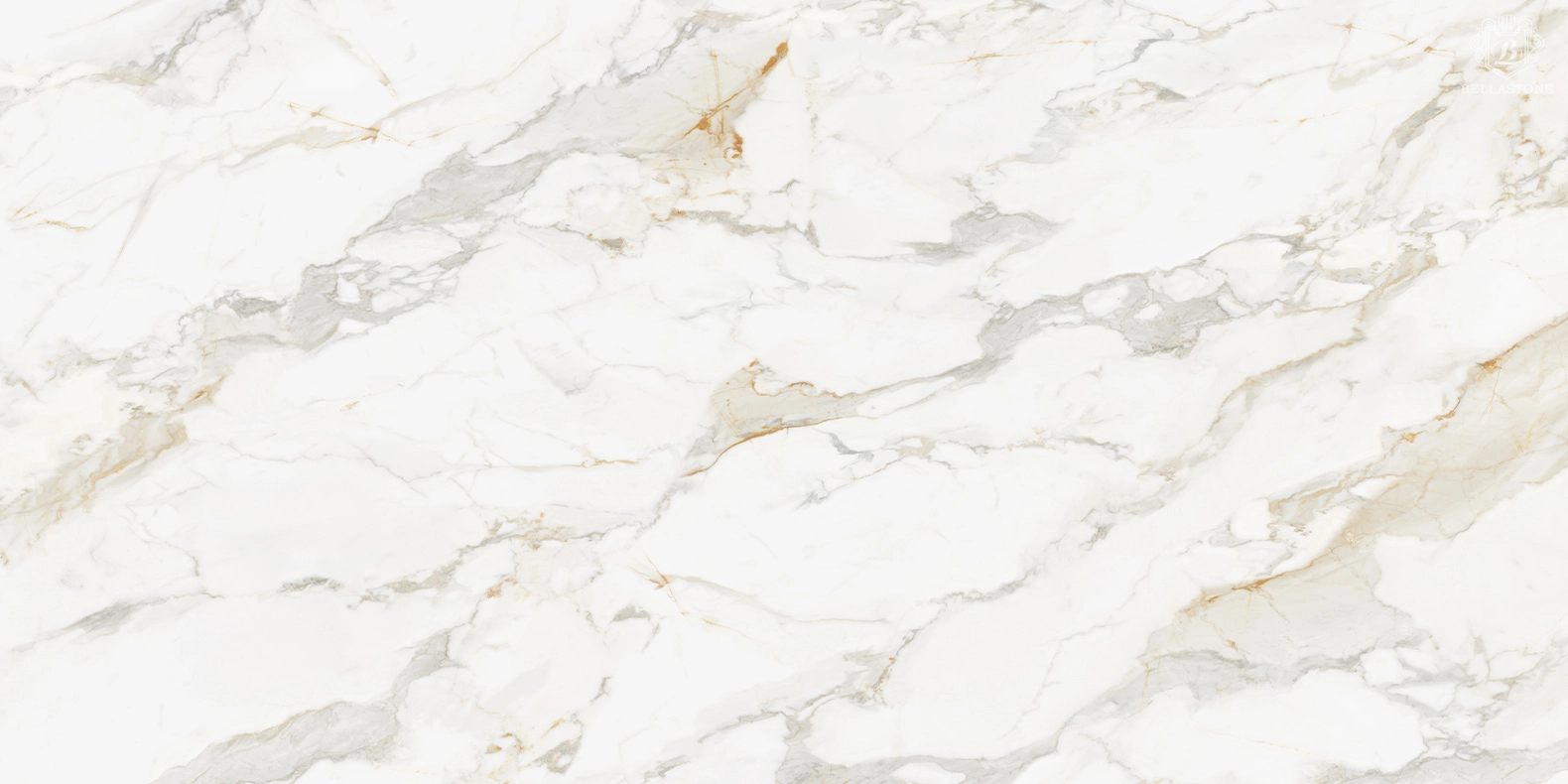
Whether you're exploring design trends or planning your next build, our team is here to support with product advice, pricing, and tailored solutions.
Rest assured that your privacy is important to us, and all information provided will be handled with the utmost confidentiality.
By clicking "Send Inquiry Now", I agree to your processing my personal data.
To see how to withdraw your consent, how to control your personal data, and how we process it, please see our Privacy Policy and Terms of Use.
Bellastone, Premium Quartz Manufacturer & Exporter
© 2026 BELLASTONE. All Rights Reserved. | Privacy Policy | Terms and Conditions | Sitemap
Facebook
Linkedin
YouTube