



2026 Calacatta Quartz Global Project & Wholesale Guide: Technical Specifications, Jumbo Sizing, and Supply Chain Optimization
Master 2026 surfacing with our Calacatta Quartz guide. Explore jumbo slab strategies, direct import ROI, and low-silica compliance for large-scale projects. Essential for architects and developers.
- Introduction
- Understanding the Material Science: Why Calacatta Quartz Dominates 2026 Specifications
- Quartz vs Granite: A Performance and ROI Analysis for Large-Scale Developments
- The Engineering of Aesthetics: Navigating Popular Patterns like Calacatta Gold and Calacatta Laza
- Jumbo and Super Jumbo Slabs: Strategic Sizing to Eliminate Seams
- Technical Performance Metrics: ASTM Standards and High-Traffic Durability
- Beyond Kitchens: The Rise of Quartz Shower Walls and Commercial Vanity Solutions
- Cost Optimization: Wholesale Pricing Models and the True Quartz Countertop Cost
- Fabrication Excellence: Digital Vein Matching for Seamless Calacatta Quartz Countertops
- This process involves:
- Future-Proofing for 2026: Low-Silica Compliance and Sustainability
- When sourcing, ensure your supplier provides:
- Strategic Supply Chain Management: Direct Importing and Logistics
- Conclusion
- FAQs
- What is the main difference between Calacatta and Carrara quartz?
- Is calacatta quartz heat resistant?
- How do I ensure color consistency across a 200-unit project?
- Can calacatta quartz be used for outdoor applications?
- What is the standard thickness for quartz countertops?
Introduction
In the 2026 architectural landscape, the selection of surface materials has evolved beyond mere aesthetics. As global construction projects move toward “Warmth & Wellness” and rigorous safety compliance, calacatta quartz has secured its position as the undisputed leader in high-performance surfacing. According to recent industry reports—and comparative benchmarks drawn from the Top 10 Calacatta Quartz Brands 2026—quartz now accounts for over 78% of new countertop installations, driven by its unmatched durability and the sophisticated evolution of marble-look engineering.
For the professional specifier, understanding the intersection of material science, slab logistics, and regulatory compliance is essential. This guide provides a deep dive into the strategic advantages of Calacatta-style surfaces for 2026 developments.
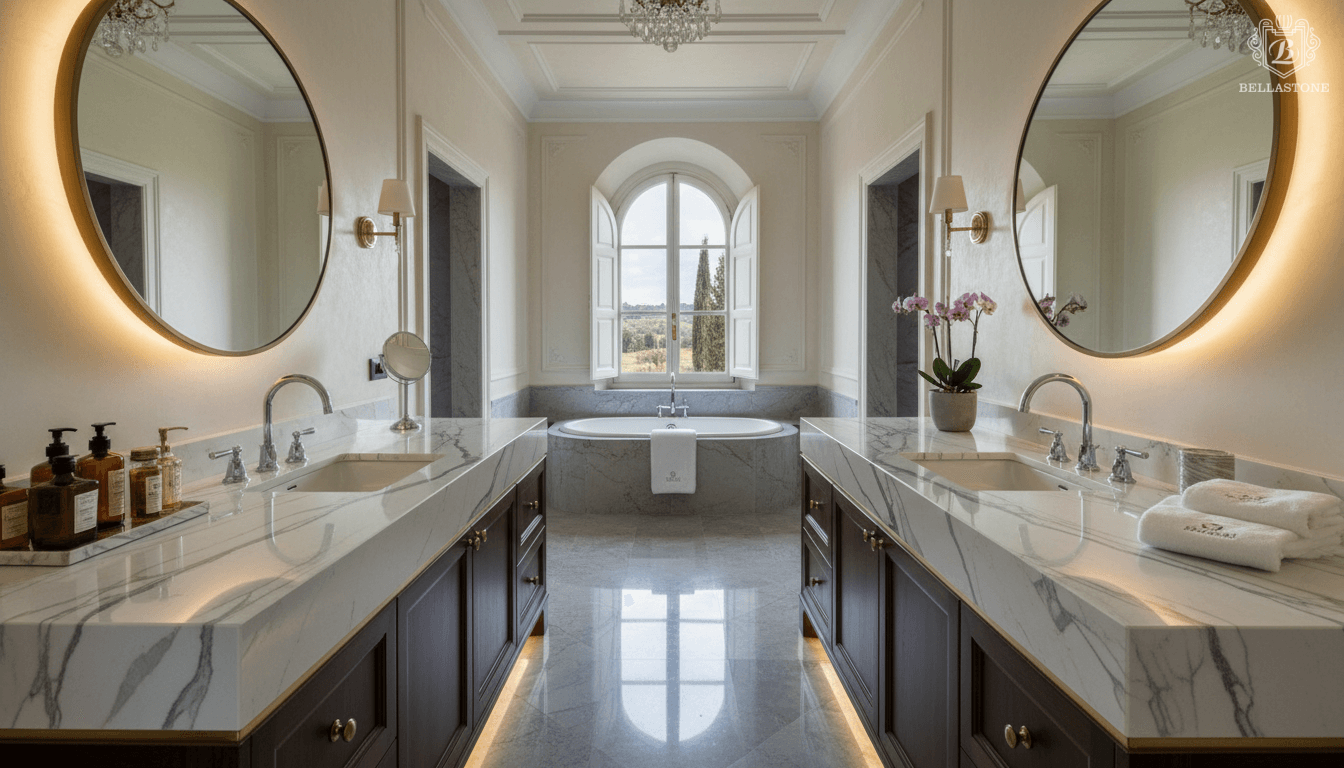
Understanding the Material Science: Why Calacatta Quartz Dominates 2026 Specifications
The dominance of calacatta quartz in the B2B sector is the result of advanced chemical engineering. Unlike natural stone, which relies on geological luck, engineered quartz is a composite of roughly high-purity natural quartz sand and high-performance polymer resins.
The 2026 manufacturing standard utilizes vacuum vibro-compaction technology, exerting over 100 tons of pressure to eliminate internal porosity. This creates a surface that is not only visually indistinguishable from rare Italian marble but technically superior in every measurable category, including scratch resistance and chemical density. For large-scale multi-family housing or hospitality projects, this engineering ensures that the "first-day beauty" of the installation remains intact through years of high-traffic use.
Quartz vs Granite: A Performance and ROI Analysis for Large-Scale Developments
When evaluating the long-term ROI of a project, the quartz vs granite debate is increasingly settled by maintenance costs and hygiene standards. Granite, while durable, is a porous igneous rock that requires periodic sealing to prevent bacterial growth and staining.
| Feature | Engineered Quartz (2026 Standard) | Natural Granite |
| Porosity | Non-porous (Water absorption ) | Porous (Requires sealing) |
| Hardness | 7 Mohs | 6-7 Mohs |
| Consistency | Batch-controlled patterns | Naturally varied/Unpredictable |
| Maintenance | Low (Soap and water) | High (Specialized cleaners + Sealing) |
| Hygiene | NSF 51 Certified (Food safe) | Potential for bacterial harborage |
For developers, the lower lifecycle cost of quartz—combined with its resistance to the acids and oils common in hospitality environments—makes it the superior financial choice over granite.
The Engineering of Aesthetics: Navigating Popular Patterns like Calacatta Gold and Calacatta Laza
In 2026, the market has shifted from “flat” patterns to “3D depth” veining. Professional buyers prioritize specific “hero” patterns that offer the highest resale value and design versatility:
-
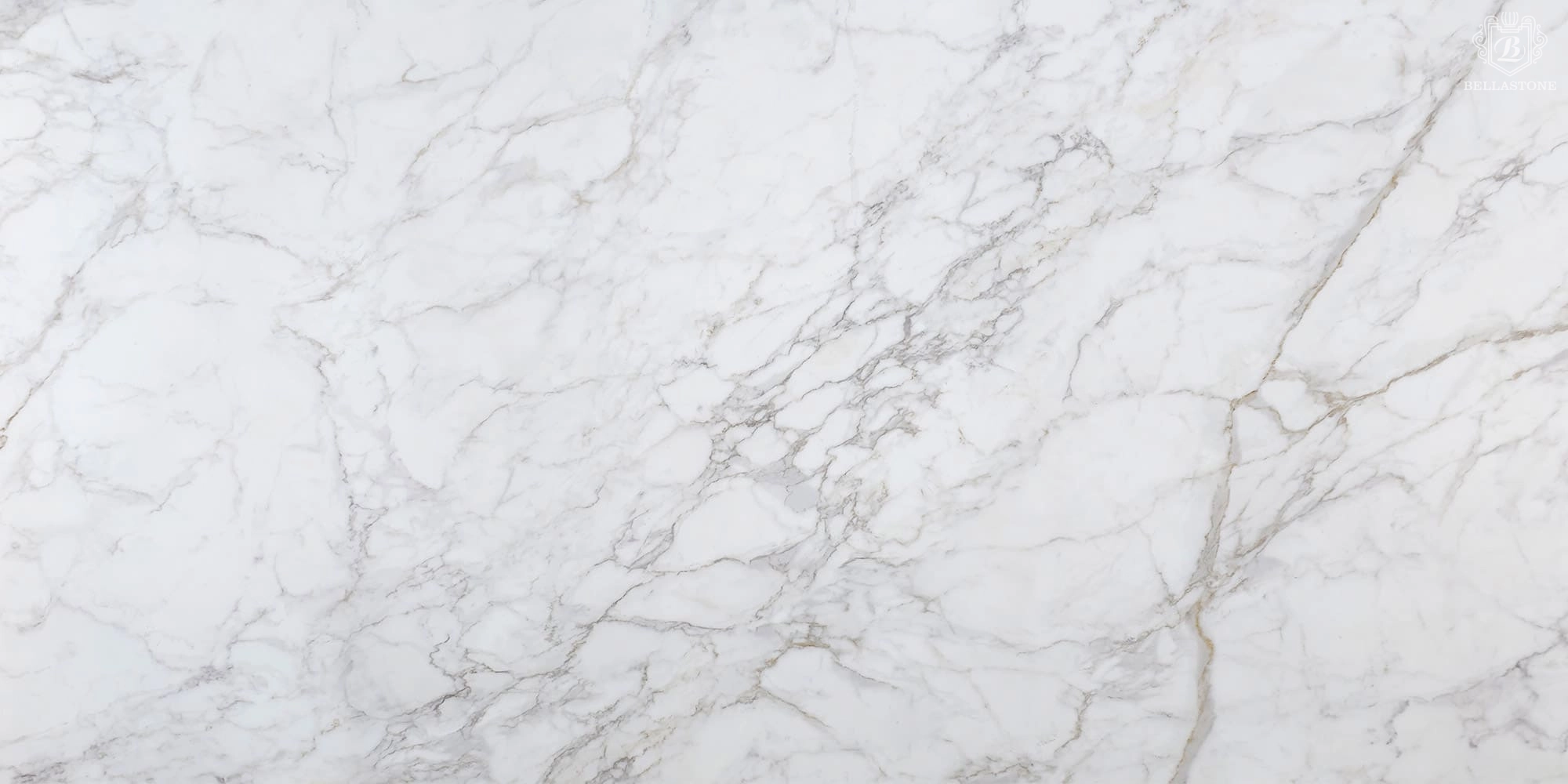
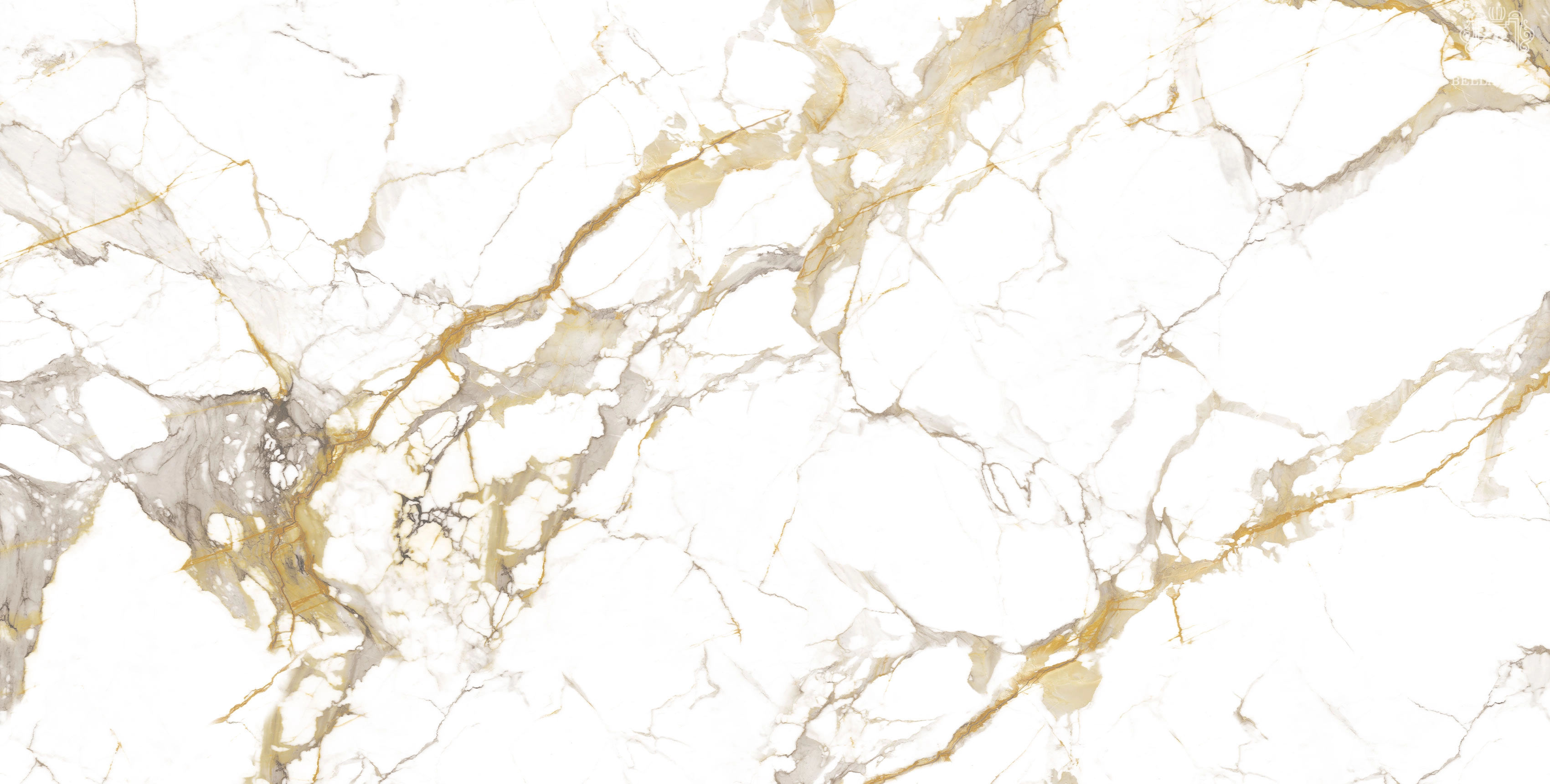
Calacatta Gold Quartz
Characterized by a crisp white backdrop with sweeping veins of honey-gold and light gray. Calacatta gold quartz is currently the #1 specified luxury pattern, frequently used to complement warm wood cabinetry (oak, walnut) and brushed brass hardware. -
Calacatta Laza Quartz
Known for its bold, wide veins that mimic the natural flow of magma. Calacatta laza quartz offers high drama, making it the preferred choice for waterfall islands and feature walls in luxury penthouses. -
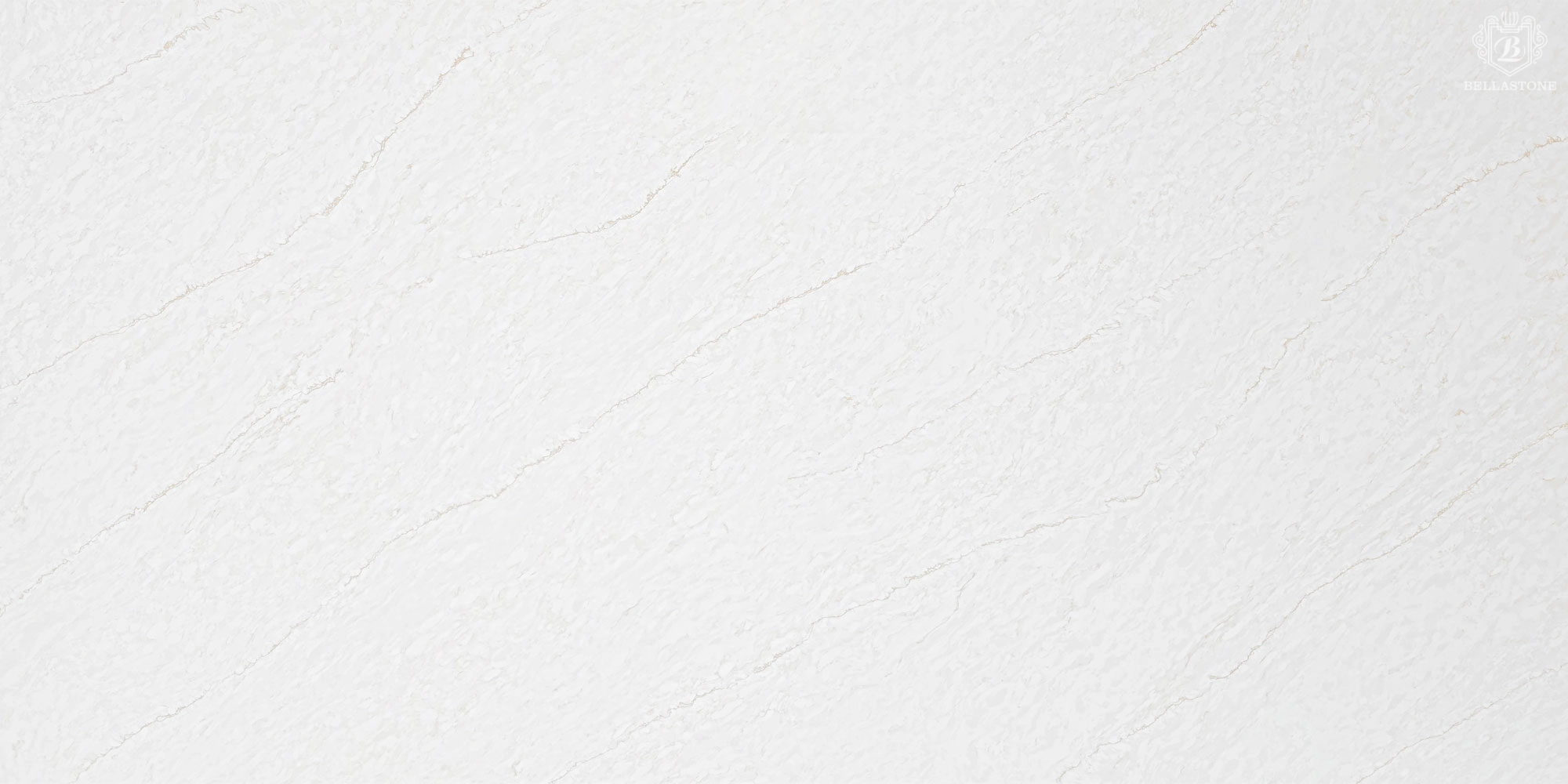
Gray Quartz Countertops
For minimalist corporate environments or “Industrial Cozy” designs, gray quartz countertops with subtle white veining provide a neutral yet sophisticated foundation that hides fingerprints and daily wear more effectively than pure white surfaces.
Jumbo and Super Jumbo Slabs: Strategic Sizing to Eliminate Seams
In high-volume procurement, slab size is not just a dimension; it is a cost-saving strategy. The 2026 trend toward 10-foot kitchen islands has made Jumbo and Super Jumbo sizing the industry standard.
-
Standard Slab: ()
-
Jumbo Slab: ()
-
Super Jumbo: ()
Utilizing Super Jumbo slabs for a large island allows for a seamless, single-piece installation. This eliminates the labor costs of seaming and the aesthetic risk of mismatched veins. Strategically, ordering Jumbo sizes for multi-unit developments can reduce material waste by up to , as the larger surface area allows for more efficient "nesting" of vanity tops and backsplashes.
Technical Performance Metrics: ASTM Standards and High-Traffic Durability
Professional specifications require verifiable data. For calacatta quartz countertops, the following technical benchmarks are the gold standard for 2026:
-
Flexural Strength (ASTM D790): . This allows for longer unsupported overhangs on breakfast bars compared to natural stone.
-
Compressive Strength (ASTM C170): , ensuring the material can withstand the weight of heavy commercial appliances.
-
Stain Resistance (NEMA LD-3): No effect from 24-hour exposure to common reagents like coffee, wine, and household acids.
-
Fire Rating (ASTM E84): Class A, critical for meeting building codes in commercial high-rises.
Beyond Kitchens: The Rise of Quartz Shower Walls and Commercial Vanity Solutions
The application of quartz has expanded beyond the kitchen. In 2026, quartz shower walls have become a standard upgrade in the hospitality sector. Because the material is non-porous and available in large formats, it eliminates grout lines—the primary failure point for moisture and mold in commercial bathrooms.
Furthermore, the demand for quartz vanity tops in multi-family developments is surging. By sourcing calacatta quartz for both kitchens and baths, developers can maintain a cohesive design language throughout the unit while benefiting from bulk-purchase pricing. The durability of quartz vanity tops ensures that even in rental environments, the bathrooms remain "tenant-proof" against moisture and chemical exposure from toiletries.
Cost Optimization: Wholesale Pricing Models and the True Quartz Countertop Cost
Navigating the quartz countertop cost requires a distinction between retail and direct-import wholesale models.
-
Retail/Installed Cost: Typically ranges from to per square foot.
-
Direct Wholesale Slab Cost: For volume purchasers, raw slab prices can drop to per square foot.
By moving to a direct-import model, a large-scale developer can save seven figures on a 500-unit project. This "Direct Importer" strategy eliminates middleman markups and ensures that the calacatta gold quartz countertop specified in the rendering is the exact material delivered to the site, maintaining quality control across the entire project timeline.
Fabrication Excellence: Digital Vein Matching for Seamless Calacatta Quartz Countertops
The complexity of calacatta quartz countertops lies in the vein transition. In 2026, top-tier fabricators utilize "Slabsmith" or "StoneVision" digital templating.
This process involves:
-
High-Resolution Scanning: Each slab is scanned to record its unique vein coordinates.
-
Digital Nesting: The project blueprints are overlaid on the digital slab.
-
Vein Alignment: For a calacatta gold quartz countertop with a waterfall edge, the software ensures that the gold vein flows perfectly from the horizontal surface down the vertical gable.
This level of precision is mandatory for high-end B2B projects where "seamless" isn't just a buzzword—it's a contractual requirement.
Future-Proofing for 2026: Low-Silica Compliance and Sustainability
The most significant shift in the 2026 market is the transition to Low-Silica or Zero-Silica quartz. To comply with updated safety regulations in the US, Australia, and Europe, manufacturers are now using recycled glass and mineral-based binders to reduce respirable crystalline silica content to below .
When sourcing, ensure your supplier provides:
-
GREENGUARD Gold Certification: For low VOC emissions and indoor air quality.
-
EPD (Environmental Product Declaration): Documenting the material's life-cycle impact.
-
NSF/ANSI 51: Confirming the surface is safe for food contact in commercial kitchens.
Strategic Supply Chain Management: Direct Importing and Logistics
Logistics optimization is the final piece of the wholesale puzzle. For a 20-foot container, a standard load consists of:
-
2 cm Slabs: pieces (approx. )
-
3 cm Slabs: pieces (approx. )
Smart buyers optimize for the "Landed Cost" by ensuring containers are loaded to the maximum weight limit (typically at ports). Choosing a supplier with "A-Grade" only standards—ensuring no defects over of the surface—is critical to preventing costly re-fabrication delays on-site.
Conclusion
As we look toward 2026 and beyond, calacatta quartz remains the most strategic choice for the global construction industry. Its ability to combine the timeless luxury of marble with the rigorous performance requirements of modern building codes makes it an unparalleled asset for developers and architects alike. By focusing on Jumbo sizing, Low-Silica compliance, and direct-import supply chains, professionals can deliver high-aesthetic projects that are both profitable and sustainable. For a broader, material-level comparison and deeper insight into long-term specification strategy, explore our Ultimate 2026 Guide to Engineered Stone.
FAQs
What is the main difference between Calacatta and Carrara quartz?
Calacatta quartz features bolder, more dramatic veining on a brighter white background, whereas Carrara is characterized by softer, finer, and more uniform gray veins. Calacatta is generally positioned as a more “luxury” or statement-making option.
Is calacatta quartz heat resistant?
While quartz can withstand moderate heat (up to 150∘C or 300∘F), it is not “heat-proof.” The resin binder can suffer from thermal shock if hot pots are placed directly on the surface. We always recommend using trivets in commercial and residential kitchens.
How do I ensure color consistency across a 200-unit project?
To ensure consistency, always specify that all slabs must come from the same production batch. Direct importers should provide batch-tracking reports and high-resolution photos of the actual bundles before they leave the factory.
Can calacatta quartz be used for outdoor applications?
Standard quartz is UV-sensitive; prolonged exposure to direct sunlight can cause the resin to yellow or fade. For outdoor kitchens, you must specify “UV-Stable” quartz lines specifically engineered for exterior use.
What is the standard thickness for quartz countertops?
2 cm (43") and 3 cm (141") are the industry standards. 2 cm is frequently used for quartz vanity tops and wall cladding to save weight, while 3 cm is the preferred choice for premium kitchen islands and high-traffic bar tops.


FAQ
Can it be made into a finished product?
Yes, we support customization and installation.
What scenarios is it applicable to?
Kitchen countertops and island tops, bathroom vanity tops, wall decorations and feature walls, commercial interior design, restaurants and public buildings, residential renovation projects.
What is the minimum order quantity?
Minimum order quantity: 30 pieces.
Care & Maintenace
Can I cut food directly on the quartz surface?
While the surface is scratch-resistant, we recommend using a cutting board to protect both the quartz and your knives.
Printed Artificial Quartz Stone
How does printed quartz compare to natural marble?
Printed quartz offers better consistency, lower maintenance, and higher resistance to stains and scratches, while delivering a similar visual effect.


Whether you're exploring design trends or planning your next build, our team is here to support with product advice, pricing, and tailored solutions.
Rest assured that your privacy is important to us, and all information provided will be handled with the utmost confidentiality.
By clicking "Send Inquiry Now", I agree to your processing my personal data.
To see how to withdraw your consent, how to control your personal data, and how we process it, please see our Privacy Policy and Terms of Use.
Bellastone, Premium Quartz Manufacturer & Exporter
© 2025 BELLASTONE. All Rights Reserved. | Privacy Policy | Terms and Conditions | Sitemap
Facebook
Linkedin
YouTube