



Ultimate 2026 Guide to Engineered Stone: Benefits, Costs & Care
A comprehensive, authoritative guide to engineered stone in 2026. This article covers technical composition, definitive comparisons with natural stone, vital safety regulations regarding silica, cost analysis, and maintenance best practices for homeowners.
- Introduction
- What Exactly is Engineered Stone?
- Composition and Manufacturing
- Engineered Stone vs. Natural Stone: A Head-to-Head Comparison
- 1. Composition & Appearance
- 2. Durability & Porosity
- 3. Heat Resistance
- 4. Comparison Summary
- Engineered Stone vs. Quartz: Clarifying the Connection
- The Undeniable Benefits of Choosing Engineered Stone
- Potential Drawbacks and Safety Considerations
- Heat Sensitivity
- UV Instability
- The Silica Conversation (E-E-A-T Critical)
- Top Engineered Stone Brands and Unique Offerings
- Versatile Applications: Where Engineered Stone Shines
- The Environmental Footprint and Sustainability
- What to Expect During Installation
- Caring for Your Engineered Stone: Maintenance Best Practices
- Engineered Stone Cost Guide: 2026 Market Outlook
- Common Myths Debunked
- Frequently Asked Questions
- What is the primary difference between engineered stone and natural stone?
- Is engineered quartz the same as engineered stone?
- Does engineered stone require sealing?
- Can engineered stone be used outdoors?
- How do I clean engineered stone countertops?
- Is engineered stone heat resistant?
- What are the typical costs for engineered stone in 2026?
- What should I look for when choosing an engineered stone brand?
- References
Introduction
In the evolving landscape of modern architecture and interior design, engineered stone has established itself as a premier surface material. Once seen merely as an alternative to granite or marble, it is now the gold standard for homeowners seeking a balance of aesthetic precision and functional resilience. By 2026, the industry has undergone significant transformation, particularly with the introduction of stricter safety regulations and the rise of sustainable, low-silica formulations.
Whether you are renovating a kitchen, designing a commercial space, or selecting engineered stone vanity tops, understanding the nuances of this material is essential. This guide provides a deep dive into engineered stone countertops, distinguishing facts from marketing noise to help you make an informed investment.
What Exactly is Engineered Stone?
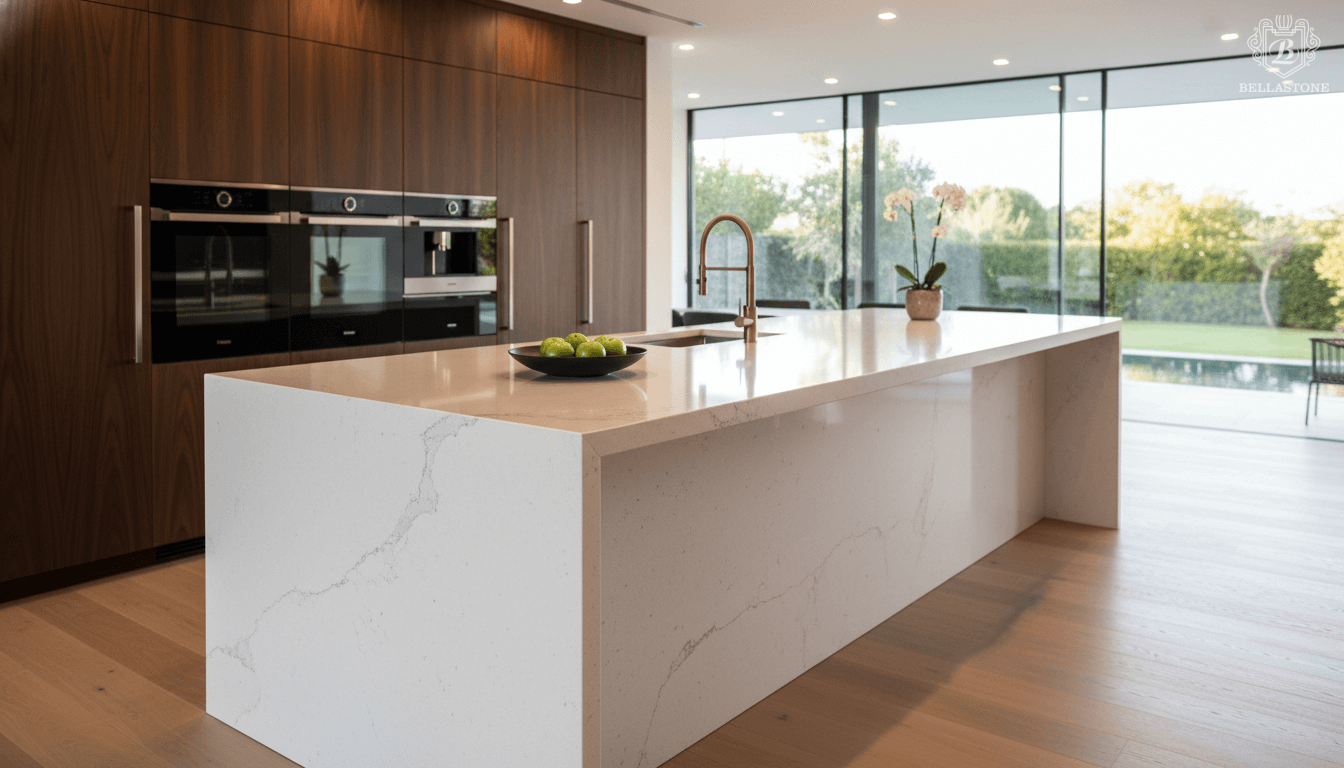
Engineered stone, often referred to as reconstituted stone, is a composite material engineered to overcome the inherent inconsistencies of natural stone. Unlike natural slabs quarried directly from the earth, engineered stone is manufactured through a precise industrial process.
Composition and Manufacturing
The industry standard, originally developed using Bretonstone technology, typically involves a mixture of approximately 90-95% crushed natural stone aggregates (predominantly quartz) and 5-10% polymer resins, pigments, and binding agents.
The manufacturing process utilizes a vibrocompression vacuum process. This technique compresses the mixture under extreme pressure and vibration in a vacuum environment to remove all air pockets. The result is a high-density, quartz engineered stone slab that is non-porous and structurally uniform.
Note on Terminology: While frequently used interchangeably, composite stone countertops and engineered stone refer to the same category of aggregate-resin materials.
Engineered Stone vs. Natural Stone: A Head-to-Head Comparison
Understanding the distinction between man-made and natural surfaces is critical for selection.
1. Composition & Appearance
· Natural Stone (Granite/Marble): 100% natural. Every slab is unique, featuring random veining, mineral deposits, and color variations.
· Engineered Stone: Man-made uniformity. It offers predictable patterns and consistency across multiple slabs, which is ideal for large installations like engineered stone benchtops.
2. Durability & Porosity
· Natural Stone: Inherently porous. It requires regular sealing to prevent bacterial growth and staining from oils or acids (like lemon juice or wine).
· Engineered Stone: Non-porous. The resin binder creates a sealed surface that requires no artificial sealing, making it highly hygienic and resistant to deep stains.
3. Heat Resistance
· Natural Stone: Exceptional heat tolerance. Granite can withstand high temperatures without damage.
· Engineered Stone: Moderate heat resistance. As noted in technical data, the resin component can suffer from thermal shock or discoloration at temperatures exceeding 150°C (300°F).
4. Comparison Summary
|
Feature |
Natural Stone |
Engineered Stone |
|
Porosity |
High (Needs Sealing) |
Zero (No Sealing) |
|
UV Resistance |
High |
Low (Can Fade) |
|
Heat Limit |
> 400°F |
~300°F |
|
Maintenance |
High |
Low |
Engineered Stone vs. Quartz: Clarifying the Connection
A common source of confusion for consumers is the term engineered stone vs quartz. To be precise: Engineered quartz is a specific type of engineered stone.
While the broader category of engineered stone can technically include composites made from marble (engineered marble) or glass, the market is dominated by quartz-based aggregates due to their superior hardness (7 on the Mohs scale). When you shop for engineered stone countertop options, you are almost exclusively looking at engineered quartz.
The Undeniable Benefits of Choosing Engineered Stone
· Hygienic Surface: Its non-porous nature inhibits the growth of mold, mildew, and bacteria, making it an excellent choice for engineered stone shower walls and food preparation areas.
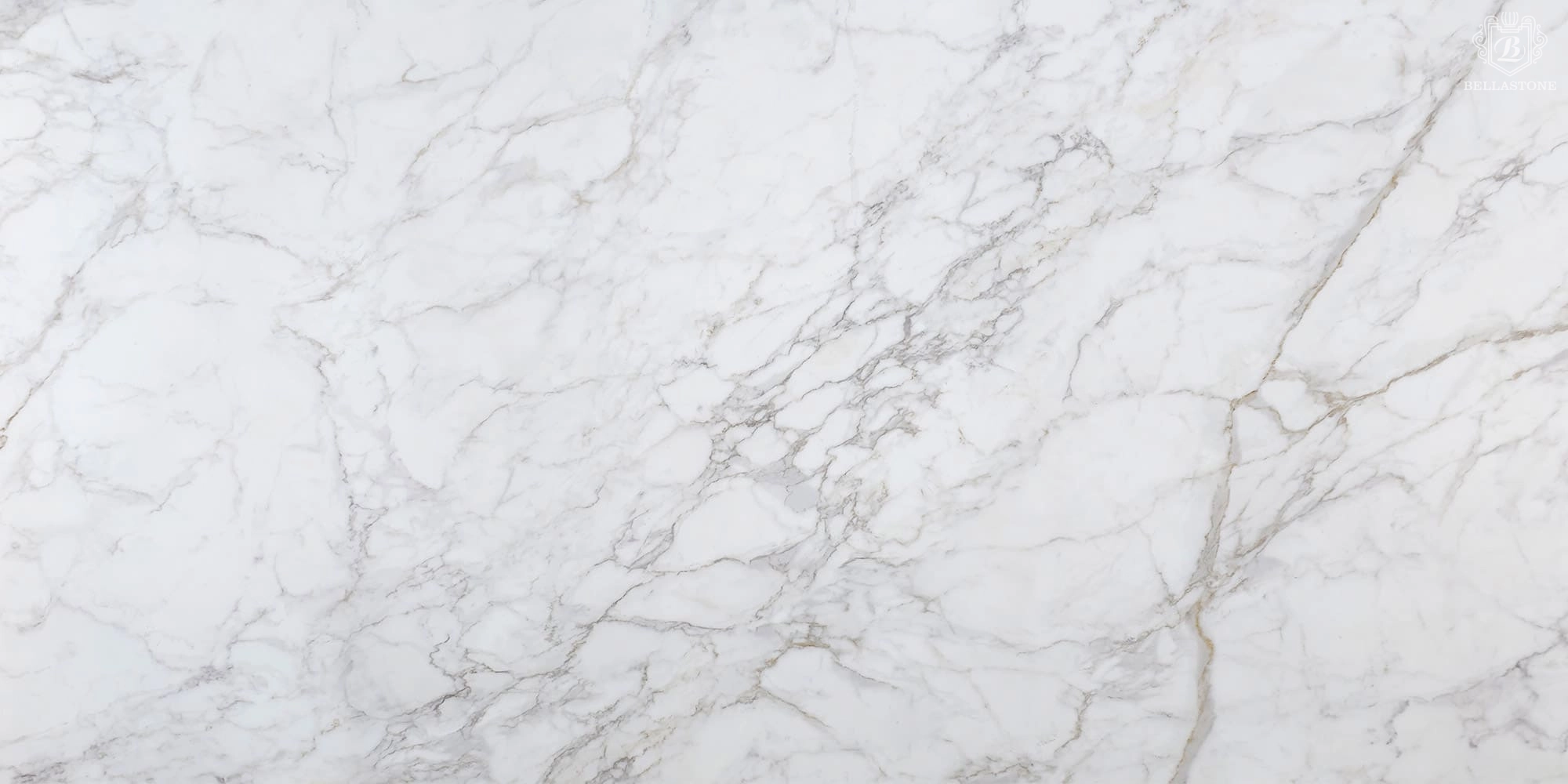
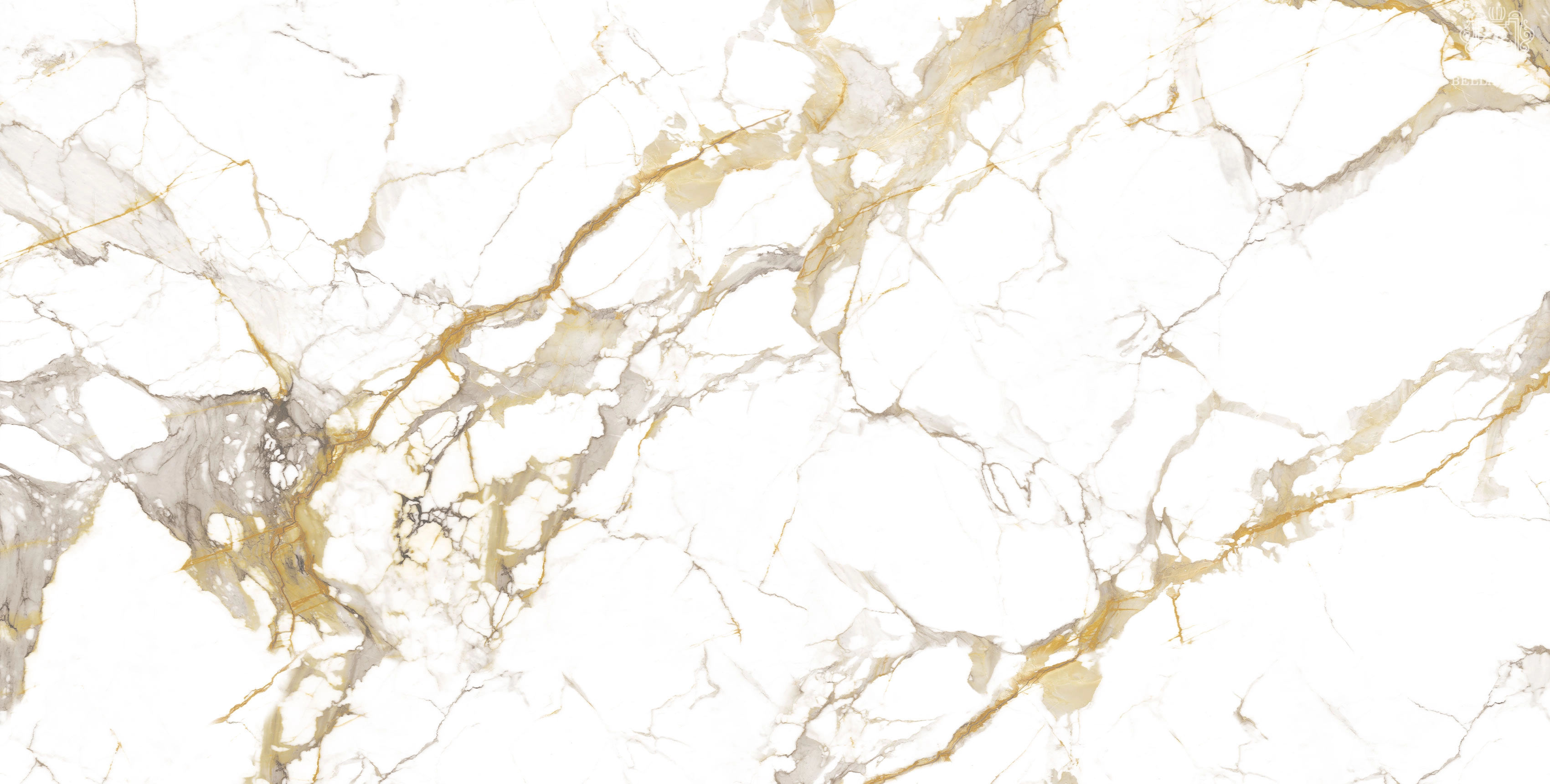
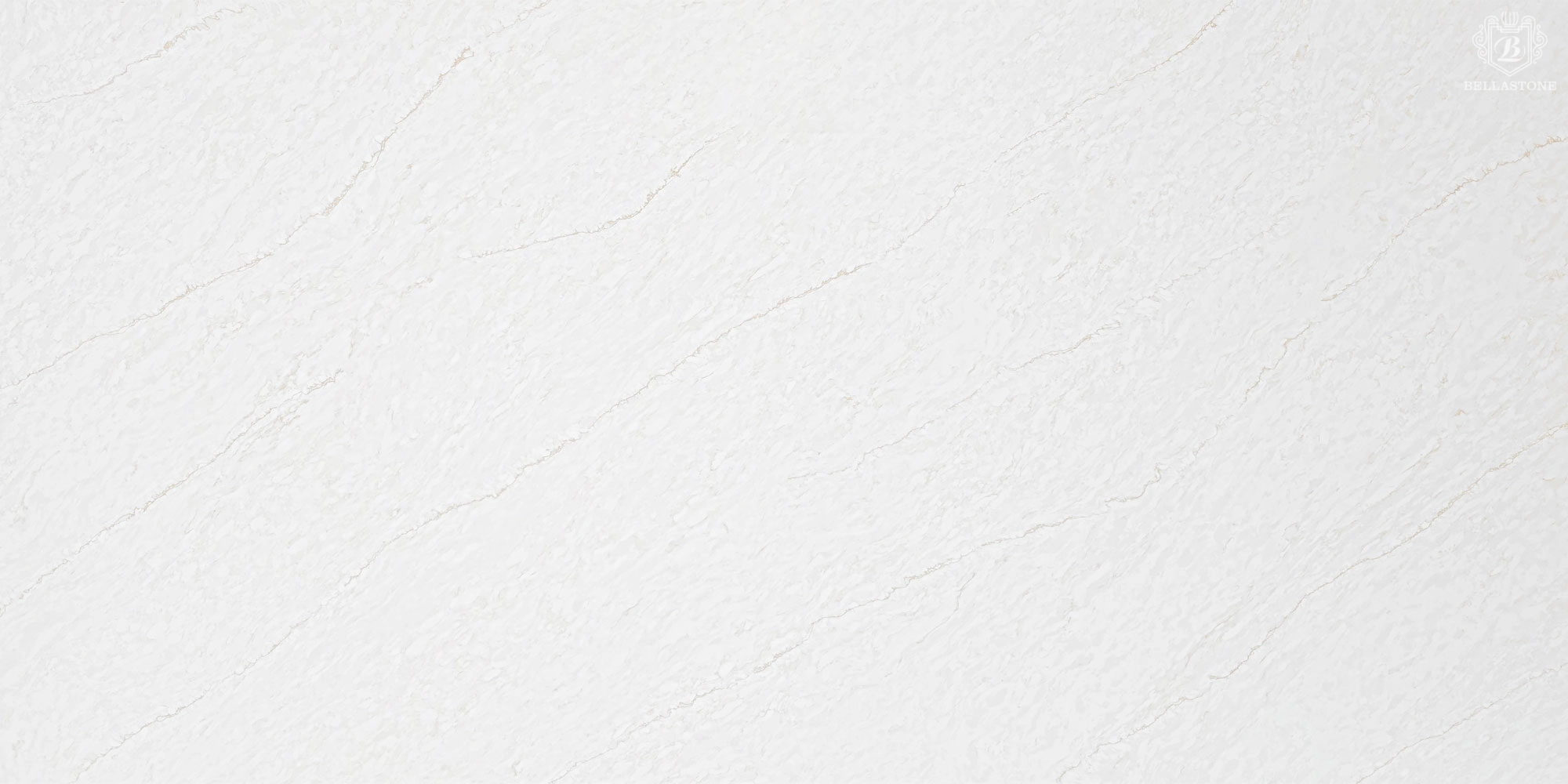
· Aesthetic Versatility: Manufacturers can replicate the look of Calacatta marble, industrial concrete, or absolute white minimalism with precision.
· Structural Integrity: The material is flexible enough to handle installation stresses better than brittle natural stone, reducing the risk of cracking during fabrication.
Potential Drawbacks and Safety Considerations
Heat Sensitivity
As mentioned, engineered stone is not heat-proof. Placing a hot pot directly from the stove onto the surface can cause "resin burn," leaving a permanent yellow or white ring. Trivets are mandatory.
UV Instability
Most engineered stones are not suitable for outdoor kitchens. Prolonged exposure to direct sunlight (UV rays) reacts with the polyester resins, causing the color to fade or yellow over time. For outdoor needs, sintered stone (like Dekton) is the better alternative.
The Silica Conversation (E-E-A-T Critical)
In recent years, the industry has faced scrutiny regarding crystalline silica. Cutting engineered stone releases silica dust, which is hazardous to fabricators if safety protocols are ignored.
· Regulations: As of 2024 and 2025, regions like Australia have implemented bans on high-silica engineered stone to protect workers from silicosis.
· The Shift: Leading brands are responding by reformulating products. In 2026, look for "Low-Silica" or "Mineral" labels, which use recycled glass or other minerals to reduce silica content below 40% or even 10%.
Top Engineered Stone Brands and Unique Offerings
· Caesarstone: A global pioneer known for introducing the concrete finish trend. They are heavily investing in sustainable, low-silica mineral surfaces.
· Silestone by Cosentino: Famous for their HybriQ+ technology, which uses 99% recycled water and 100% renewable energy in manufacturing, significantly reducing crystalline silica content.
· Cambria: A luxury American brand known for the most natural-looking flowing veins and high-gloss finishes. They often price at the premium end of the market.
· Dekton: While often grouped with engineered stone, this is technically a "sintered stone." It uses extreme heat and pressure (no resin) to create a surface that is completely heat and UV resistant, suitable for outdoor cladding.
Versatile Applications: Where Engineered Stone Shines
Beyond the kitchen, the material's waterproof qualities make it ideal for:
· Engineered Stone Vanity Tops: Withstands humidity and cosmetics spills.
· Engineered Stone Shower Walls: Eliminates grout lines found in tiling, reducing cleaning time and mold risk.
· Flooring & Cladding: Used in high-traffic commercial areas due to its resistance to abrasion.
The Environmental Footprint and Sustainability
Sustainability in 2026 is about more than just durability.
· Recycled Content: Many slabs now contain recycled glass, porcelain, and mirrors.
· Certifications: Always check for Greenguard Gold (for low chemical emissions) and NSF (for food safety) certifications.
· Lifecycle: While difficult to recycle at the end of its life, the material's longevity (often 20+ years) offsets its initial carbon footprint compared to laminates that require frequent replacement.
What to Expect During Installation
1. Templating: Laser technology is used to create a digital template of your cabinets.
2. Fabrication: Slabs are cut off-site using water jets to ensure safety and precision.
3. Installation: Professional installers will place the heavy slabs, leveling them on the cabinets.
4. Seaming: If your counter runs longer than the slab size (usually ~120 inches), a seam is required. Installers use color-matched epoxy to make this seam as invisible as possible, though it will never be truly invisible.
Caring for Your Engineered Stone: Maintenance Best Practices
· Routine Cleaning: Warm water and a mild detergent are sufficient.
· Chemicals to Avoid: Never use high-pH cleaners (like oven cleaner or bleach) or paint strippers. These can disintegrate the resin bond.
· Stain Removal: For stubborn gum or dried food, gently scrape with a plastic putty knife. For ink or markers, a small amount of rubbing alcohol can be effective if wiped away immediately.
Engineered Stone Cost Guide: 2026 Market Outlook
Prices for engineered stone have stabilized but remain in the mid-to-high tier category.
· Standard Colors: $60 – $80 per square foot (installed).
· Premium/Natural Looks: $90 – $150+ per square foot.
· Factors: Prices are influenced by the complexity of installation (number of cutouts), edge profiles (waterfall edges cost significantly more), and the specific brand's technology (low-silica formulations may carry a premium).
Common Myths Debunked
· Myth: "Engineered stone is fake plastic."
o Fact: It is roughly 93% natural rock; the resin is merely the binder.
· Myth: "It is indistinguishable from granite."
o Fact: While close, engineered stone lacks the natural crystalline depth and "imperfections" of granite, which some purists prefer.
· Myth: "It is completely heat proof."
o Fact: It is heat resistant, but thermal shock from a hot Dutch oven can crack it.
Frequently Asked Questions
What is the primary difference between engineered stone and natural stone?
Engineered stone is a man-made composite consisting of approximately 90-95% natural quartz aggregates bound with polymer resin, offering a non-porous and uniform surface. Natural stone, such as granite or marble, is quarried directly from the earth, resulting in unique, random patterns and a porous surface that requires regular sealing.
Is engineered quartz the same as engineered stone?
Yes, for the most part. Engineered quartz is the most common type of engineered stone. The term "engineered stone" is the broader category that technically includes other aggregate composites (like marble-based conglomerates), but in the countertop market, they are virtually synonymous.
Does engineered stone require sealing?
No. One of the main advantages of engineered stone is that the resin binder seals the crushed stone during the manufacturing process. This creates a permanently non-porous surface that never requires chemical sealing, unlike granite or marble.
Can engineered stone be used outdoors?
Generally, no. Standard engineered stone contains polyester resins that react to UV radiation (sunlight), leading to discoloration and yellowing over time. For outdoor applications, you should look for UV-stable materials like sintered stone (e.g., Dekton) or natural granite.
How do I clean engineered stone countertops?
For daily maintenance, use a soft cloth or sponge with warm water and a mild, pH-neutral soap. Avoid using abrasive scouring pads, harsh chemicals like bleach, or high-alkaline cleaners, as these can dull the surface polish or damage the resin.
Is engineered stone heat resistant?
It is heat resistant up to a point (typically around 300°F or 150°C), but it is not heat-proof. Sudden, extreme heat from a hot pan can cause "thermal shock," leading to cracks or resin discoloration. Always use a trivet or hot pad.
What are the typical costs for engineered stone in 2026?
In 2026, engineered stone typically costs between $60 and $150 per square foot, including installation. The price varies based on the brand, the complexity of the design (e.g., marble-look veining), slab thickness, and local labor rates.
What should I look for when choosing an engineered stone brand?
Prioritize brands that offer a strong warranty (15 years to lifetime), hold environmental certifications like Greenguard Gold, and transparently disclose their silica content. Brands like Silestone and Caesarstone are leaders in offering low-silica options for better safety and sustainability.
References
· Wikipedia: Engineered Stone - Definition and Composition
· Wikipedia: Bretonstone - Manufacturing Process
· California Dept of Industrial Relations: Silica Safety Regulations & Emergency Standards
· Safe Work Australia: Ban on Engineered Stone
· Use Natural Stone: Heat Resistance Comparisons
· The Granite Empire: Heat Limit Technical Data (150°F/65°C - 300°F)


Care & Maintenace
Do I need to seal Bellastone quartz?
No sealing is required. Quartz surfaces are non-porous, making them resistant to stains, moisture, and bacteria by design.
Can I cut food directly on the quartz surface?
While the surface is scratch-resistant, we recommend using a cutting board to protect both the quartz and your knives.
Printed Artificial Quartz Stone
Is it suitable for commercial projects?
Absolutely. Its uniform appearance, durability, and scalability make it ideal for hotels, offices, retail, and large construction projects.
How does printed quartz compare to natural marble?
Printed quartz offers better consistency, lower maintenance, and higher resistance to stains and scratches, while delivering a similar visual effect.
FAQ
Which is more expensive, artificial quartz stone or natural stone?
If we only consider the purchase price per square meter, artificial quartz stone is usually more expensive than ordinary granite but cheaper than top-grade marble. However, considering the total cost over the long term, the cost-effectiveness of durable artificial quartz stone that requires no maintenance may be higher; whereas marble, which requires regular professional maintenance, may be more expensive in terms of long-term total expenditure.


Whether you're exploring design trends or planning your next build, our team is here to support with product advice, pricing, and tailored solutions.
Rest assured that your privacy is important to us, and all information provided will be handled with the utmost confidentiality.
By clicking "Send Inquiry Now", I agree to your processing my personal data.
To see how to withdraw your consent, how to control your personal data, and how we process it, please see our Privacy Policy and Terms of Use.
Bellastone, Premium Quartz Manufacturer & Exporter
© 2025 BELLASTONE. All Rights Reserved. | Privacy Policy | Terms and Conditions | Sitemap
Facebook
Linkedin
YouTube