



The Ultimate Guide to Engineered Stone Countertops 2026
Shop Bellastone engineered stone countertops in 2026—durable, stylish quartz surfaces perfect for every space.
- Introduction: Discover the Revolution in Surface Design
- What Are Engineered Stone Countertops? Unpacking Their Composition
- Why Choose Engineered Stone: Unrivaled Benefits for Your Home
- Exceptional Durability and Longevity
- Low Maintenance
- Hygienic Properties
- Aesthetic Versatility and Consistency
- Popular Types of Engineered Stone Countertops
- Quartz Countertops
- Other Variations
- Engineered Stone vs. Natural Stone: A Head-to-Head Comparison
- Choosing the Right Engineered Stone Countertops for Your Space
- Color and Pattern Selection
- Finish Options
- Budget Planning
- Installation and Longevity: What to Expect
- Professional Installation
- Lifespan
- Caring for Your Engineered Stone Countertops: Maintenance Tips
- Daily Cleaning
- Stain Removal
- What to Avoid
- Potential Considerations and Drawbacks
- The Smart Investment: Engineered Stone Countertops for Long-Term Value
- Conclusion
- Frequently Asked Questions
- What is engineered stone made of?
- Are engineered stone countertops durable?
- How does engineered stone compare to natural stone like granite or marble?
- Is engineered stone heat resistant?
- How do I clean engineered stone countertops?
- Does engineered stone stain easily?
- What are the different types of engineered stone?
- Is engineered stone expensive?
Introduction: Discover the Revolution in Surface Design
Few materials have had as much of an impact on interior design and home renovation as engineered stone countertops. They used to be seen as just another option besides natural stone, but now they're all the rage. People love them because they're strong, you can use them in any way you like, and they look amazing.
Homeowners and designers are increasingly choosing engineered stone not just for its beauty, but also for the lifestyle benefits it offers. It's a cool combination of natural materials and cutting-edge design, resulting in a surface that can withstand daily use and elevate your kitchen or bathroom from good to great. Whether you're renovating a busy family kitchen or designing a relaxing master bathroom, understanding the details of engineered stone is key to making an informed investment.
What Are Engineered Stone Countertops? Unpacking Their Composition
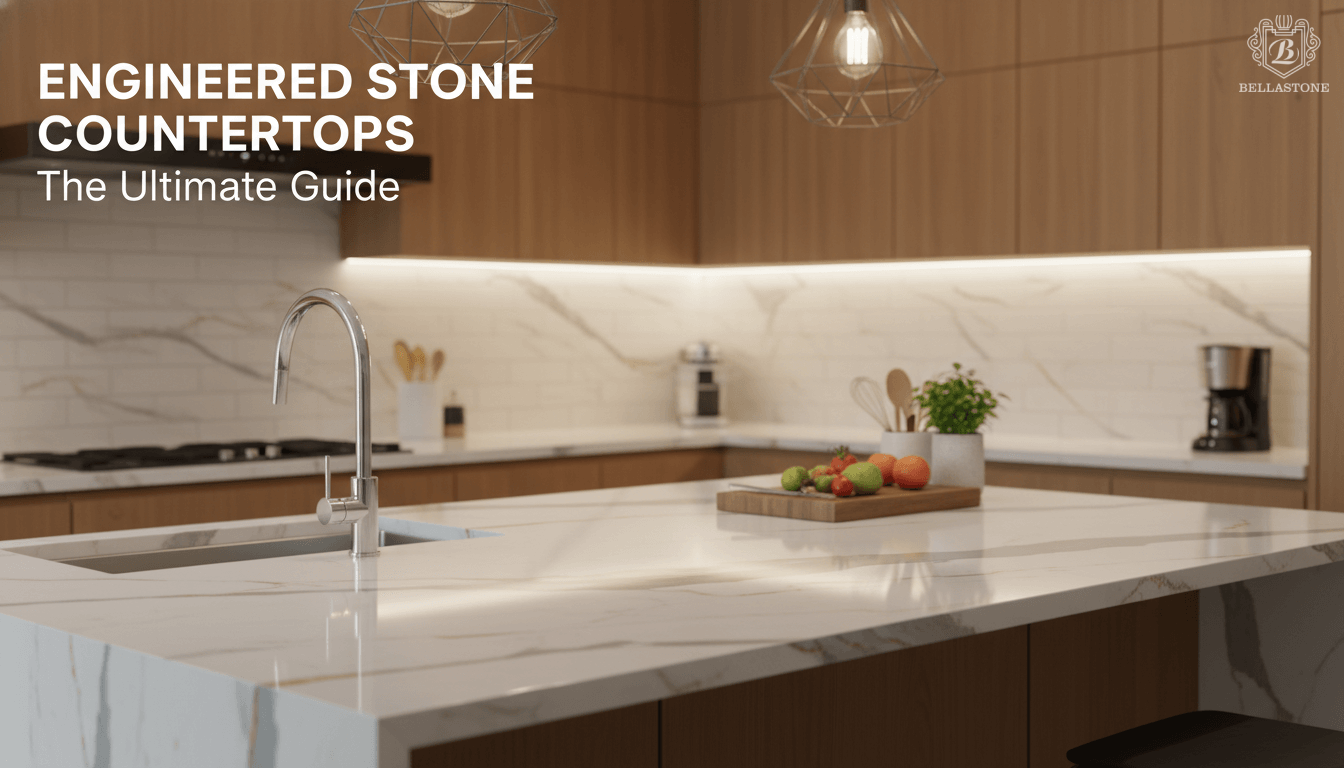
To appreciate the value of this material, you first have to understand what it is. Engineered stone countertops are made of composite materials, and they're designed to outperform natural stone in specific areas while looking just like it.
These countertops are usually made of crushed natural stone, usually quartz. You might not know that high-quality engineered stone is mostly crushed quartz crystals. It's usually 90% to 95% quartz. We mix this with high-quality polymer resins, which act as a binder, and pigments to get the specific colors and patterns we want.
The manufacturing process is a marvel of industrial engineering. First, we mix the raw materials, and then we compress them using a process called vibro-compression under vacuum. This gets rid of air pockets and compacts the material into dense slabs. Then, we cure the slabs in kilns at high temperatures, which makes the surface incredibly hard, non-porous, and consistent in quality.
Why Choose Engineered Stone: Unrivaled Benefits for Your Home
The surge in popularity of engineered stone is not accidental; it is driven by a suite of unrivaled benefits that address the shortcomings of traditional materials.
Exceptional Durability and Longevity
Engineered stone is renowned for its toughness. The high quartz content makes it extremely hard—rating higher on the Mohs hardness scale than granite. This translates to exceptional resistance to chips, cracks, and scratches, making it ideal for busy households.
Low Maintenance
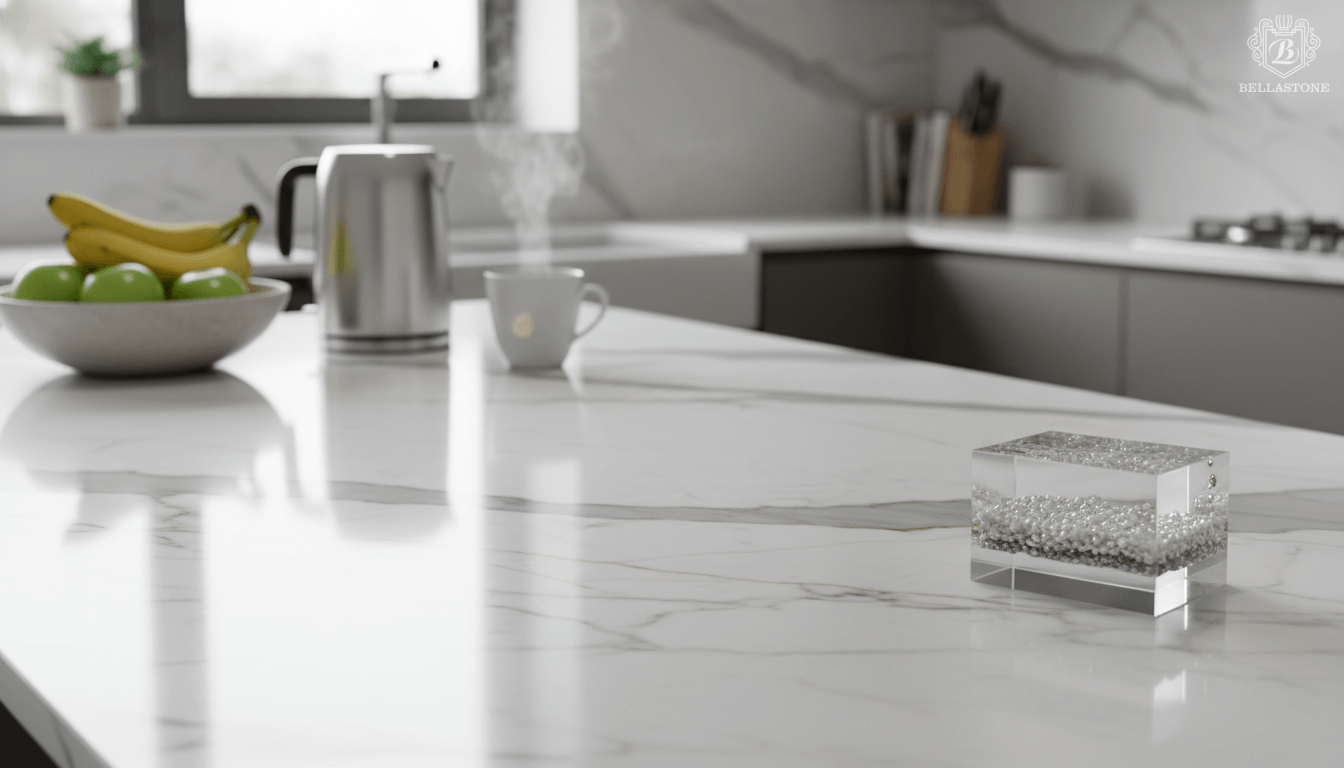
Unlike natural stone, which often requires annual sealing, engineered stone is non-porous. The resin binders seal the gaps between stone crystals during manufacturing. This means you never have to worry about sealing your countertops, and they naturally resist staining from common kitchen liquids like oil, wine, and juice.
Hygienic Properties
The non-porous nature of the material also creates a hostile environment for bacteria, mold, and mildew. Because liquids cannot penetrate the surface, germs have nowhere to hide, making engineered stone an incredibly hygienic choice for food preparation areas and bathroom vanity with quartz countertop installations.
Aesthetic Versatility and Consistency
Engineered stone offers a controlled appearance. While natural stone slabs vary wildly, engineered stone provides consistency in pattern and color. This makes it easier to match seams and achieve a uniform look in large kitchens.
Popular Types of Engineered Stone Countertops
While "engineered stone" is the umbrella term, there are specific variations within the category.
Quartz Countertops
Quartz is easily the most popular type of engineered stone. When people search for engineered stone, they're mostly looking at quartz. It's great because it can imitate a bunch of different things, like solid colors and even the complex patterns you see in marble.
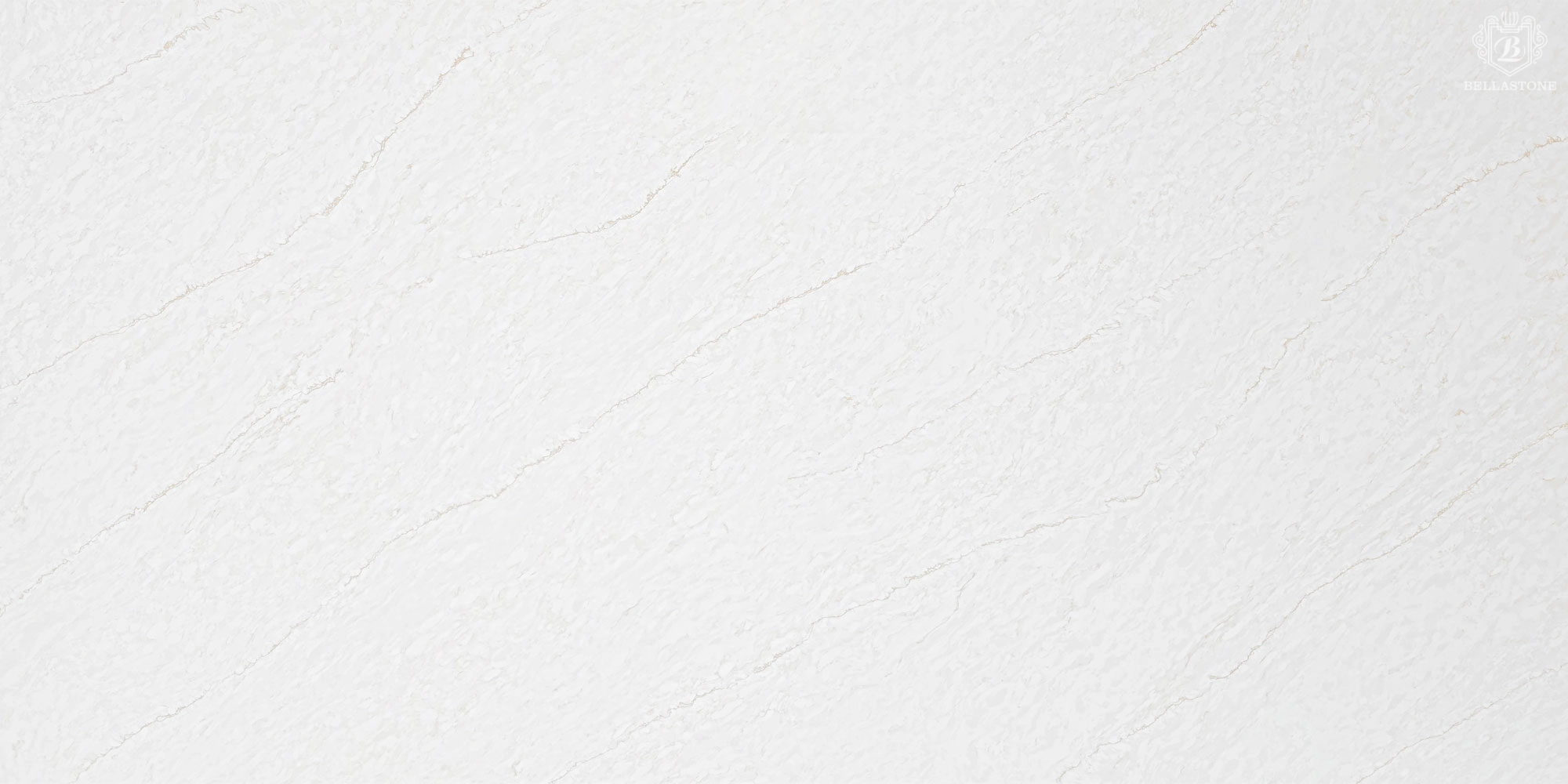
· White Quartz Countertops: They're a classic in modern and farmhouse designs, giving any room a fresh, clean look.
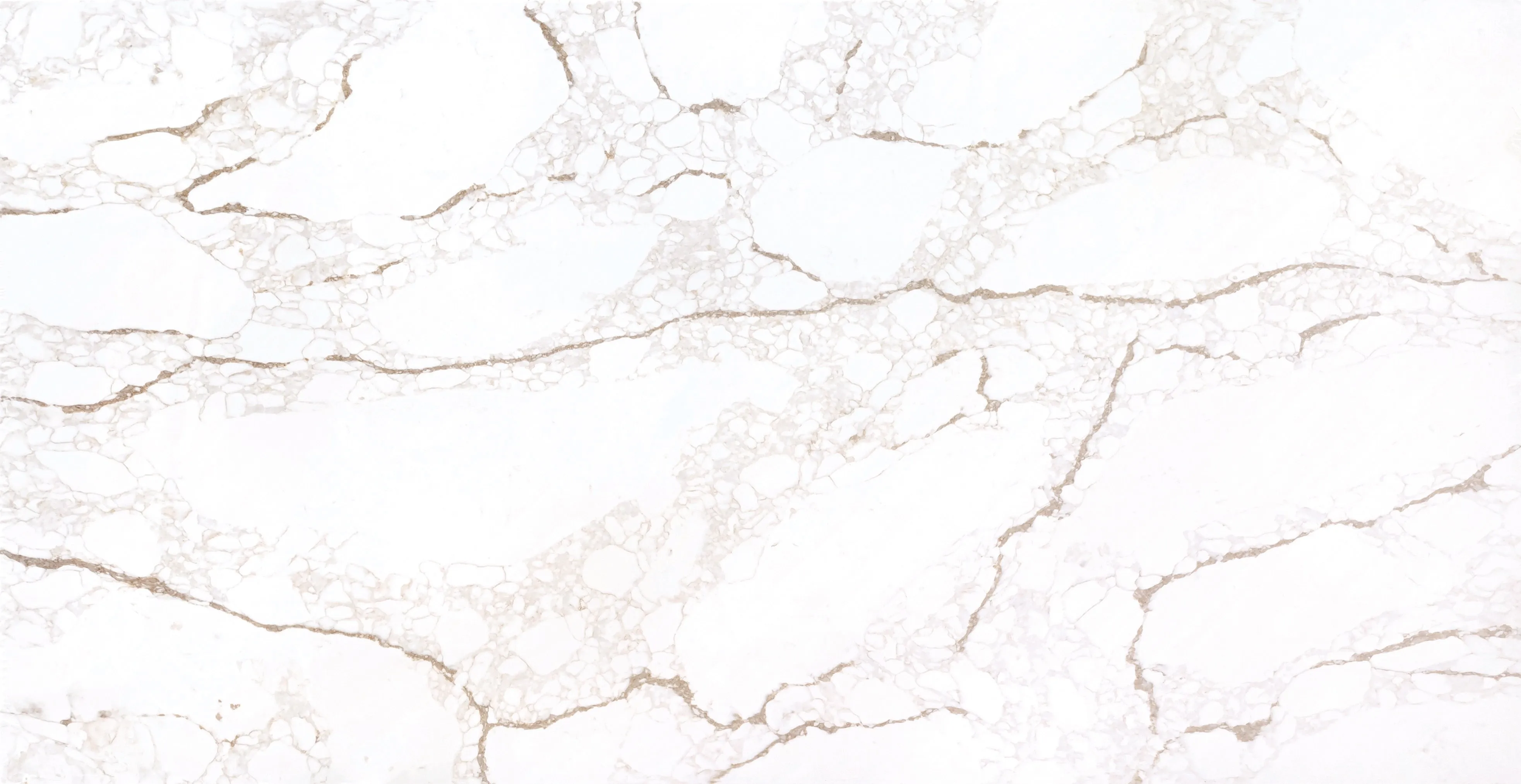
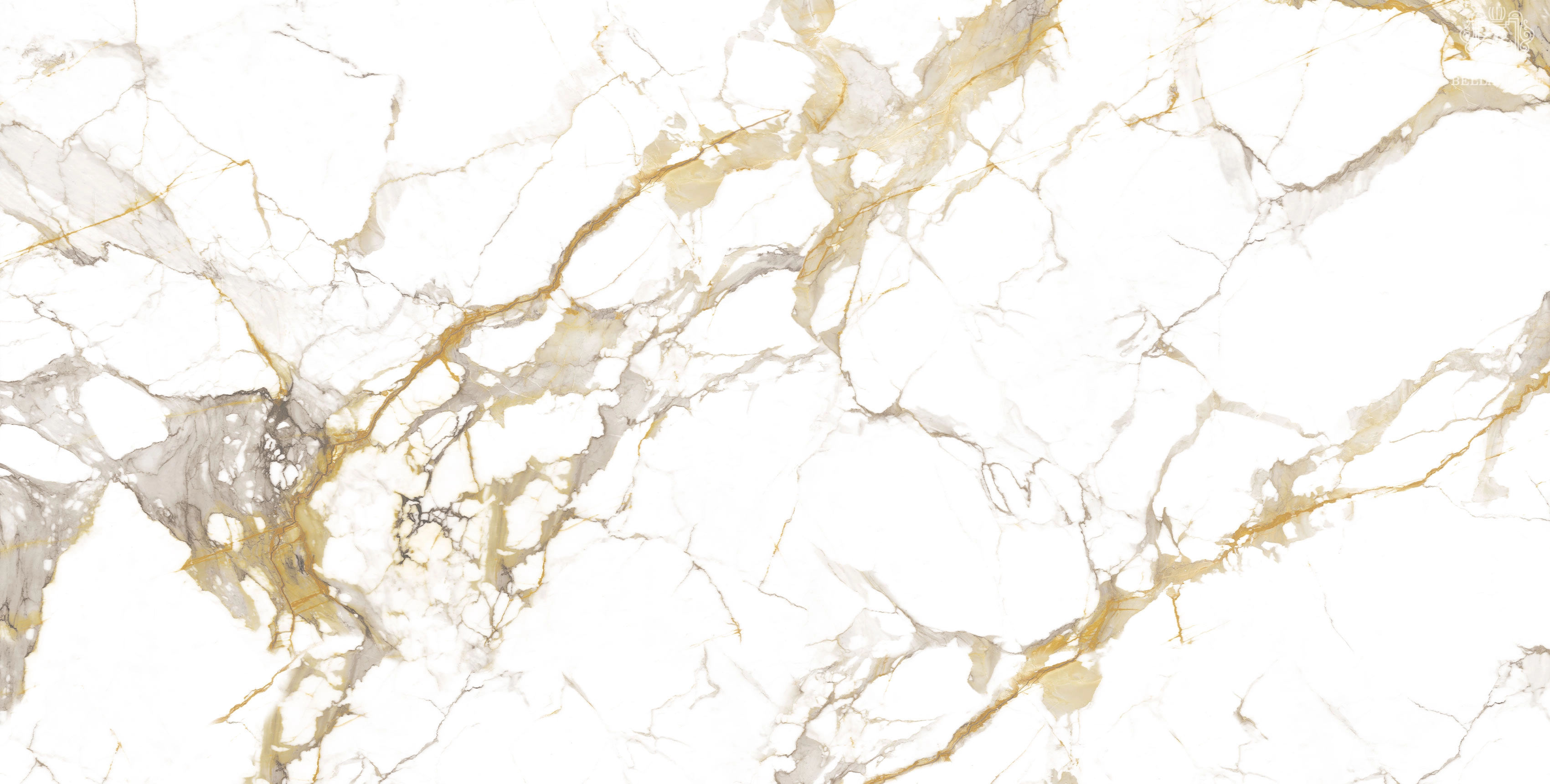
· Calacatta Gold Quartz Countertop: If you're into luxury, this style is like the popular Calacatta marble, with a white base and dramatic gray and gold veins, but without the fragility of real marble.
Other Variations
While quartz is the most popular, there are other options too, like recycled glass surfaces (crushed glass in a resin binder) and porcelain-based engineered surfaces, which are becoming more popular because of their heat resistance and thin profile options.
Engineered Stone vs. Natural Stone: A Head-to-Head Comparison
It's a common dilemma to decide between engineered and natural stone. Here's how they compare:
· Appearance: Natural stone (like granite and marble) has a unique movement that you can't find anywhere else. Engineered stone is consistent. If you fall in love with a specific sample of engineered stone, your slab will look just like it. With granite, the final slab might look totally different from the sample.
· Maintenance: Natural stone is porous, so you'll need to seal it regularly to prevent stains. Engineered stone doesn't need any sealing, so you don't have to worry about that.
· Durability: They're both durable, but engineered stone is more flexible because of the resin, so it's less likely to crack than natural stone. However, natural stone can handle higher heat.
· Cost: Quartz countertops and high-end granite are often comparable in price. But exotic natural stones can cost a lot more, and you can find affordable quartz countertops that still look great and work well for people on a budget.
Choosing the Right Engineered Stone Countertops for Your Space
Selecting the perfect slab involves more than just picking a color.
Color and Pattern Selection
Consider the lighting in your room. White quartz countertops reflect light and make small spaces feel larger. Darker stones add drama but may show fingerprints more easily. If you want a statement piece, look for high-movement designs like a Calacatta Gold quartz countertop.
Finish Options
· Polished: The most common finish; glossy, enhances color, and resists stains best.
· Honed/Matte: A softer, natural look. It conceals glare but can hold onto fingerprints and cleaning marks more than polished surfaces.
Budget Planning
When researching quartz countertops cost, remember that the price usually includes fabrication and installation. Factors influencing price include the rarity of the pattern (the "group" or "level" of the stone), the complexity of the installation, and edge profiles.
Installation and Longevity: What to Expect
Installing an engineered stone countertop is not a DIY job. Proper mounting quartz countertop procedures are critical for safety and longevity.
Professional Installation
The process begins with laser templating to ensure an exact fit. During installation, professionals will level the cabinets, place the heavy slabs, and join seams using color-matched epoxy. Because engineered stone is heavy, ensuring your cabinetry can support the weight is a vital pre-installation check.
Lifespan
With proper care, engineered stone countertops can last a lifetime. Most reputable manufacturers offer warranties ranging from 15 years to lifetime transferable warranties, underscoring the material's durability.
Caring for Your Engineered Stone Countertops: Maintenance Tips
One of the biggest selling points is ease of care, but that doesn't mean the surface is indestructible.
Daily Cleaning
Knowing how to clean quartz countertops is simple: use a soft cloth, warm water, and mild dish soap. Avoid abrasive sponges like steel wool, which can dull the polish.
Stain Removal
Do quartz countertops stain? It is rare, but possible if highly pigmented liquids (like turmeric or red wine) are left to dry. For tough spots, a non-abrasive surface cleaner or a gentle liquid cleaner can be used. Always rinse thoroughly.
What to Avoid
Avoid harsh chemicals. Drain cleaners, paint strippers, and high-pH cleaners can damage the resin binder. Also, while durable, the resin is not heat-proof. Using trivets is essential.
Potential Considerations and Drawbacks
Transparency is key to a happy purchase. Here are a few considerations:
· Heat Sensitivity: Are quartz countertops heat resistant? Yes, but only to a point (usually up to 300°F or 150°C, varying by brand). Placing a hot pan directly from the stove onto the quartz can cause "thermal shock" cracking or scorch marks on the resin.
· UV Sensitivity: Engineered stone is generally not recommended for outdoor kitchens. Continuous exposure to direct sunlight can cause the colors to fade and the white resin to yellow over time.
· Seamlessness: In large islands or L-shaped counters, seams are inevitable. While professional installers make them inconspicuous, they are not invisible.
The Smart Investment: Engineered Stone Countertops for Long-Term Value
Investing in engineered stone is a financial decision as much as an aesthetic one. Kitchens and bathrooms are the main things that affect how much a house is worth when you sell it. If you're thinking of selling your home, putting in a nice, long-lasting surface like a bathroom vanity with quartz countertop or a full kitchen suite can make it seem more modern and well-kept to potential buyers.
While quartz countertops might cost more at first, they don't need as much upkeep (sealants, repairs), and they last a long time, making them a wise choice when you look at the big picture.
Conclusion
Engineered stone countertops offer a compelling package of durability, beauty, and ease of care that is hard to match. They bridge the gap between the chaotic beauty of nature and the predictable reliability of science. Whether you choose the pristine look of white quartz countertops or a dramatic, veined dark surface, you are choosing a material that will serve your household faithfully for decades. If you are planning a renovation, we encourage you to visit a showroom to feel the difference and see the stunning variety of engineered stone options available today.If you need expert advice or want to explore our wide selection of premium engineered stone countertops, contact Bellastone today. We'd love to help you bring your vision to life!
Frequently Asked Questions
What is engineered stone made of?
Engineered stone is primarily composed of crushed natural stone, typically consisting of 90-95% natural quartz crystals. This aggregate is mixed with polymer resins, which bind the rock together, and pigments are added to provide color and pattern. This blend creates a durable, non-porous slab that is consistent in structure.
Are engineered stone countertops durable?
Yes, they are highly durable. They are resistant to scratches, chips, and cracks, making them one of the toughest countertop materials available. Their dense composition makes them tougher and more flexible than many natural stones, reducing the risk of chipping during installation or accidental impact.
How does engineered stone compare to natural stone like granite or marble?
The biggest difference is porosity. Engineered stone is non-porous and requires no sealing, unlike granite or marble which must be sealed regularly to prevent staining. Additionally, engineered stone offers consistent patterns and colors across slabs, whereas natural stone has unique, unpredictable variations. It is also generally more resistant to bacteria due to its non-porous surface.
Is engineered stone heat resistant?
It is generally heat resistant, but it is not heat-proof. Are quartz countertops heat resistant enough for a hot pan? Not directly. Direct contact with extreme heat (e.g., hot pots straight from the burner) can cause damage like scorching the resin or thermal shock cracking. We always recommend using trivets or hot pads to protect the surface.
How do I clean engineered stone countertops?
Learning how to clean engineered stone countertops is easy: simply wipe the surface daily with a soft cloth, warm water, and mild dish soap. You should avoid abrasive cleaners, harsh chemicals, strong acids, or high-alkaline cleaners, as these can dull the finish or damage the resin binder.
Does engineered stone stain easily?
No, do quartz countertops stain easily? Generally, no. Due to its non-porous nature, engineered stone is highly resistant to stains from common spills like coffee, wine, and oil. However, it is not stain-proof; prolonged exposure to highly pigmented substances can leave a mark, so prompt cleanup is still recommended for best results.
What are the different types of engineered stone?
The most common and popular type is quartz, known for its high natural quartz content. However, types of engineered stone can also include recycled glass surfaces (glass aggregate in resin) or porcelain-based engineered surfaces. Quartz remains the market leader for kitchen and bath applications.
Is engineered stone expensive?
The cost can vary. The price of quartz countertops is often comparable to or slightly higher than mid-range natural granite but usually less than premium marble or quartzite. Factors like the brand, the complexity of the design (veining), edge profiles, and installation requirements will affect the final price. There are inexpensive quartz countertops available, but homeowners should ensure they are not compromising on the quality of the resin binder.


Care & Maintenace
Is Bellastone quartz heat-resistant?
Quartz is heat-resistant, but not heat-proof. Always use trivets or hot pads to protect the surface from direct heat or hot cookware.
How do I clean my quartz surface daily?
Simply use a soft cloth or sponge with mild soap and warm water. Avoid abrasive pads or harsh chemicals to maintain surface shine.
FAQ
How does quartz stone compare to natural marble?
Durability: Higher hardness (Mohs scale 7 vs. marble 3-5),
Stronger resistance to scratching and impact
Stability: It has almost zero water absorption rate, with no risk of infiltration or discoloration, while marble requires regular sealing and maintenance
Consistency: The color and texture are controllable, without obvious color differences and flaws found in natural stone materials
Hygienic: Compact and non-porous surface, antibacterial and mold-resistant, easy to clean, meets food contact safety standards
Economical: low long-term maintenance costs, longer service life, and better overall cost-effectiveness
Printed Artificial Quartz Stone
Is it suitable for commercial projects?
Absolutely. Its uniform appearance, durability, and scalability make it ideal for hotels, offices, retail, and large construction projects.
What is printed quartz stone?
Printed quartz stone is an engineered quartz slab with high-definition printed surface patterns that simulate natural stone aesthetics while maintaining quartz performance.



Whether you're exploring design trends or planning your next build, our team is here to support with product advice, pricing, and tailored solutions.
Rest assured that your privacy is important to us, and all information provided will be handled with the utmost confidentiality.
By clicking "Send Inquiry Now", I agree to your processing my personal data.
To see how to withdraw your consent, how to control your personal data, and how we process it, please see our Privacy Policy and Terms of Use.
Bellastone, Premium Quartz Manufacturer & Exporter
© 2025 BELLASTONE. All Rights Reserved. | Privacy Policy | Terms and Conditions | Sitemap
Facebook
Linkedin
YouTube