



Quartz Countertops: Buying Guide, Costs, and Care 2026
A comprehensive 2026 guide to quartz countertops, covering costs, durability, maintenance, and the latest design trends like warm neutrals and honed finishes.
- What are Quartz Countertops?
- How They Are Made
- Key Takeaways: Your Quick Guide to Quartz Countertops
- The Unbeatable Advantages: Why Quartz Countertops Stand Out
- Understanding the Drawbacks: What to Consider Before Choosing Quartz
- Beyond the Surface: How Quartz Countertops Are Engineered
- Explore the World of Quartz: Types, Styles, and Finishes
- Your Comprehensive Buyer's Guide: Choosing the Perfect Quartz Countertop
- Decoding the Dollars: A Detailed Look at Quartz Countertops Costs
- Maintaining Brilliance: The Ultimate Guide to Quartz Countertops Care
- Daily Cleaning Routine
- What to Avoid
- Quartz vs. The Competition: A Head-to-Head Comparison
- Quartz Top vs Granite
- Quartzite vs Quartz
- Innovation on the Horizon: Quartz Countertop Trends & Future Technologies (2026+)
- Expert Insights: Common Mistakes to Avoid with Quartz Countertops
- Is Quartz Better Than Granite?
- How Much Do Quartz Countertops Cost?
- Quartz Countertops Buying Guide and Timeline
- Quartz Countertops to Suit Every Style: Pick Your Color and Pattern
- FAQ
- How much do quartz countertops typically cost per square foot?
- Are quartz countertops more durable than granite?
- What are the main disadvantages of quartz countertops?
- How often do you need to seal quartz countertops?
- What cleaning products are safe for quartz countertops?
- Can quartz countertops be repaired if chipped or scratched?
- What are the different types of quartz countertop finishes?
- Is quartz a good choice for outdoor kitchen countertops?
- References
What are Quartz Countertops?
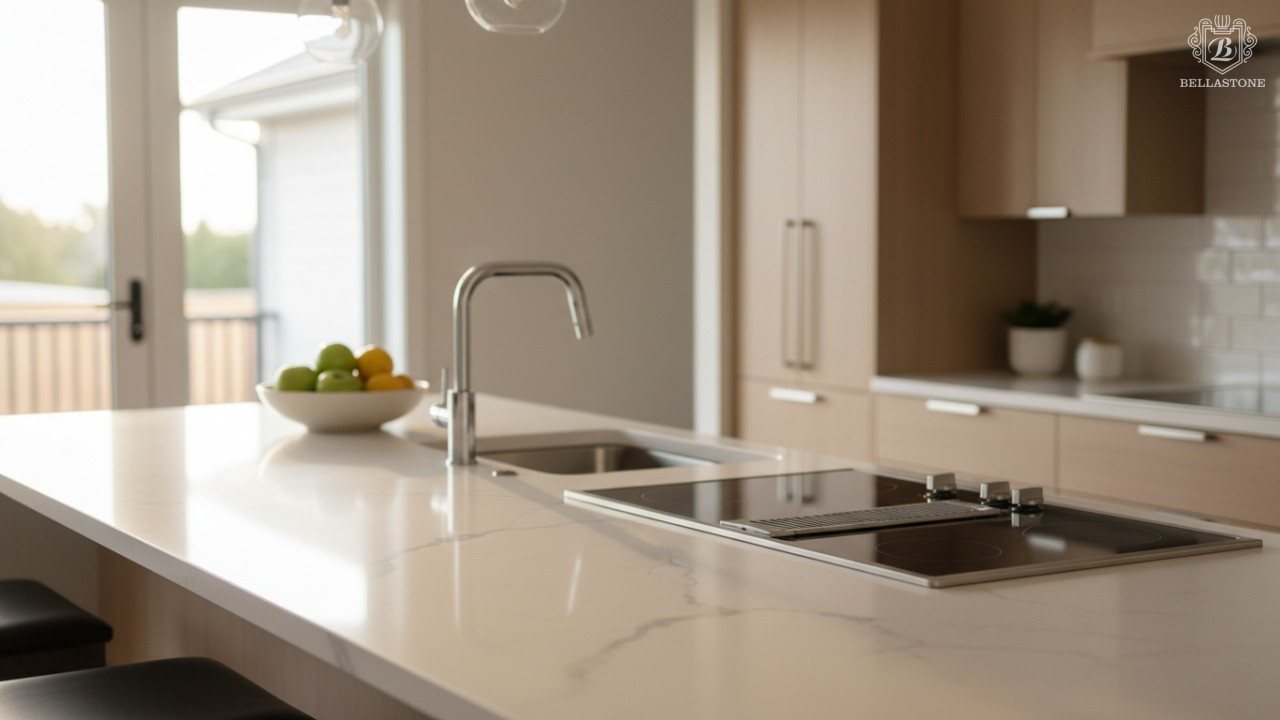
Quartz countertops are engineered stone surfaces composed of approximately 90-94% ground natural quartz crystals mixed with 6-10% polymer resins and pigments. This manufacturing process creates a non-porous, ultra-durable slab that mimics the look of natural stone while offering superior resistance to stains and bacteria.
How They Are Made
Unlike natural granite which is mined in whole slabs, quartz is a man-made product. The process allows for:
· Consistency: Uniform patterns and colors that natural stone cannot match.
· Customization: The ability to create specific looks, from pure white quartz kitchen countertops to designs mimicking Carrara marble.
· Strength: The resin binding makes the material harder and more flexible than standard natural stone, reducing the risk of chipping.
Key Takeaways: Your Quick Guide to Quartz Countertops
· Durability: Extremely resistant to scratches, cracks, and chips.
· Hygiene: Non-porous surface prevents bacteria growth; no sealing required.
· Cost: Mid-range to premium pricing ($50–$150+ per sq. ft.).
· Heat Warning: Resin can melt or discolor under high heat; always use trivets.
· Design: Available in limitless styles, including gray quartz countertops and marble look-alikes.
· Maintenance: Simple cleanup with mild soap; avoid harsh chemicals.
The Unbeatable Advantages: Why Quartz Countertops Stand Out
Quartz countertops dominate the market because they solve the biggest pain points of natural stone owners: maintenance and fragility.
· Zero Sealing Needed: Unlike granite, you never need to reseal quartz.
· Stain Resistance: Coffee, wine, and oil sit on the surface rather than soaking in.
· Design Versatility: Whether you want the dramatic veins of Calacatta Laza quartz or the subtle elegance of milky quartz, there is a slab to match.
· Uniformity: What you see in the showroom sample is very close to what you get, eliminating the "wild card" nature of natural stone slabs.
Understanding the Drawbacks: What to Consider Before Choosing Quartz
While superior in many ways, quartz is not indestructible.
· Heat Sensitivity: The polymer resins are susceptible to damage from hot pans (thermal shock) and can scorch if temperatures exceed 300°F.
· UV Discoloration: Prolonged exposure to direct sunlight can cause colors to fade, making standard quartz unsuitable for outdoor kitchens.
· Price: It can be more expensive than laminate or entry-level granite.
· Installation: Heavy slabs make this strictly a job for professionals, not DIYers.
Beyond the Surface: How Quartz Countertops Are Engineered
Engineered quartz is the result of a precise industrial process that combines nature's hardest minerals with modern chemistry.
1. Mining: Raw quartz crystals are mined, including varieties like rutilated quartz (often used for inspiration or semi-precious accents).
2. Grinding: The minerals are ground into aggregates ranging from fine powder to coarse distinct crystals.
3. Mixing: The quartz is blended with high-quality polymer resins and pigments. For more details on the broader category, read our guide on engineered stone countertops.
4. Compression: The mix is vibro-compacted under a vacuum to remove all air, creating a solid, non-porous slab.
5. Curing: Slabs are heated in a kiln to cure the resin, ensuring structural integrity.
Explore the World of Quartz: Types, Styles, and Finishes
Modern technology has expanded the aesthetic range of quartz far beyond the speckled "granite look" of the early 2000s.
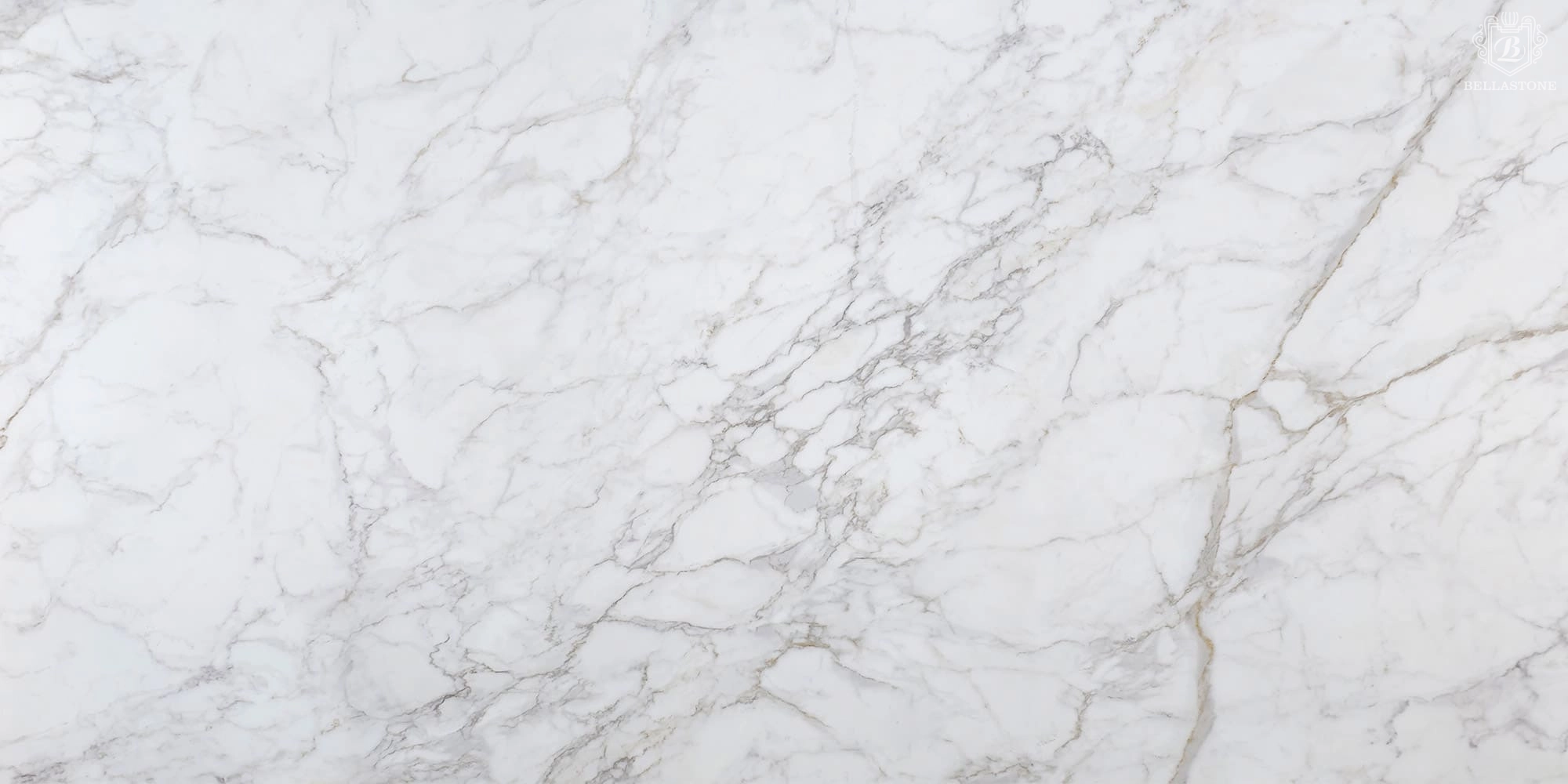
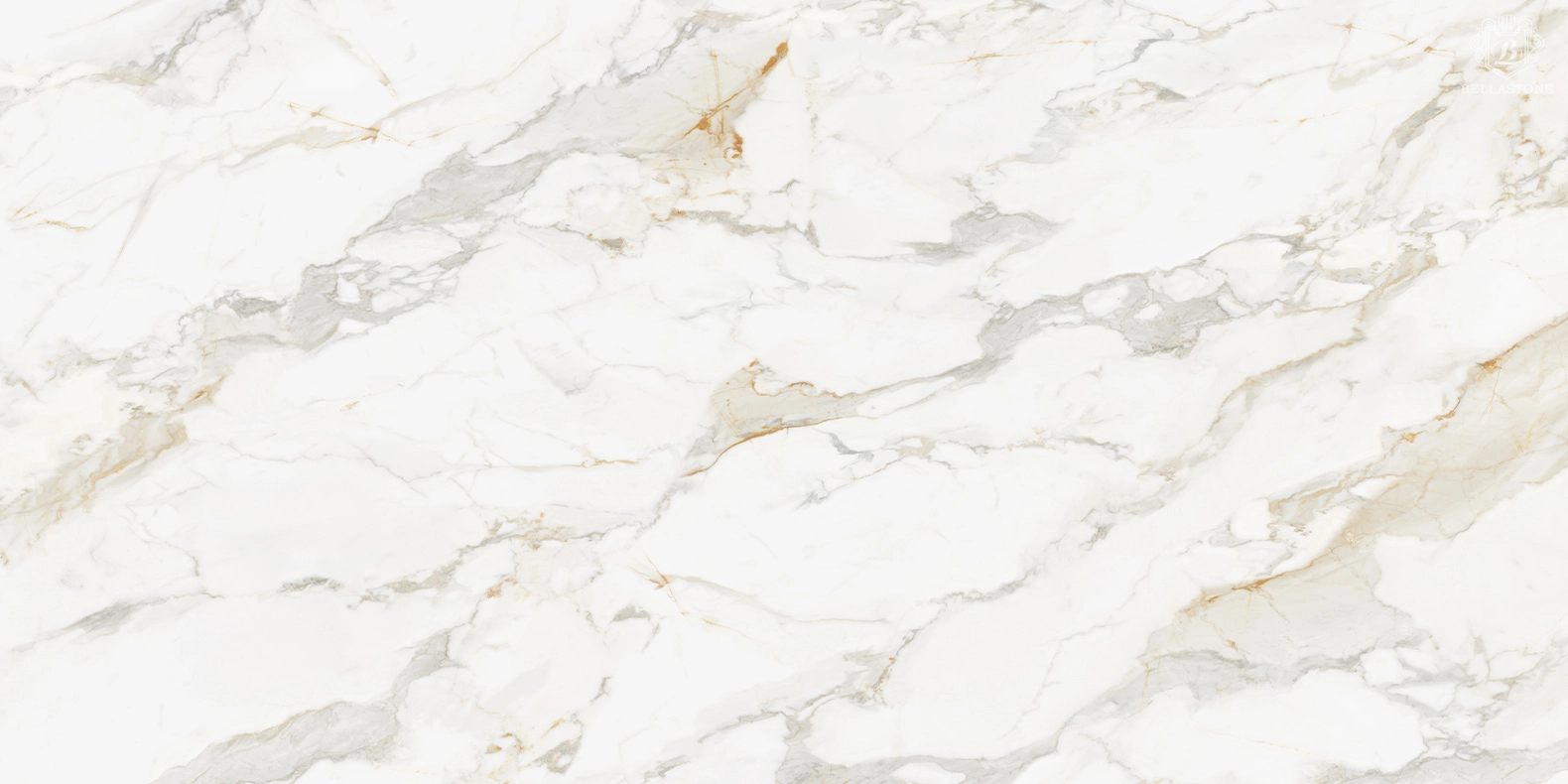
· Marble-Look: The most popular style in 2026. Calacatta quartz features a white background with dramatic gray or gold veining.
· Industrial/Concrete: Matte gray quartz countertops that look like concrete but feel smooth.
· Solid Colors: From stark white quartz kitchen countertops to deep blacks.
· Specialty/Gemstone: Some high-end lines mimic rutilated quartz (quartz with needle-like inclusions) or milky quartz (cloudy, translucent white) for a luxurious, jewelry-like effect.
· Finishes:
o Polished: High gloss, stain-resistant, makes colors pop.
o Honed/Matte: Satin finish, hides glare but can show fingerprints more.
o Leathered/Textured: A tactile, slightly rougher feel that hides crumbs.
Your Comprehensive Buyer's Guide: Choosing the Perfect Quartz Countertop
Selecting the right slab involves more than just picking a color.
1. Assess Your Lifestyle: If you have young kids, avoid honed finishes which show greasy fingerprints. Stick to polished.
2. View Full Slabs: Never buy based on a tiny 4x4 sample. Veining in Calacatta Laza quartz can vary largely across a full slab.
3. Check the Grade:
o First Choice: Flawless, vibrant colors (Premium).
o Commercial Grade: Minor blemishes, good for rentals.
o Second Choice: Visible defects (Budget).
4. Thickness Matters: Standard is 3cm (1 1/4 inch). Thinner 2cm slabs are cheaper but often require a plywood subtop and laminated edge.
Decoding the Dollars: A Detailed Look at Quartz Countertops Costs
Quartz countertops cost between $50 and $150 per square foot installed on average in 2026, depending on the quality and complexity.
According to recent market data, most homeowners spend between $3,000 and $7,500 for a complete kitchen installation.
· Basic/Standard Quartz: $50 – $70 per sq. ft.
· Mid-Range Quartz: $70 – $100 per sq. ft.
· Premium/Designer Quartz: $100 – $150+ per sq. ft. (e.g., highly specific marble patterns).
Factors Influencing Price:
· Brand: Big names like Cambria or Caesarstone often carry a premium.
· Cutouts: Undermount sinks and cooktop cutouts add labor costs.
· Edge Profiles: Waterfall edges or Ogee edges increase fabrication time and material usage.
Maintaining Brilliance: The Ultimate Guide to Quartz Countertops Care
Knowing how to clean quartz countertops properly is the key to maintaining their shine for decades.
Daily Cleaning Routine
· Step 1: Use a soft cloth or sponge.
· Step 2: Mix warm water with a mild dish soap.
· Step 3: Wipe down the surface and dry with a microfiber cloth to prevent water spots.
What to Avoid
· No Abrasives: Avoid steel wool or scouring pads.
· No Harsh Chemicals: Do not use bleach, oven cleaner, or high-pH cleaners.
· Stain Removal: For dried gum or food, use a plastic putty knife to gently scrape it off. For ink or marker, a small amount of rubbing alcohol works well.
Quartz vs. The Competition: A Head-to-Head Comparison
Quartz Top vs Granite
· Maintenance: Quartz wins. It requires no sealing, whereas granite needs yearly sealing.
· Aesthetics: Quartz top vs granite is a matter of preference. Granite offers natural, unique variation; quartz offers controlled consistency.
· Durability: Quartz is harder but less heat resistant. Granite can withstand hot pans better but can crack if hit hard.
Quartzite vs Quartz
· Material: Quartzite vs quartz is a common confusion. Quartzite is a natural stone (sandstone fused by heat/pressure); Quartz is engineered.
· Hardness: Quartzite is harder than glass and natural quartz, but it is porous and needs sealing.
· Cost: Quartzite is typically more expensive ($80–$200+ per sq. ft.) due to the difficulty of fabrication.
Innovation on the Horizon: Quartz Countertop Trends & Future Technologies (2026+)
The 2026 market is shifting away from stark whites toward warm neutrals and organic authenticity.
· Warmth & Wellness: Expect to see creamy beiges, taupes, and "greige" replacing the sterile hospital-white look.
· Hyper-Realism: Advanced printing technology (like 3D vein printing) is making engineered stone indistinguishable from high-end marble.
· Sustainable Slabs: Manufacturers are increasingly using recycled glass and renewable resins to lower the carbon footprint.
· Smart Surfaces: Prototypes exist for quartz counters with integrated induction cooking elements right inside the stone—invisible until turned on.
Expert Insights: Common Mistakes to Avoid with Quartz Countertops
1. Ignoring the Seams: On large islands, seams are inevitable. Discuss seam placement with your fabricator before they cut.
2. Using Windex: Regular glass cleaners often have high pH levels that can dull the resin over time.
3. Dragging Heavy Appliances: While scratch-resistant, dragging a heavy mixer with rubber feet can leave burn marks or scratches on the resin finish.
Is Quartz Better Than Granite?
Yes, for most homeowners who prioritize low maintenance and hygiene.
· Consistency: You know exactly what you are getting.
· Hygiene: Non-porous surface is safer for food prep.
· Value: Generally offers better resale appeal in modern markets due to the neutral, clean aesthetic.However, if you want a 100% natural, heat-proof surface and don't mind sealing it, granite remains a strong contender.
How Much Do Quartz Countertops Cost?
Expect to pay $50 to $150 per square foot, including installation.
· Small Kitchen (30 sq. ft.): $1,500 – $4,500.
· Large Kitchen (60 sq. ft. + Island): $4,000 – $10,000+.
· Money Saving Tip: Remnants (leftover pieces from other jobs) are perfect for small vanities and can cost significantly less.
Quartz Countertops Buying Guide and Timeline
1. Research (Weeks 1-2): Determine your budget and preferred style (e.g., gray quartz countertops vs. white).
2. Fabricator Visit (Week 3): Take measurements and view full slabs. Ask to see the best Calacatta quartz manufacturers brands to ensure quality.
3. Templating (Week 4): Professionals laser-measure your cabinets. Cabinets must be fully installed and level.
4. Fabrication (Weeks 5-6): The stone is cut and polished.
5. Installation (Week 7): Installation typically takes 1 day.
Quartz Countertops to Suit Every Style: Pick Your Color and Pattern
· Modern Minimalist: Go for pure white or solid gray.
· Luxury Traditional: Choose Calacatta Laza quartz or other wide-vein styles that mimic Italian marble.
· Rustic/Farmhouse: Look for matte finishes or slate-gray options.
· Eclectic/Artistic: Consider slabs with bold gold veining or semi-precious rutilated quartz effects for a show-stopping island.
For a deep dive into premium options, check out our ranking of the best Calacatta quartz manufacturers brands.
FAQ
How much do quartz countertops typically cost per square foot?
Quartz countertops generally range from $50 to $150 per square foot installed. The price varies based on the brand, pattern complexity, and regional labor rates.
Are quartz countertops more durable than granite?
Yes, in terms of structural strength. Quartz is engineered to be harder and more flexible, making it less prone to cracking or chipping. However, granite has superior heat resistance.
What are the main disadvantages of quartz countertops?
The main disadvantages are heat sensitivity (hot pans can cause scorch marks) and UV instability (colors can fade in direct sunlight). They are also not suitable for outdoor use.
How often do you need to seal quartz countertops?
Never. One of the biggest selling points of quartz is that it is non-porous and requires absolutely no sealing, waxing, or reconditioning.
What cleaning products are safe for quartz countertops?
Mild dish soap and warm water are best. For tougher messes, use products specifically labeled "safe for quartz" or a gentle surface cleaner like Simple Green (diluted). Avoid bleach.
Can quartz countertops be repaired if chipped or scratched?
Yes, professional stone restorers can fill chips with color-matched epoxy resin. While not always invisible, the repair is usually very effective.
What are the different types of quartz countertop finishes?
The three main finishes are Polished (glossy), Honed (matte), and Suede/Leathered (textured). Polished is the most stain-resistant and easiest to clean.
Is quartz a good choice for outdoor kitchen countertops?
No. The resin in quartz countertops reacts to UV rays, leading to yellowing and warping over time. Natural stones like granite or quartzite are better for outdoors.
References
· The Cost of Quartz Countertops in 2025: Trends & Analysis


Care & Maintenace
How do I remove stubborn stains or dried spills?
Use a non-abrasive household cleaner or a mixture of vinegar and water. For dried spills, gently scrape with a plastic putty knife.
Do I need to seal Bellastone quartz?
No sealing is required. Quartz surfaces are non-porous, making them resistant to stains, moisture, and bacteria by design.
Printed Artificial Quartz Stone
Can I customize patterns or colors?
Yes. BELLASTONE offers customized printed designs, colors, and slab specifications for OEM and project orders.
Is printed quartz durable enough for countertops?
Yes. Printed quartz slabs maintain the same core strength as standard engineered quartz and are suitable for kitchen and bathroom countertops.
FAQ
What scenarios is it applicable to?
Kitchen countertops and island tops, bathroom vanity tops, wall decorations and feature walls, commercial interior design, restaurants and public buildings, residential renovation projects.


Whether you're exploring design trends or planning your next build, our team is here to support with product advice, pricing, and tailored solutions.
Rest assured that your privacy is important to us, and all information provided will be handled with the utmost confidentiality.
By clicking "Send Inquiry Now", I agree to your processing my personal data.
To see how to withdraw your consent, how to control your personal data, and how we process it, please see our Privacy Policy and Terms of Use.
Bellastone, Premium Quartz Manufacturer & Exporter
© 2026 BELLASTONE. All Rights Reserved. | Privacy Policy | Terms and Conditions | Sitemap
Facebook
Linkedin
YouTube