



What warranty terms protect commercial countertop buyers?
- 1. How can I verify a white quartz slab’s actual composition, porosity and performance claims before buying for a commercial kitchen?
- 2. What warranty terms should I insist on for commercial installations of white quartz kitchen countertops to ensure coverage for heavy wear, staining, and seam failure?
- 3. How can I ensure consistent color and veining across multiple white quartz slab lots for a restaurant roll-out where continuity matters?
- 4. Are there validated sanitation and cleaning protocols (including EPA-registered disinfectants) that won't damage white quartz in high-turnover commercial kitchens?
- 5. What are realistic expectations for heat resistance of white quartz near commercial ovens, and how should I protect countertops from thermal damage?
- 6. How do I validate the installer’s responsibility and workmanship standards (seams, substrate flatness, adhesives) for large commercial quartz slab projects?
1. How can I verify a white quartz slab’s actual composition, porosity and performance claims before buying for a commercial kitchen?
Why it matters: Commercial kitchens are high-traffic, high-moisture, and food-safety sensitive. A slab’s published marketing terms (non-porous, hospital grade, etc.) are not enough—buyers must confirm lab-tested performance and relevant certifications before awarding a contract.
Checklist to verify a slab:
- Request the Technical Data Sheet (TDS) and Safety Data Sheet (SDS) from the slab manufacturer. The TDS should list resin content, declared quartz % and factory-applied sealers or coatings (if any).
- Ask for independent laboratory test reports for: water absorption (porosity), flexural/modulus-of-rupture testing, abrasion resistance, and stain resistance. These documents prove performance under controlled procedures and allow you to compare competing products.
- Confirm third-party indoor-air-quality and material-safety certifications such as GREENGUARD/ GREENGUARD Gold (low VOC) and NSF/ANSI 51 (for materials used in food equipment), if food-contact performance is needed. Many reputable quartz brands list these certifications on their data sheets.
- Verify Mohs hardness is consistent with quartz mineral content (natural quartz grain hardness = 7). Engineered quartz inherits high scratch resistance, but resin binder affects overall abrasion behaviour—use abrasion reports instead of raw hardness alone.
- Inspect production batch/lot documentation. Each shipment should carry a lot number and cutting list so you can trace installed slabs back to a production run if performance issues arise.
Practical validation on-site:
- Request and inspect the actual slabs you will receive (not only small samples). Check edge and underside markings for lot numbers, and verify they match purchase/order documents.
- Perform a simple water-drop test: while not a substitute for lab values, water should bead on a true resin-based quartz surface; persistent darkening suggests a surface treatment or higher porosity.
- Require pre-install acceptance: sign a written approval that the factory slabs were inspected and accepted in the yard—this becomes contractual evidence should a mismatch or defect be discovered after installation.
2. What warranty terms should I insist on for commercial installations of white quartz kitchen countertops to ensure coverage for heavy wear, staining, and seam failure?
Why it matters: Many manufacturer warranties are written for residential use and explicitly exclude commercial environments. Commercial buyers need contract-level protections tailored to heavy use, frequent cleaning, and liability exposure.
Key warranty clauses to require or negotiate:
- Explicit commercial-use coverage: The warranty must specifically state it covers commercial applications (restaurants, hotels, healthcare, retail), or you risk automatic exclusion.
- Scope and exclusions: Define covered defects (manufacturing defects, delamination, binder failure, colorfastness beyond normal variance, and seam failures) and list explicit exclusions (intentional abuse, improper installation, damage from heat exceeding manufacturer limits, chemical abuse contrary to cleaning protocol).
- Duration and remedies: Seek fixed-term coverage for commercial projects (common commercial warranty terms vary; negotiate a minimum period and clarify whether remedies are repair, replacement, or pro-rata credit). Ensure remedies include replacement of affected slabs and reasonable labor for replacement in commercial settings.
- Transferability and assignability: For leased properties or multi-tenant operations, ensure the warranty is transferable to subsequent property owners or tenants, or at least assignable under contract.
- Seam and installation workmanship: Manufacturer warranties often exclude installer workmanship. Require the fabricator/installer to provide a separate workmanship warranty covering seam appearance, adhesive failure, and edge details for a stated period (for commercial projects, 1–5 years is common).
- Claims process and response time: Define the required evidence for a claim (photos, slab lot numbers, TDS), a maximum response time from manufacturer/fabricator (e.g., initial response within 7–14 days), and timelines for remediation.
- Maintenance compliance condition: Warranties may be voided by improper cleaning. Ensure the warranty language requires following the manufacturer’s published maintenance protocol and that you receive that protocol with the contract.
Contract tip: Put all warranty language and required documentation into the purchase order and project contract. Oral assurances are not sufficient—insist on signed warranty addendums and include remedies and liquidated damages for major downtime in commercial kitchens.
3. How can I ensure consistent color and veining across multiple white quartz slab lots for a restaurant roll-out where continuity matters?
Why it matters: White quartz often has subtle background tone differences and vein patterns that can become obvious across multiple countertop runs. For chain restaurants or multi-station kitchens, a visual match across all sites is critical for brand consistency.
Steps to secure color and vein continuity:
- Order from the same production lot: Insist that all slabs for a single project come from the same lot/batch. If you must purchase across multiple shipments, require documented lot numbers and request that the supplier schedule production to minimize lot variation.
- Reserve extra slabs: Industry best practice is to order 10% overage for large or veined patterns to allow for matching and replacement cuts. For highly figured slabs, consider 15% to ensure seam placement flexibility.
- Approve full-size slabs on-site: Require the fabricator to present full slabs for visual approval before cutting. Small samples or photos are insufficient for veining; approve the actual slabs you will install.
- Use digital mapping and layout plans: For visible veining, require a full-size layout or bookmatching plan showing seam locations and how veins will align. Save digital images with slab IDs in project records.
- Hold fabricator accountable: Add acceptance criteria into the contract (e.g., acceptable variation thresholds, required mock-up approval, and who pays for slab rejection/replacement if mismatched).
Practical negotiation: If total project scope requires many slabs over time or multiple suppliers, specify an approved product code, color variance tolerance, and factory sampling procedures. Include a clause that the supplier must notify you in advance of any production formula or pigment change.
4. Are there validated sanitation and cleaning protocols (including EPA-registered disinfectants) that won't damage white quartz in high-turnover commercial kitchens?
Why it matters: Commercial kitchens must meet public-health cleaning and disinfection standards. At the same time, aggressive cleaners and repeated disinfectant use can dull finishes, bleach pigments, or attack resin binders if misused.
Best-practice sanitation approach:
- Follow the manufacturer's cleaning sheet: The definitive source is the slab manufacturer's published cleaning and disinfecting instructions. Manufacturers test common commercial cleaners; follow their listed EPA-registered disinfectants and concentration instructions.
- Use mild detergents for daily cleaning: pH-neutral cleaners and non-abrasive cloths typically suffice for soil removal and day-to-day cleaning on quartz surfaces.
- EPA-registered disinfectants: Many EPA-registered surface disinfectants are safe when used as directed. Confirm compatibility by cross-checking the product's technical data sheet with the quartz manufacturer's recommended product list. If a disinfectant is not listed, request written confirmation from the manufacturer prior to use.
- Avoid harsh acids and abrasive agents: Steer clear of strong acids (muriatic), highly alkaline oven cleaners, or abrasive pads that can damage the polished finish or edge details.
- Spot testing protocol: For new disinfectants, run a controlled spot test in an inconspicuous area and document the result for the client record before full deployment across all restaurant locations.
- Sanitizing for food-contact surfaces: Confirm that the product and procedures comply with local health-department requirements and, when applicable, that the slab carries an NSF food-contact certification like NSF/ANSI 51.
Operational tip: Provide your operations team with a one-page cleaning matrix specifying approved cleaning agents, dwell times for disinfectants, PPE requirements, and frequency (daily/after-service/deep-clean). Saving manufacturer compatibility statements with the site file will simplify future audits.
5. What are realistic expectations for heat resistance of white quartz near commercial ovens, and how should I protect countertops from thermal damage?
Why it matters: Engineered quartz contains polymer resin binders plus natural quartz particles. While quartz grains are highly heat-tolerant, the resin is sensitive to direct high heat and thermal shock. In commercial kitchens where hot pots, pans and equipment are common, misunderstanding heat limits leads to cracking, discoloration or localized burn marks.
Practical heat-resistance guidance:
- Do not rely on quartz for direct radiant or conductive heat exposure: Avoid placing hot cookware directly on the counter. Use trivets, heat pads or built-in hot wells for short-term placement.
- Protective design details: Where counters abut ovens or pizza ovens, include thermal barriers (insulating backer panels, metal trim or heat-break zones) in the specification. For pass-through stations, design a raised edge or heat-resistant surface adjacent to the hottest equipment.
- Avoid point-source high heat: Direct bottom contact from very hot pans, broilers, salamanders or open flames can char the resin and cause crazing or color change. Train staff and include signage to prevent direct-pan placement.
- Confirm manufacturer guidance: Include the manufacturer's stated maximum safe surface temperature and any test data in project records. Where a project may expose countertops to sustained elevated temperatures, ask for lab-backed thermal shock and softening-point data for the specific product.
Design solution: If the operation requires routine placement of hot equipment on the countertop (for example, short-term warming plates), specify a heat-tolerant insert (stainless steel or ceramic tile inset) or choose a countertop material specifically rated for higher direct heat exposure in those zones.
6. How do I validate the installer’s responsibility and workmanship standards (seams, substrate flatness, adhesives) for large commercial quartz slab projects?
Why it matters: Many quartz performance issues attributed to the product are actually installation problems: improper substrate, poorly set seams, incorrect adhesives, insufficient support on large spans, or out-of-tolerance cabinets that lead to stress and eventual failure.
Contractual and on-site validation steps:
- Require installation specifications: Put a written installation scope referencing the slab manufacturer’s recommended substrate, fasteners, adhesive types, seam preparation methods and allowable tolerance limits into the contract. This ties product warranty to proper installation.
- Define flatness and support tolerances: Include measurable flatness and deflection tolerances (expressed in mm/inches over a stated span) and require the installer to certify the substrate before templating. If possible, include acceptance criteria such as a straightedge check and recorded measurements in the job file.
- Mock-up and seam sample: For visible seams and edge profiles, require a pre-install mock-up showing seam appearance, adhesion, and edge finishing for client approval. This sets objective acceptance criteria.
- Installer qualifications and insurance: Require that fabricators/installers be certified or accredited by reputable trade associations (e.g., the Natural Stone Institute or recognized local trade bodies) and provide proof of commercial general liability and professional liability insurance.
- Documentation and warranties: Obtain a written workmanship warranty from the installer (covering seams, adhesives, mechanical failure from improper support) and require that the installer provide a post-install report with slab lot numbers, seam locations, and photographs.
- Holdbacks and acceptance: Use contract mechanisms such as holdbacks or retention until final acceptance and satisfaction of punch-list items to motivate proper workmanship and timely fixes.
Field verification: During installation, perform a slab-by-slab verification against lot numbers, take high-resolution photos of seams and finished edges, and keep records of adhesive product names and batch numbers. These records streamline warranty claims should manufacturing vs installation responsibility be disputed.
Concluding summary of advantages of white quartz kitchen countertops
White engineered quartz slabs combine the durability of natural quartz with the consistency and low-maintenance benefits of factory fabrication. They offer strong scratch resistance, a non-porous surface when properly produced and maintained, and predictable color options that are ideal for a branded commercial look. With the right product selection, validated certifications (GREENGUARD, NSF where applicable), strict batch control, a clear commercial warranty, and disciplined installation and cleaning procedures, white quartz is a practical, hygienic, and attractive choice for restaurants, hotels and other high-use foodservice environments.
For project-specific guidance and a tailored quote for white quartz kitchen countertops, contact us at www.gdbellastone.com or email info@gdbellastone.com.


Care & Maintenace
Can I cut food directly on the quartz surface?
While the surface is scratch-resistant, we recommend using a cutting board to protect both the quartz and your knives.
Is Bellastone quartz heat-resistant?
Quartz is heat-resistant, but not heat-proof. Always use trivets or hot pads to protect the surface from direct heat or hot cookware.
FAQ
Can it be made into a finished product?
Yes, we support customization and installation.
What is the minimum order quantity?
Minimum order quantity: 30 pieces.
Printed Artificial Quartz Stone
How does printed quartz compare to natural marble?
Printed quartz offers better consistency, lower maintenance, and higher resistance to stains and scratches, while delivering a similar visual effect.
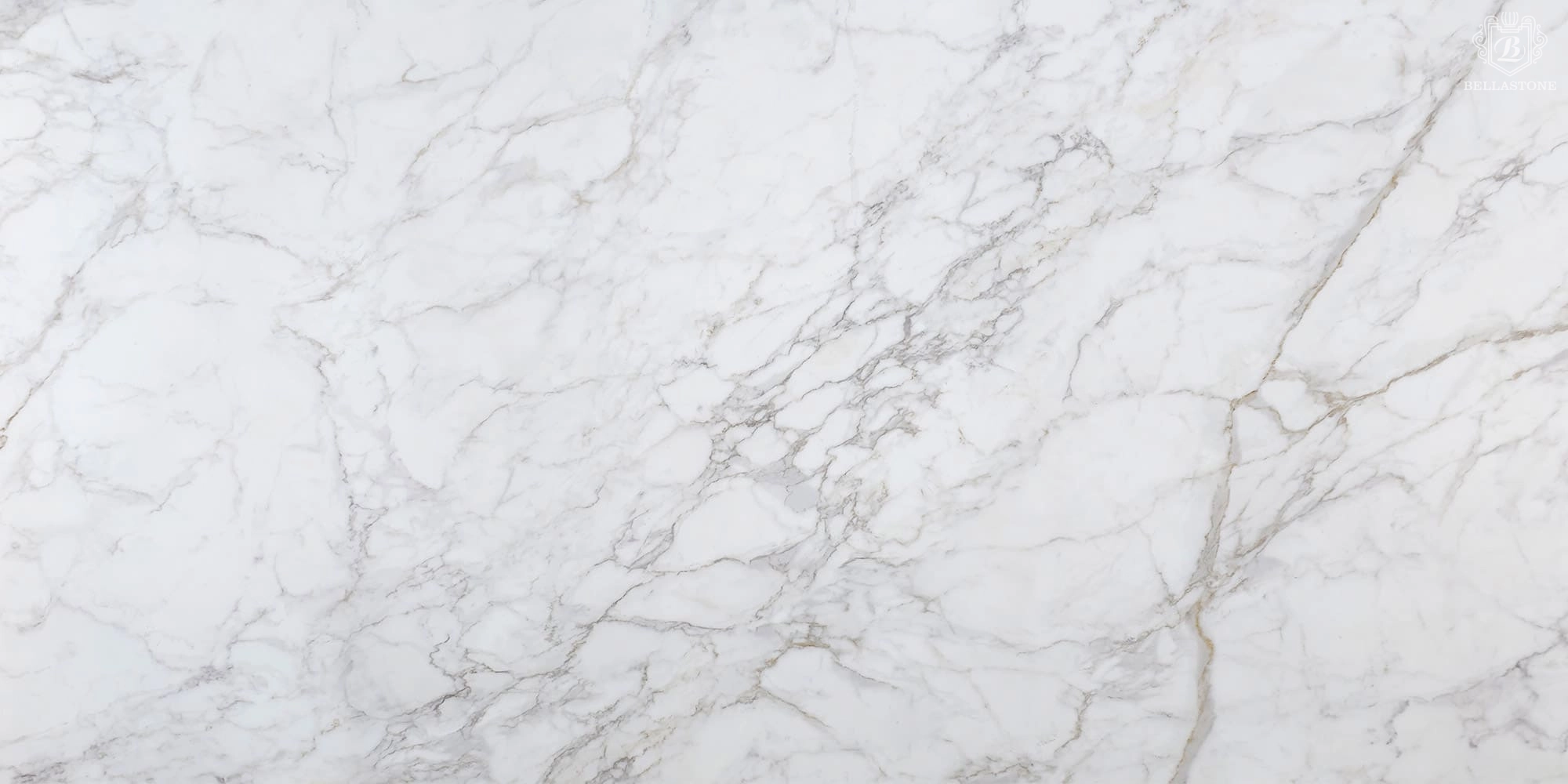
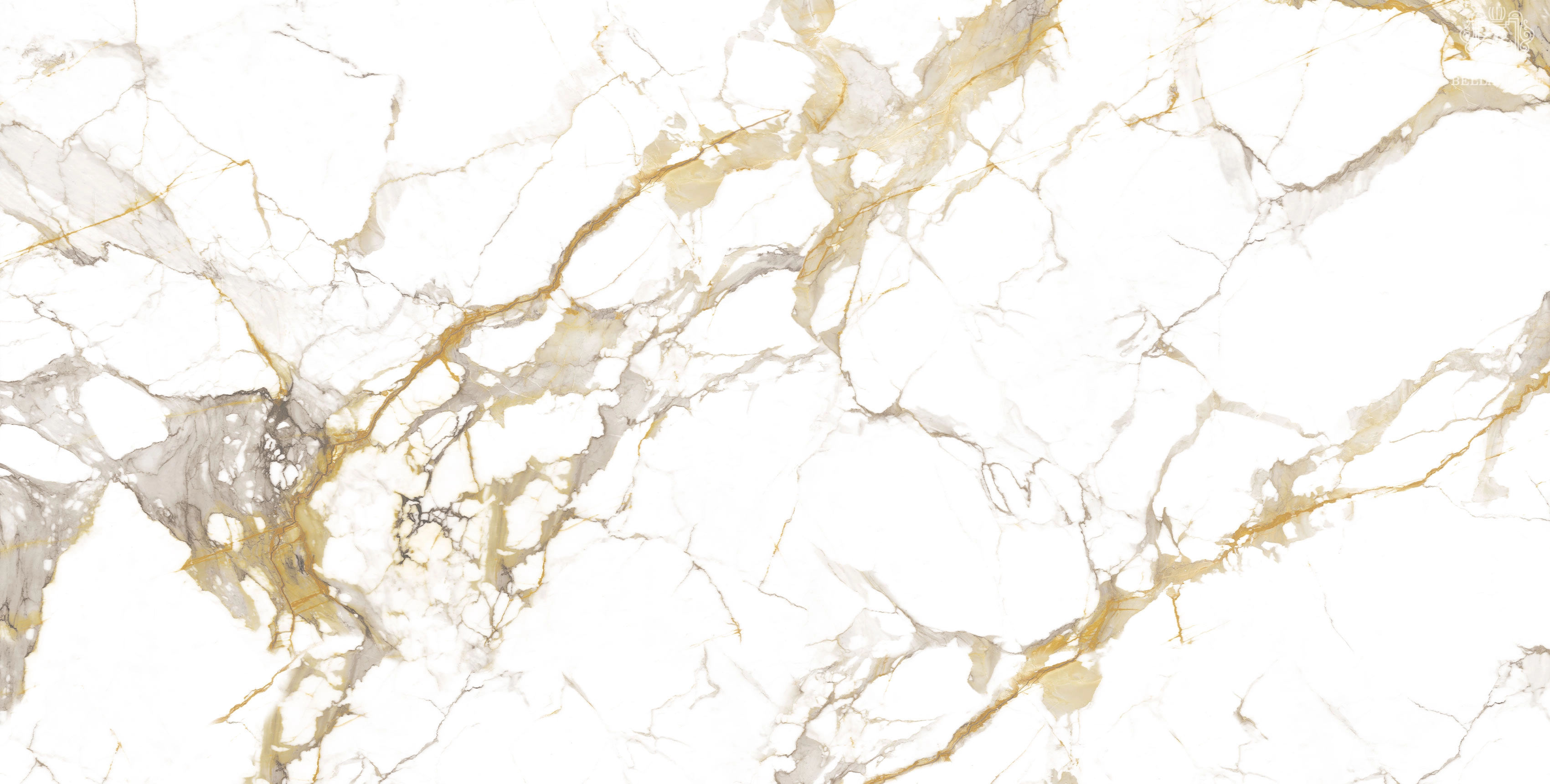



Whether you're exploring design trends or planning your next build, our team is here to support with product advice, pricing, and tailored solutions.
Rest assured that your privacy is important to us, and all information provided will be handled with the utmost confidentiality.
By clicking "Send Inquiry Now", I agree to your processing my personal data.
To see how to withdraw your consent, how to control your personal data, and how we process it, please see our Privacy Policy and Terms of Use.
Bellastone, Premium Quartz Manufacturer & Exporter
© 2025 BELLASTONE. All Rights Reserved. | Privacy Policy | Terms and Conditions | Sitemap
Facebook
Linkedin
YouTube