



What are hygienic benefits of non-porous quartz surfaces?
- 1. How can I verify a white quartz slab's non-porous and hygienic performance for a commercial or demanding residential kitchen?
- 2. How do I objectively compare stain resistance across white quartz brands instead of trusting showroom demos?
- 3. What practical steps minimize visible seams and color-lot mismatch on large white quartz islands and backsplashes?
- 4. How should I protect white quartz countertops from heat, UV exposure, and resin-related yellowing or resin bloom?
- 5. Which surface finish for a white quartz kitchen countertop best balances hygiene, maintenance, and appearance?
- 6. What are hygienic benefits of non-porous quartz surfaces? Practical sanitation protocols and their limits?
1. How can I verify a white quartz slab's non-porous and hygienic performance for a commercial or demanding residential kitchen?
Don’t rely on marketing phrases like “non-porous” alone. Verify with documentation: ask the supplier for the slab’s Technical Data Sheet (TDS), Material Safety Data Sheet (MSDS), and any third‑party test reports. Key things to request and check:
- Composition statement: reputable engineered quartz typically contains ~85–95% natural quartz aggregate and 5–15% resin and pigments. This high quartz loading explains low porosity and high hardness relative to many polymers.
- Water absorption or porosity test results: while there is no single universal threshold, engineered quartz should demonstrate negligible water absorption in standardized lab tests (OEM data commonly show values near 0% under common test methods used by manufacturers). If a supplier declines to provide numbers, treat it as a red flag.
- Microbiological testing: ask for ISO 22196 (antibacterial activity on non-porous surfaces) or equivalent test reports and, if applicable, NSF/ANSI certification for food contact materials. Some manufacturers test their surfaces against bacterial colonization; review the method, organisms tested, and log reductions reported.
- Sanitation compatibility: request a list of disinfectants and cleaners validated for the surface (e.g., EPA-registered disinfectants, 70% isopropyl alcohol, or diluted bleach). The supplier should state contact times and rinsing instructions.
Practical buying tip: for commercial kitchens or healthcare-adjacent installations insist on stamped test reports and the slab's batch/lot number so you can cross-reference the report to the actual material delivered. If the vendor cannot or will not provide verifiable documentation, select a different supplier.
2. How do I objectively compare stain resistance across white quartz brands instead of trusting showroom demos?
Showroom samples and staged demonstrations can be misleading. Use a repeatable testing protocol and compare vendors on the same criteria:
- Prepare identical 10x10 cm coupon pieces (ask suppliers for small cut-offs) and run standardized spot tests: coffee, red wine, tomato sauce, turmeric paste, oil. Apply fixed volume (e.g., 2 mL), cover to prevent evaporation, leave for 24 hours, then clean with the manufacturer-recommended cleaner and document results.
- Quantify before/after: photograph under consistent lighting and note any discoloration. For professional procurement, request vendor stain‑resistance data under the same protocol and the cleaning method they recommend to achieve the claimed results.
- Consider finish and color: pure white and veined whites show stains differently. Honed or textured finishes can hide minor discoloration but may show oils more; polished finishes show spills immediately but are easier to clean.
- Ask for long-term aging data: vendors should provide guidance on cumulative exposure to acidic foods (juices, vinegars) and pigment agents (turmeric) and whether repeated spills can lead to permanent staining.
Buyers: include a clause in contracts that the delivered slabs must match the stain-resistance performance of provided test coupons. This transfers accountability to the supplier/fabricator.
3. What practical steps minimize visible seams and color-lot mismatch on large white quartz islands and backsplashes?
Seams are the most visible aesthetic risk with white quartz kitchen countertops, especially with subtle veins. Follow a fabrication-first approach:
- Order full-slab photos with the slab’s lot number and vein direction. White quartz patterns vary within a lot—insist fabricators dry-fit and mark seam locations on the full slab image before cutting.
- Plan seam locations where they are least visible: behind faucets, within cabinet returns, or along natural breaks in veining. A continuous waterfall requires longer slab lengths—confirm slab dimensions before finalizing island layout.
- Choose seam methods: epoxy color-matched, butt-joint, or slight miter. For pure white, set epoxy tint carefully using a physical sample; digital color matching is insufficient. Request a mock seam sample on a scrap piece before full fabrication.
- For large surfaces, consider book-matched slabs or veined designs engineered to flow across seams—this reduces the perception of a seam but requires matching lot numbers and precise cutting tolerances.
- Contract requirement: include “no visible seam” acceptance criteria in the purchase order with holdback until final inspection, and require the fabricator to supply post-installation photos under natural and artificial light for approval.
4. How should I protect white quartz countertops from heat, UV exposure, and resin-related yellowing or resin bloom?
Engineered quartz is durable but contains polymer resin; it is not impervious to heat, prolonged UV, or harsh chemicals:
- Heat tolerance: direct contact with very hot pots can cause thermal damage (discoloration, crazing). Manufacturers commonly recommend avoiding direct contact above ~150°C (300°F). Use trivets and avoid placing hot cookware directly on the surface.
- UV exposure: some resin systems can yellow under prolonged direct sunlight. For sunny kitchens or exterior applications, request UV-stability data or choose quartz grades formulated for UV resistance; for long exterior exposures consider specifying sintered or natural stone alternatives specifically rated for outdoors.
- Resin bloom/edge yellowing: if edges or seams show resin discoloration over time, this may indicate poor resin formulation or UV/smoke exposure. Preventative measures include minimizing smoker/kitchen hood recirculation over the surface and using venting that removes airborne contaminants and heat.
- Repair options: minor resin discoloration sometimes can be buffed out by professional fabricators; thermal cracks or deep damage typically require section replacement. Document any manufacturer thermal-resistance claims in writing and include them in warranty terms.
5. Which surface finish for a white quartz kitchen countertop best balances hygiene, maintenance, and appearance?
Finish changes both aesthetics and practical hygiene behavior:
- Polished: glossy, highly non-absorbent surface that is easiest to clean and disinfect because soils sit on the surface. Best for healthcare-adjacent or high-sanitation kitchens. However, gloss highlights scratches and etches more visibly on white surfaces.
- Honed/matte: less reflective and hides minor scratches better, but matte finishes can show oily residues and may require a bit more agitation/cleaning to remove contaminants. Choose finishes with smooth matte textures for easier sanitation.
- Textured/leathered: offers tactile appeal and hides fingerprints, but texture traps oils and crumbs more readily and increases cleaning time—less ideal where rapid disinfection is required.
Recommendation: for primary kitchen worktops in food-prep heavy homes or commercial kitchens, polished or low‑texture honed finishes strike the best balance for hygiene and maintenance. Confirm the vendor’s recommended cleaning regimen for each finish and perform a quick cleaning trial on a sample piece.
6. What are hygienic benefits of non-porous quartz surfaces? Practical sanitation protocols and their limits?
Hygienic benefits of non-porous engineered quartz are real but nuanced:
- Barrier to ingress: the combination of dense quartz aggregate and polymer resin creates a surface with minimal micro-voids. This reduces fluid penetration compared with porous stones and wood, limiting bacterial migration into the material where disinfectants can’t reach.
- Ease of cleaning: non-porous surfaces allow contaminants to remain on the surface where routine cleaning and disinfecting remove them effectively. Use EPA-registered disinfectants or 70% isopropyl alcohol for routine sanitization. For bleach, a 1:10 household bleach solution is commonly accepted for non-porous surfaces—follow manufacturer guidance and rinse after contact as recommended.
- Limits and realistic expectations: non-porous does not mean antimicrobial. Engineered quartz limits bacterial absorption but does not actively kill microbes unless the product has an antimicrobial treatment with validated claims. For critical sanitary environments (commercial kitchens, healthcare), specify materials with validated antimicrobial testing or implement procedural controls (frequent disinfection, proper hand hygiene, and temperature controls) rather than relying solely on the countertop material.
- Validation and traceability: request third-party microbiological test reports (e.g., ISO 22196) and disinfectant compatibility lists. For foodservice procurement, ensure product documentation aligns with local health department regulations and national standards (EPA disinfectant guidance, NSF references where applicable).
Practical sanitation protocol for white quartz kitchen countertops:
- Daily cleaning: wipe with mild detergent and warm water; dry with a microfiber cloth to avoid streaking.
- Routine disinfection: use an EPA-registered disinfectant per label instructions or 70% isopropyl alcohol; allow the stated contact time before wiping.
- For visible spills of high-risk material (raw meat juices): clean immediately, disinfect, and rinse. Avoid abrasive scrubbing pads that can dull finishes.
- Avoid harsh solvents and prolonged exposure to strong acids/alkalis which can damage resin. If a solvent contact occurs, follow supplier instructions for remediation.
In short: non-porous quartz significantly simplifies cleaning and reduces risk compared with porous counters, but it is one layer in a system of hygiene practices.
Concluding paragraph: White quartz kitchen countertops combine low porosity, strong stain resistance, and a range of finishes to meet both aesthetic and hygienic requirements. When buying quartz slabs, prioritize documented test data (TDS, microbiological reports), controlled fabrication practices to minimize seams and color variation, and clear sanitation instructions. For high-use or commercial kitchens, specify materials with validated test reports (ISO/NSF) and require sample-based stain and heat trials. Proper selection, installation, and maintenance together deliver durable, easy-to-clean surfaces that meet modern hygiene expectations.
Contact us for a quote or to request slab test reports and fabrication samples: www.gdbellastone.com • info@gdbellastone.com


Care & Maintenace
How do I remove stubborn stains or dried spills?
Use a non-abrasive household cleaner or a mixture of vinegar and water. For dried spills, gently scrape with a plastic putty knife.
Is Bellastone quartz heat-resistant?
Quartz is heat-resistant, but not heat-proof. Always use trivets or hot pads to protect the surface from direct heat or hot cookware.
Do I need to seal Bellastone quartz?
No sealing is required. Quartz surfaces are non-porous, making them resistant to stains, moisture, and bacteria by design.
Printed Artificial Quartz Stone
Can I customize patterns or colors?
Yes. BELLASTONE offers customized printed designs, colors, and slab specifications for OEM and project orders.
FAQ
How does quartz stone compare to natural marble?
Durability: Higher hardness (Mohs scale 7 vs. marble 3-5),
Stronger resistance to scratching and impact
Stability: It has almost zero water absorption rate, with no risk of infiltration or discoloration, while marble requires regular sealing and maintenance
Consistency: The color and texture are controllable, without obvious color differences and flaws found in natural stone materials
Hygienic: Compact and non-porous surface, antibacterial and mold-resistant, easy to clean, meets food contact safety standards
Economical: low long-term maintenance costs, longer service life, and better overall cost-effectiveness
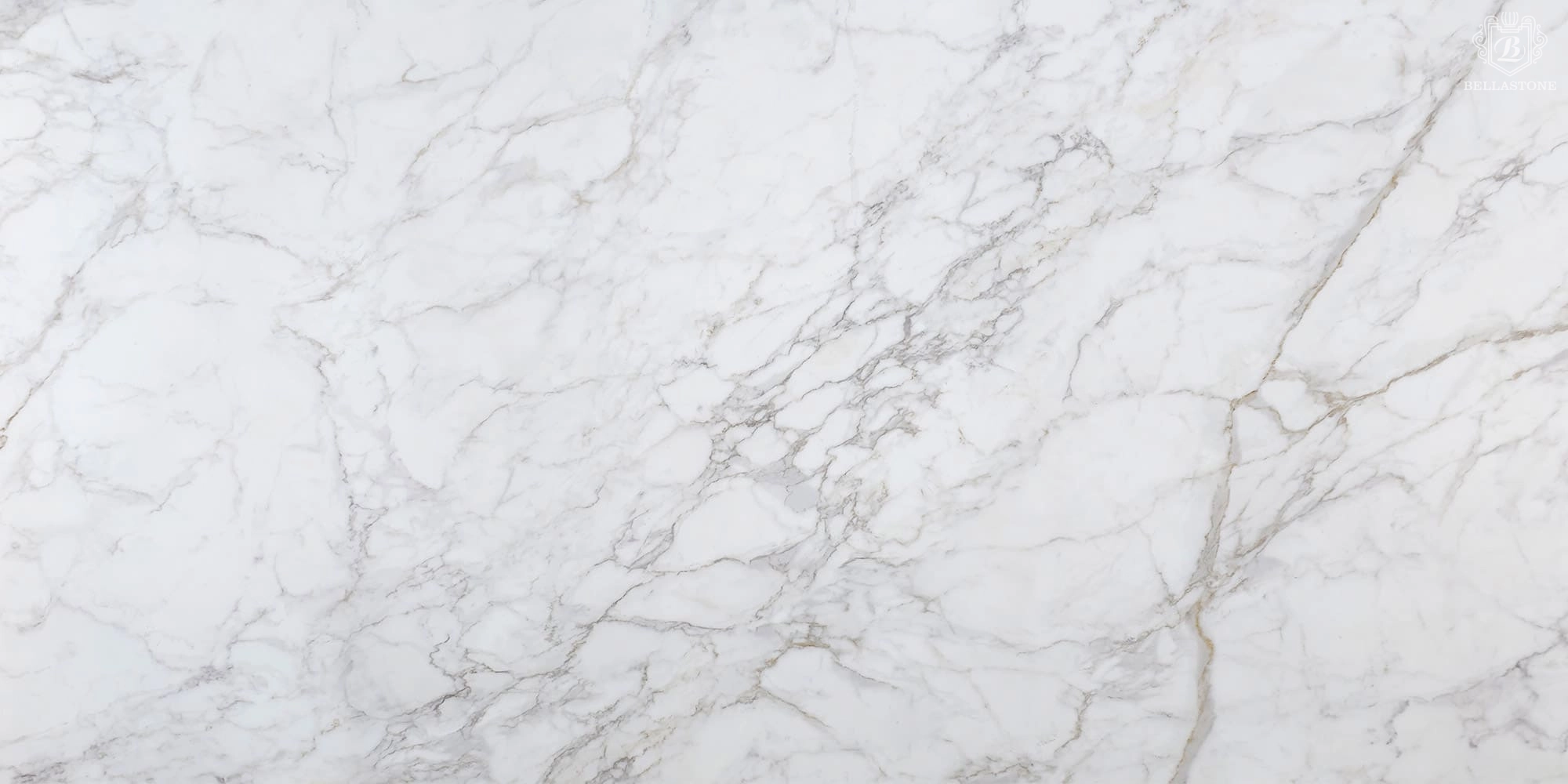
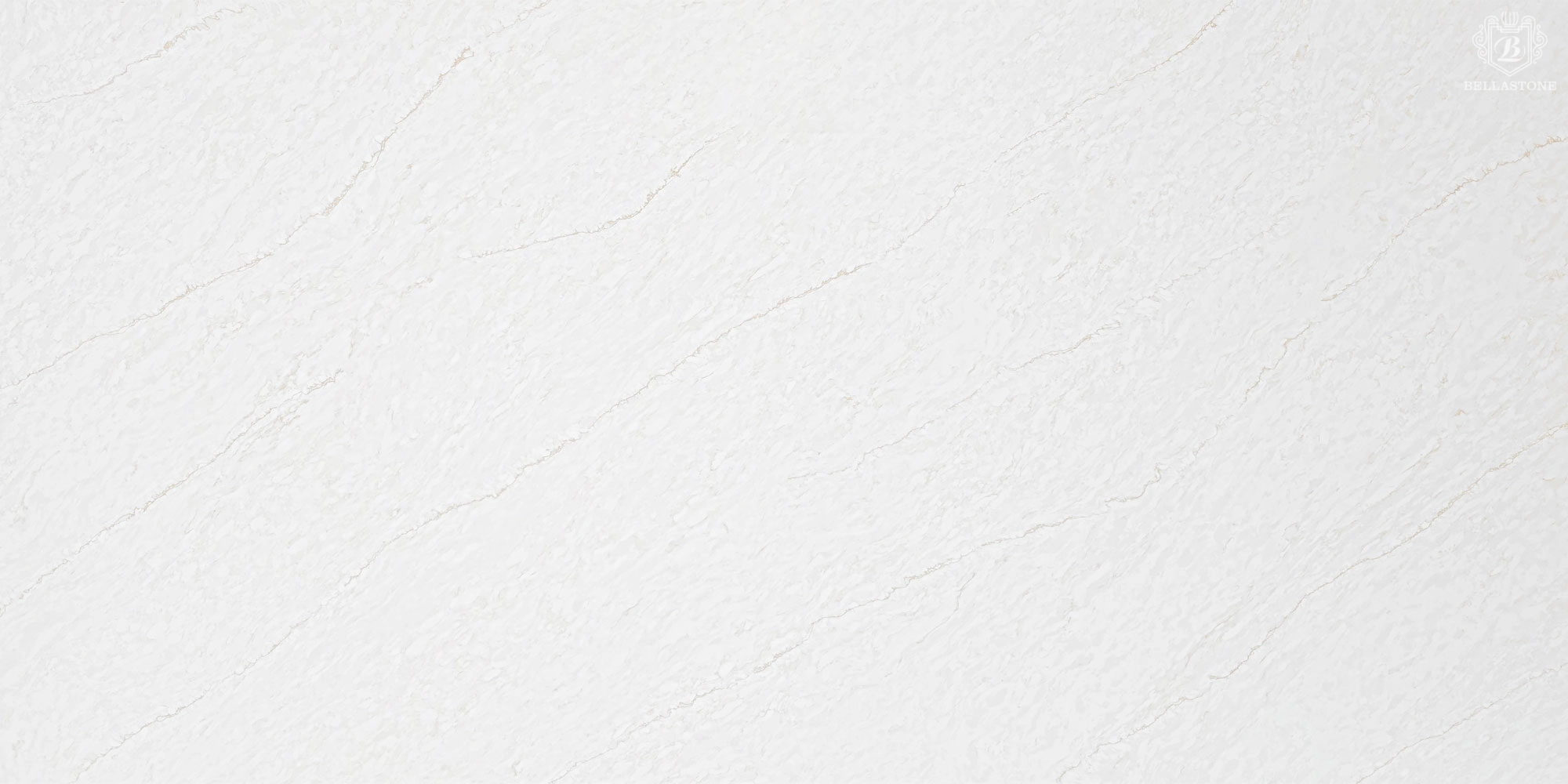

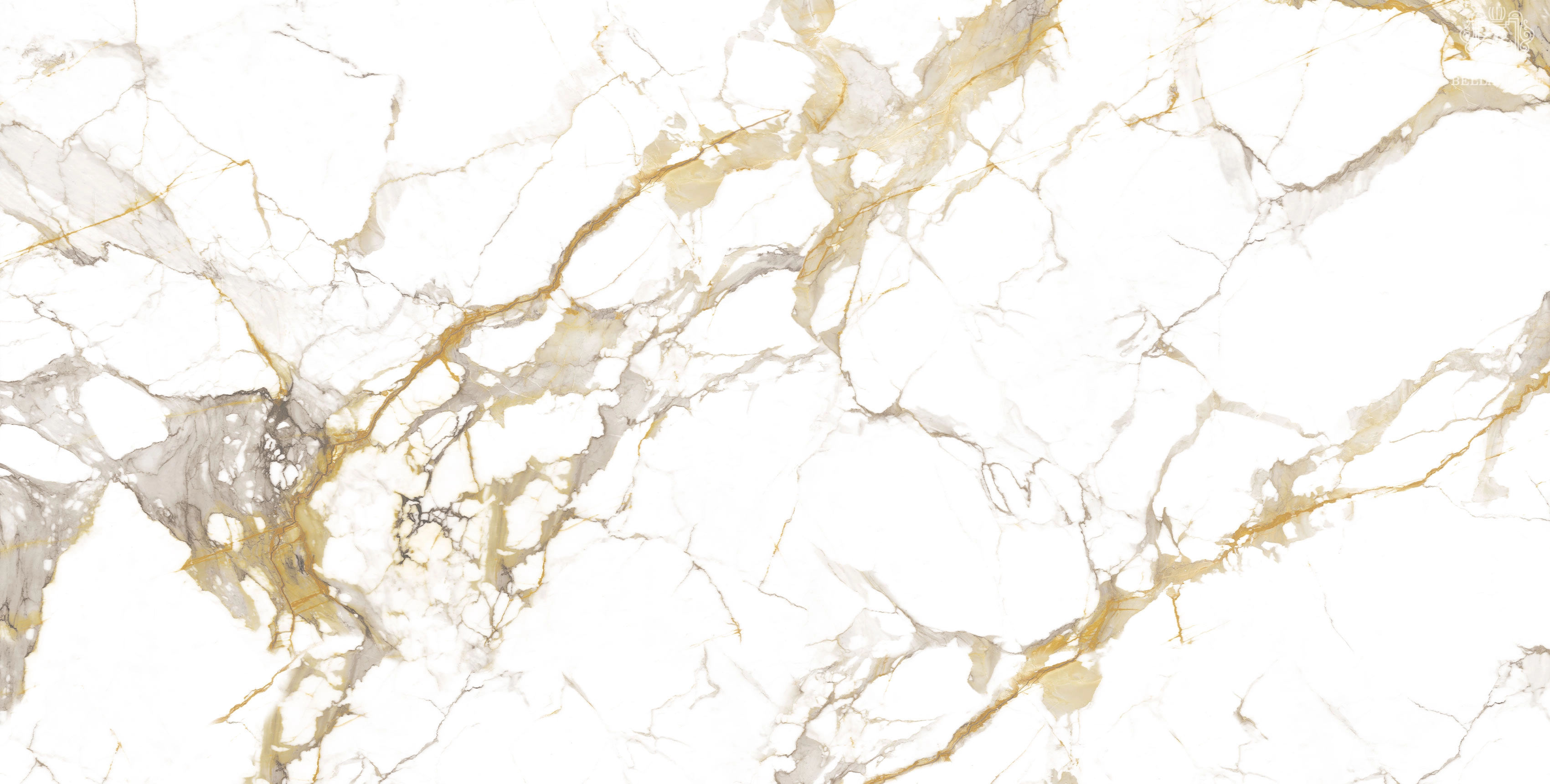


Whether you're exploring design trends or planning your next build, our team is here to support with product advice, pricing, and tailored solutions.
Rest assured that your privacy is important to us, and all information provided will be handled with the utmost confidentiality.
By clicking "Send Inquiry Now", I agree to your processing my personal data.
To see how to withdraw your consent, how to control your personal data, and how we process it, please see our Privacy Policy and Terms of Use.
Bellastone, Premium Quartz Manufacturer & Exporter
© 2025 BELLASTONE. All Rights Reserved. | Privacy Policy | Terms and Conditions | Sitemap
Facebook
Linkedin
YouTube