



How to measure and specify quartz slab thickness for projects?
- 1) How do I measure and specify quartz slab thickness for projects when cabinets are out of level or vary in height?
- 2) How to measure and specify slab thickness if I want a 'full 3cm' look without visible edge seams or laminations?
- 3) How do I measure and specify slab tolerances, seam gaps and flatness so installers don’t return with fit issues?
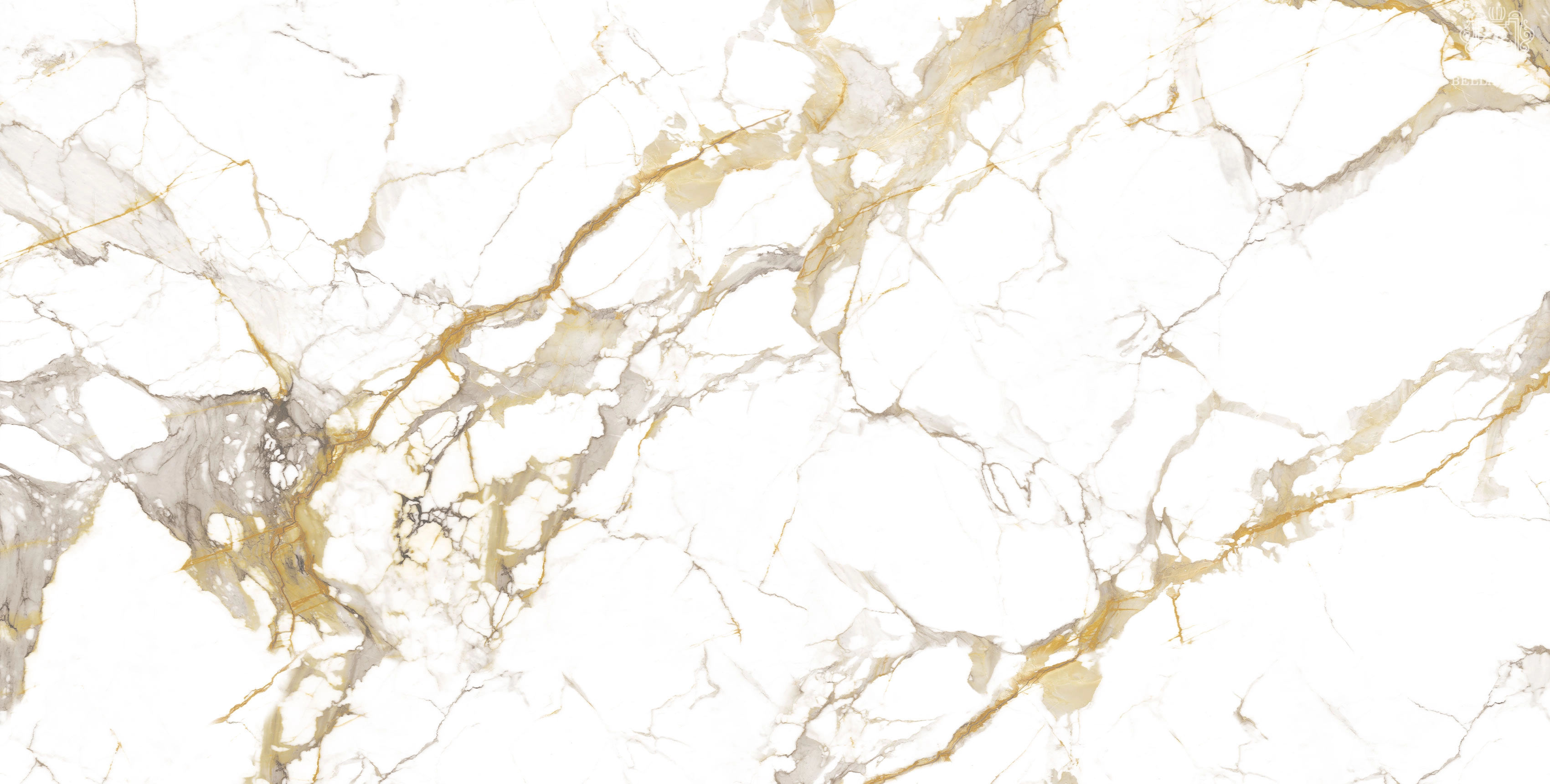
- 4) For white quartz countertops with strong veining or Calacatta-look patterns, how do I measure, specify, and ensure slab matching/bookmatching with minimal seam visibility?
- 5) How should I measure and specify slab thickness and reinforcement for undermount sinks, cooktop cutouts, and heavy accessories to avoid cracking or stress around cutouts?
- 6) How should I measure and specify quartz for exterior or sun-drenched spaces—do white quartz slabs need different thickness or specifications for UV and thermal expansion?
- Concluding summary: Advantages of correctly specified white quartz kitchen countertops and slab thickness
How to Measure and Specify White Quartz Kitchen Countertops & Slab Thickness
White quartz kitchen countertops are prized for their durable, non-porous surface, predictable color, and low-maintenance care. This article answers six specific, advanced questions beginners and specifying professionals ask when buying and specifying quartz slabs—focusing on accurate measurement, slab selection, tolerances, seam management, and mitigation of common installation problems. The guidance below is practical, reflects current fabrication practices, and includes specimen spec language to copy into project documents.
1) How do I measure and specify quartz slab thickness for projects when cabinets are out of level or vary in height?
Problem: Uneven cabinets create issues for flat, continuous countertops. If you don’t account for these differences early, installers will need excessive scribe strips, tall backsplash gaps, or lippage between sections.
Step-by-step approach:
- Survey and record cabinet heights at multiple points. Use a calibrated laser level and a digital level to map cabinet top elevations across the entire run in mm (or inches). Mark the maximum and minimum elevations.
- Decide the finished countertop thickness and edge profile first (typical quartz slab thicknesses are 20mm and 30mm; some projects use 12mm panels with laminated edges or built-up mitered edges). Thicker profiles (30mm or a laminated 20mm + 20mm miter) are more forgiving visually for small height differences.
- Include a maximum allowed variation clause in specs. A common acceptance tolerance: after installation, final countertop plane must not deviate more than 3mm across a 1m length and no more than 5mm across the total run. (Adjust these numbers to match local contractor standards.)
- Specify scribe/trim and reveal strategy: if cabinet variance exceeds tolerance, require on-site shim pack and 3–5mm wooden scribe strips to be used at the back only; finished exposed edges must be factory edge to avoid site-finished edges showing color differences.
Sample spec language to include in drawings:
COUNTERTOP THICKNESS & LEVELING: Supply and install engineered quartz countertop in white finish, 20mm or 30mm as indicated. Contractor to verify cabinet top elevations. Maximum allowable variation in installed finished plane: 3mm per 1m. Where cabinet variance exceeds tolerance, submit leveling plan and propose concealed shims behind backsplash. No site-sanded visible edges permitted.
Why this matters: Specifying acceptable tolerances and a leveling method eliminates disagreements during installation and helps maintain the clean look of white quartz kitchen countertops—especially where slight height differences would otherwise create visible seams or stepped surfaces.
2) How to measure and specify slab thickness if I want a 'full 3cm' look without visible edge seams or laminations?
Problem: Clients want the visual impact of a 30mm (3cm) edge but you might only have 20mm stock on site, or the fabricator proposes mitered edges that can show seams and hairline variations.
Options and measurement considerations:
- Order true 30mm slabs when budget and availability allow. Many engineered quartz producers supply true 30mm slabs; confirm availability and slab yield (slab dimensions and usable area) before ordering.
- If using 20mm slab, specify a laminated edge (20mm face plus 20mm vertical lamination) or a 45° miter. Measure and specify factory bonding tolerances: factory-laminated edges should have seam gaps ≤ 0.5mm and a color-match adhesive. For miters, require that the fabricator achieve an invisible miter seam tolerance of ≤ 0.5mm after polishing.
- If specifying a mitered build-up to simulate 30mm, require clamps and jig fixtures during factory bonding; field-mitering is discouraged for white quartz because small color/veining mismatch is more visible on white surfaces.
Spec language example:
EDGE PROFILE: Provide full-thickness 30mm engineered quartz where noted. If 30mm stock unavailable, provide factory-fabricated laminated 20mm + 20mm or factory 45° miter to achieve full 30mm thickness. Bonded seams must not exceed 0.5mm; color-match adhesive and factory polishing required. Field-laminations not permitted for exposed edges.
Why this matters: White quartz surfaces accentuate small seam and color differences. Specifying factory solutions and clear seam tolerances prevents visible joints and guarantees the solid, monolithic look clients expect for white quartz kitchen countertops.
3) How do I measure and specify slab tolerances, seam gaps and flatness so installers don’t return with fit issues?
Problem: Fabricator and installer disputes often stem from vague specs about acceptable slab thickness variation, seam widths, and surface flatness.
Key measurable items and recommended tolerances (industry-practice ranges):
- Slab thickness tolerance: specify ±0.5–1.0 mm from nominal thickness (20mm or 30mm). Verify at multiple points with a digital caliper across each slab prior to templating.
- Planarity/flatness: define maximum gap under a 1m straight edge: typically ≤ 1.5–3.0 mm across 1m length for an installed run. Record measurements during site mock-up.
- Seam gap tolerance: specify the maximum acceptable visible seam once adhesive is cured. Good practice: ≤ 0.5–1.0 mm for high-quality work; specify epoxy color and finish to match polished surface. The smaller the color contrast of the white quartz, the more critical seam width is.
- Thermal or warp tolerance for cutouts: for long spans over cabinets, specify mid-span support if span exceeds manufacturer guidelines.
Measurement tools and processes:
- Digital calipers for thickness at five points per slab (corners and center).
- 1–2m certified straight-edge and feeler gauges for flatness across the slab in both directions.
- Laser level to verify installed plane vs. adjoining walls/backsplashes.
- Photographic log and signed acceptance before templating and cutting.
Spec language samples to prevent disputes:
ACCEPTANCE: Contractor to verify slab thickness at five points per slab using digital caliper. Thickness tolerance: ±0.75mm. Installed countertop planarity to not exceed 2mm under a 1m straight-edge. Seam final gap tolerance ≤ 0.75mm; adhesive and color to be matched to the quartz finish. Submit slab test reports prior to templating.
4) For white quartz countertops with strong veining or Calacatta-look patterns, how do I measure, specify, and ensure slab matching/bookmatching with minimal seam visibility?
Problem: White slabs with dramatic veining (marble-look quartz) require slab matching and careful seam placement. Poor planning produces mismatched veins and visible pattern breaks at seams.
Detailed process:
- Slab selection: Require client or designer to approve actual slabs in person at the yard. For pronounced veining, record slab ID numbers, orientation (which edge will face the front), and cut lines using photos and templates.
- Bookmatching or vein alignment: Specify whether bookmatch, slip-match or random placement is required. Provide diagram on the fabrication order showing bookmatch seams and seam orientation. Measure the slab yield to ensure enough contiguous area for continuous veins—vein continuity often requires using panels from the same slab or consecutive slabs from the same lot.
- Seam placement: locate seams in less visually prominent areas (for islands, prefer seams at center where they can be made symmetrical or placed at sink/cooktop islands to minimize visual distraction). Provide coordinates relative to end walls or cabinetry to remove ambiguity.
- Thickness and edge considerations: for dramatic veins, a 30mm profile reduces visual seam prominence; specify factory edging and matched polishing that follows the vein direction.
Spec language:
SLAB MATCHING: For veined white quartz, submit slab photos and IDs for approval prior to cutting. Bookmatch seams where indicated on drawings. Seams to maintain vein continuity with maximum seam gap ≤ 0.5mm. No substitution of slab lot without written approval.
Why this matters: White quartz with veining is popular because it removes the maintenance issues of natural marble while preserving the look. However, without strict slab-matching rules, seams become highly visible and ruin the intended aesthetic of the veined pattern.
5) How should I measure and specify slab thickness and reinforcement for undermount sinks, cooktop cutouts, and heavy accessories to avoid cracking or stress around cutouts?
Problem: Cutouts concentrate stress; using the wrong thickness or neglecting reinforcement can cause chipping or fractures—especially on white quartz where chips are noticeable.
Practical specification steps:
- Prefer thicker slabs or laminated builds where multiple large cutouts are required in a single run. For numerous or large undermount sinks and integrated drainboards, consider 30mm slab or a 20mm slab with reinforced substrate (plywood or steel) specified under the cutout area.
- Template method: require fabricators to perform a final template after appliances and sinks are in place. Do not accept field guesses; all cutouts must be templated using the supplied undermount sink and fixture components.
- Backer and support: specify continuous plywood substrate (marine-grade plywood or approved backer board) under the quartz, adhered across the cabinet to support the top and distribute loads. For islands with large overhangs or long unsupported spans, require mechanical supports (brackets, corbels) and limit unsupported spans per manufacturer recommendation.
- Edge finishing near cutouts: require eased/rounded edges on sink cutout rims (typically 1–2mm radius) to reduce stress risers that can lead to chipping.
Sample spec excerpt:
CUTOUTS & SUPPORT: All undermount sink and cooktop cutouts to be templated on-site with supplied fixtures. Provide 30mm slabs where a run contains two or more large cutouts within 600mm of each other, or provide engineered plywood backer and mechanical supports as indicated. Eased edge radius 1–2mm at cutouts. Fabricator responsible for recommended reinforcement; no structural loads to be carried by quartz edge alone.
Why this matters: Correct pre-planning, thickness selection and reinforcement prevent costly on-site breakage. White quartz shows chips and repairs clearly, so build-in the right thickness and support strategy early.
6) How should I measure and specify quartz for exterior or sun-drenched spaces—do white quartz slabs need different thickness or specifications for UV and thermal expansion?
Problem: Many engineered quartz products contain polymer resins that can yellow or change under long-term UV exposure. Additionally, thermal expansion in direct sun can cause movement issues and seam failure if not designed properly.
Guidance:
- Check manufacturer suitability: most engineered quartz is intended for interior use. Before specifying quartz for an exterior installation or in spaces with direct, prolonged sunlight (e.g., sunrooms with large glass exposures), request the manufacturer’s UV and outdoor-exposure performance statement. If the manufacturer does not guarantee UV stability, specify an alternative material (porcelain slabs or natural stone engineered for outdoor use).
- Thermal movement: specify expansion joints at perimeter conditions and at long runs. Typical practice: install a 3–5mm flexible joint between quartz and rigid vertical surfaces (backsplash, masonry) where thermal movement is expected. Require adhesive compatible with quartz and UV-stable if exposure will occur.
- Seam adhesives and color stability: for areas with high UV/thermal load, require UV-resistant adhesives and epoxy. Standard indoor epoxies can yellow or fail under repeated thermal cycling.
- Thickness and overhangs: while thickness does not alone prevent UV yellowing, using 30mm where mechanical stress is expected improves stiffness and reduces the risk of thermal-related micro-movement at seams. However, the primary mitigation is selecting a UV-stable product.
Spec language:
OUTDOOR/SUNLIT INSTALLS: Use only quartz products with manufacturer-stated UV stability for continuous exterior exposure. Where exposed to direct sunlight through glazing, provide manufacturer certification of colorfastness and thermal cycling data. Provide flexible perimeter joints of 3–5mm to accommodate thermal expansion. Use UV-stable adhesives and sealants.
Why this matters: White quartz surface can be prone to resin discoloration under UV. Specifying the right product and detailing for thermal movement prevents premature color shifts, seam failures, and warranty denials.
Concluding summary: Advantages of correctly specified white quartz kitchen countertops and slab thickness
When you specify the right quartz slab thickness, slab matching, seam tolerances, and reinforcement strategy, white quartz kitchen countertops deliver a durable, low-maintenance, non-porous surface with consistent color and veining—ideal for kitchens where stain resistance and hygiene matter. Correct thickness selection (20mm vs 30mm) and factory edge work produce a High Quality, monolithic appearance; strict slab selection and matching preserve veining continuity; and careful templating, support and adhesive choices avoid on-site failures. By embedding clear measurement and tolerance requirements in your spec, you reduce disputes, maintain finish quality, and ensure a long-lasting installation.
For project-specific templates, sample spec text, or a quotation on white quartz kitchen countertops and slab sizing, contact us for a quote at www.gdbellastone.com or email info@gdbellastone.com.


FAQ
Which is more expensive, artificial quartz stone or natural stone?
If we only consider the purchase price per square meter, artificial quartz stone is usually more expensive than ordinary granite but cheaper than top-grade marble. However, considering the total cost over the long term, the cost-effectiveness of durable artificial quartz stone that requires no maintenance may be higher; whereas marble, which requires regular professional maintenance, may be more expensive in terms of long-term total expenditure.
Is quartz countertop durable?
Excellent physical properties, sturdy and wear-resistant
Key advantages in daily use: scratch resistance, stain resistance, and high temperature resistance
It stands out more in terms of durability compared to common countertop materials such as natural marble and granite
No special maintenance is required, and it is easy to clean. With normal use and maintenance, its aesthetics and functionality can be maintained for decades.
What is the minimum order quantity?
Minimum order quantity: 30 pieces.
Printed Artificial Quartz Stone
What is printed quartz stone?
Printed quartz stone is an engineered quartz slab with high-definition printed surface patterns that simulate natural stone aesthetics while maintaining quartz performance.
How does printed quartz compare to natural marble?
Printed quartz offers better consistency, lower maintenance, and higher resistance to stains and scratches, while delivering a similar visual effect.





Whether you're exploring design trends or planning your next build, our team is here to support with product advice, pricing, and tailored solutions.
Rest assured that your privacy is important to us, and all information provided will be handled with the utmost confidentiality.
By clicking "Send Inquiry Now", I agree to your processing my personal data.
To see how to withdraw your consent, how to control your personal data, and how we process it, please see our Privacy Policy and Terms of Use.
Bellastone, Premium Quartz Manufacturer & Exporter
© 2025 BELLASTONE. All Rights Reserved. | Privacy Policy | Terms and Conditions | Sitemap
Facebook
Linkedin
YouTube