



Why choose white quartz kitchen countertops for high-end kitchens?
- Why choose white quartz kitchen countertops for high‑end kitchens?
- 1. What are the technical advantages of white quartz versus natural stone (marble, granite)?
- 2. What is white quartz made of, and what manufacturing factors affect quality?
- 3. What finishes, patterns, and color options are best for luxury kitchens?
- 4. How should buyers inspect and select white quartz slabs and samples?
- 5. What are the fabrication and installation considerations for high‑end white quartz countertops?
- 6. How do white quartz countertops perform long‑term — maintenance, heat, scratch, and stain resistance?
- 7. What is the typical cost and procurement timeline for high‑end white quartz slabs?
- Quick procurement checklist for buying white quartz slabs (for specifiers and purchasers)
- Certifications and test data to request from suppliers
- BELLASTONE: Why choose this brand for high‑end white quartz projects
- References and data sources (access dates included)
Why choose white quartz kitchen countertops for high‑end kitchens?
White quartz is an engineered stone made by combining natural quartz crystals with polymer resins and pigments. For high‑end kitchens, white quartz delivers a luxury aesthetic (clean, bright, versatile), extremely consistent color and pattern control, high stain and scratch resistance, and lower maintenance than many natural stones. These properties make it a top choice for designers, fabricators, and buyers who want a High Quality look without the long‑term care overhead of untreated natural marble.
1. What are the technical advantages of white quartz versus natural stone (marble, granite)?
- Consistency: Engineered quartz is produced in slabs that provide consistent color and pattern across batches, which is critical for large islands, waterfall edges, and matched seams in high‑end projects.
- Low porosity: Quartz is non‑porous (resin‑bonded), so it resists staining from wine, oils, and food better than most marbles and some granites, reducing the need for sealers.
- Durability: High quartz content gives good hardness and abrasion resistance—less prone to chipping than soft marbles, and generally comparable to granite for everyday kitchen use.
- Maintenance: No regular sealing; routine cleaning with mild detergent suffices. This lowers lifecycle maintenance for busy upscale kitchens.
- Thermal and UV limits: Engineered quartz is heat resistant for normal kitchen use but can be damaged by extreme direct heat (hot pans). UV exposure can cause certain resin formulations and pigments to yellow over time—so not all quartz is recommended for outdoor kitchens.
2. What is white quartz made of, and what manufacturing factors affect quality?
- Typical composition: Most engineered quartz slabs contain roughly 90–95% natural quartz aggregate bound by about 5–10% polymer resin and pigments. The exact ratio and the quality of raw quartz and resin systems directly affect performance, color stability, and machinability.
- Manufacturing variables that matter: raw quartz purity, vibration/compaction process, resin type (UV‑stable resins for outdoor use), pigment dispersion, and curing protocols. High Quality manufacturers invest in tight quality control, vacuum vibrocompression (to reduce porosity), and optical pigmentation to create realistic veins and depth in white surfaces.
- What to ask suppliers: request a Material Safety and Technical Data Sheet (TDS), composition percentages, resin type (UV‑stability), and production tolerances. For high‑end projects, ask for lot tracking so you can match slabs from the same production batch.
3. What finishes, patterns, and color options are best for luxury kitchens?
- Finishes: Polished (high gloss) for maximum reflectivity and contemporary luxury; honed/matte for softer, modern looks; leathered or textured finishes for tactile sophistication.
- Patterns: Pure white (minimal veining) for minimalist luxury; soft veining that mimics Calacatta or Carrara marble for classical elegance; bold contrasting veins for statement islands. Engineered quartz allows precise vein placement and bookmatching in some collections.
- Customization: High‑end fabricators can request bookmatched slabs, continuous vein runs across islands and countertops, or integrated backslashes and waterfall edges. Consider slab size and vein direction when specifying layouts to ensure visual continuity.
4. How should buyers inspect and select white quartz slabs and samples?
- View full slabs, not only small samples: Small samples don’t show veining scale, surface texture, or potential color variation. For visible slabs request full‑size slab photos or in‑person inspection.
- Match lots: For multiple slabs on the same project (island + perimeter), request slabs from the same production lot to minimize variance. Mark slab sequence for the fabricator.
- Check slab parameters: thickness (20 mm / 30 mm), slab dimensions, edge straightness, resin fill spots, any repairs, and backing consistency.
- Inspect under good lighting: See appearance under both daylight and typical interior lighting used in the kitchen. Some pigments behave differently under warm vs cool light.
- Ask for QA documentation: Certificates, warranty terms, and a record of production batch/lot numbers.
5. What are the fabrication and installation considerations for high‑end white quartz countertops?
- Thickness decision: 30 mm (3 cm) slabs are common for a substantial luxury look and easier fabrication for long overhangs and waterfall details. 20 mm (2 cm) is lighter and may require plywood backing or laminated edges for similar visual weight.
- Seaming: Minimize seams where possible. Use color‑matched epoxy and skilled seamers for invisible joints. Plan seam positions in templating—avoid seams on islands’ primary viewing faces.
- Waterfall and mitered edges: Waterfall edges use full‑height slabs—verify slab length. Mitered laminated edges create a thick look using 20 mm slabs but require precise joints.
- Undermount sinks: Require proper reinforcement of substrate and precise templating. Consider integrated sinks or prefabricated undermount systems recommended by the fabricator.
- Fabrication lead time: For custom cuts, bookmatching, and complex edges, allow extra lead time (commonly 2–6 weeks depending on shop workload and shipping). High‑end projects may require longer for custom slabs or special finishes.
- Installer coordination: Coordinate cabinetry completion, appliance locations, and plumbing before templating. High‑end designs often integrate appliances flush with countertops—precise tolerances matter.
6. How do white quartz countertops perform long‑term — maintenance, heat, scratch, and stain resistance?
- Maintenance: Non‑porous surfaces need only soap and water or pH‑neutral cleaners. Avoid harsh abrasive powders and prolonged exposure to strong alkalis/acids to protect the resin.
- Heat: Engineered quartz tolerates normal kitchen heat but is not impervious to thermal shock. Use trivets or hot pads—direct contact with very hot pans (200–300°C) can discolor or damage resin.
- Scratch resistance: Quartz is scratch‑resistant but not scratch‑proof—use cutting boards to protect both surface and knives.
- Stains and discoloration: Most common kitchen stains are easily removed. Some white/light pigments can show discoloration from aggressive chemicals; follow manufacturer care instructions. UV exposure risk: many resin systems can yellow outdoors—ask the manufacturer if a specific product is UV‑stable for outdoor use.
- Lifespan and warranty: With normal residential use, engineered quartz will provide many decades of service. Many High Quality producers and fabricators back surfaces with warranties (commonly 10 years for residential limited warranties); confirm warranty scope and transferability.
7. What is the typical cost and procurement timeline for high‑end white quartz slabs?
- Cost: Installed prices vary widely by brand, slab complexity, edge detail, fabrication and regional labor. Typical installed ranges: general market $50–$150 per sq ft; High Quality/luxury brands and custom fabrication can reach $100–$200+ per sq ft. Exact pricing depends on slab selection, edge profile, sinks, backsplashes, and ship/fabrication costs.
- Procurement timeline: From sample selection to final installation commonly 3–8 weeks. For special ordered slabs, bookmatching, imported slabs, or peak fabrication schedules allow 6–12+ weeks. Always confirm lead times with slab supplier and fabricator early in the project timeline.
- Procurement tips: order extra material (typically 5–15% over measured area) to allow for matching, waste, cutouts, and future repairs. For waterfall islands and continuous runs, order larger slab dimensions or multiple slabs from the same lot.
Quick procurement checklist for buying white quartz slabs (for specifiers and purchasers)
- Obtain full slab photos or inspect slabs in person.
- Confirm production lot number and request lot matching for multiple slabs.
- Request TDS and warranty documentation; verify resin UV stability if outdoor use is considered.
- Specify slab thickness (20 mm vs 30 mm) and edge profile; confirm whether mitering is needed for thicker look.
- Plan seam placement during templating; minimize seams on primary viewing faces.
- Allow sufficient lead time (3–8 weeks typical; 6–12+ weeks for custom or imported slabs).
- Budget for installed cost including sinks, backsplashes, complex edges, and delivery/installation.
- Request certificates: NSF/ANSI (if applicable for food contact), GREENGUARD, and the manufacturer’s warranty statement.
Certifications and test data to request from suppliers
For a high‑end specification ask for:
- Technical Data Sheet (TDS) with composition and physical properties (flexural strength, water absorption).
- Safety Data Sheet (SDS) for handling and resin safety info.
- Any third‑party certifications: GREENGUARD (low VOC), NSF/ANSI (food contact where applicable), and manufacturer warranty documentation.
- Information on production lot traceability and quality control processes.
BELLASTONE: Why choose this brand for high‑end white quartz projects
BELLASTONE specializes in High Quality engineered quartz slabs with rigorous lot control, a wide selection of white and veined finishes, and fabrication partnerships that support complex bookmatching and waterfall installations. Key advantages:
- Consistent slab production and visible lot traceability for matched aesthetics.
- High‑quality resin systems selected for color stability and durability.
- Large slab inventory and flexible cutting schedules to meet designer timelines.
- Comprehensive documentation (TDS, SDS, warranty) and post‑sale support for installation and care.
For specifiers and procurement teams seeking both the refined look of white stone and the predictable performance required in high‑end kitchens, BELLASTONE offers a balance of aesthetic customization, material performance, and supply reliability.
References and data sources (access dates included)
- Caesarstone — What Is Engineered Stone? (composition and care) — accessed 2026‑02‑04. https://www.caesarstone.com
- Cambria — Care & Maintenance and Technical Information (warranty and care guidance) — accessed 2026‑02‑04. https://www.cambriausa.com
- Cosentino (Silestone) — Technical info: composition, UV considerations, finishes — accessed 2026‑02‑04. https://www.cosentino.com
- HomeAdvisor / Angi — Typical quartz countertop installed cost ranges and factors — accessed 2026‑02‑04. https://www.homeadvisor.com and https://www.angi.com
- Industry overview and manufacturing notes from multiple trade resources and fabricator guides — reviewed 2026‑02‑04.
Note: Always request manufacturer‑specific technical sheets and current warranty terms from your BELLASTONE representative or fabricator before final procurement. Product formulations and recommended uses can vary by producer and collection.


Care & Maintenace
Is Bellastone quartz heat-resistant?
Quartz is heat-resistant, but not heat-proof. Always use trivets or hot pads to protect the surface from direct heat or hot cookware.
How do I clean my quartz surface daily?
Simply use a soft cloth or sponge with mild soap and warm water. Avoid abrasive pads or harsh chemicals to maintain surface shine.
FAQ
What scenarios is it applicable to?
Kitchen countertops and island tops, bathroom vanity tops, wall decorations and feature walls, commercial interior design, restaurants and public buildings, residential renovation projects.
Can it be made into a finished product?
Yes, we support customization and installation.
Printed Artificial Quartz Stone
What is printed quartz stone?
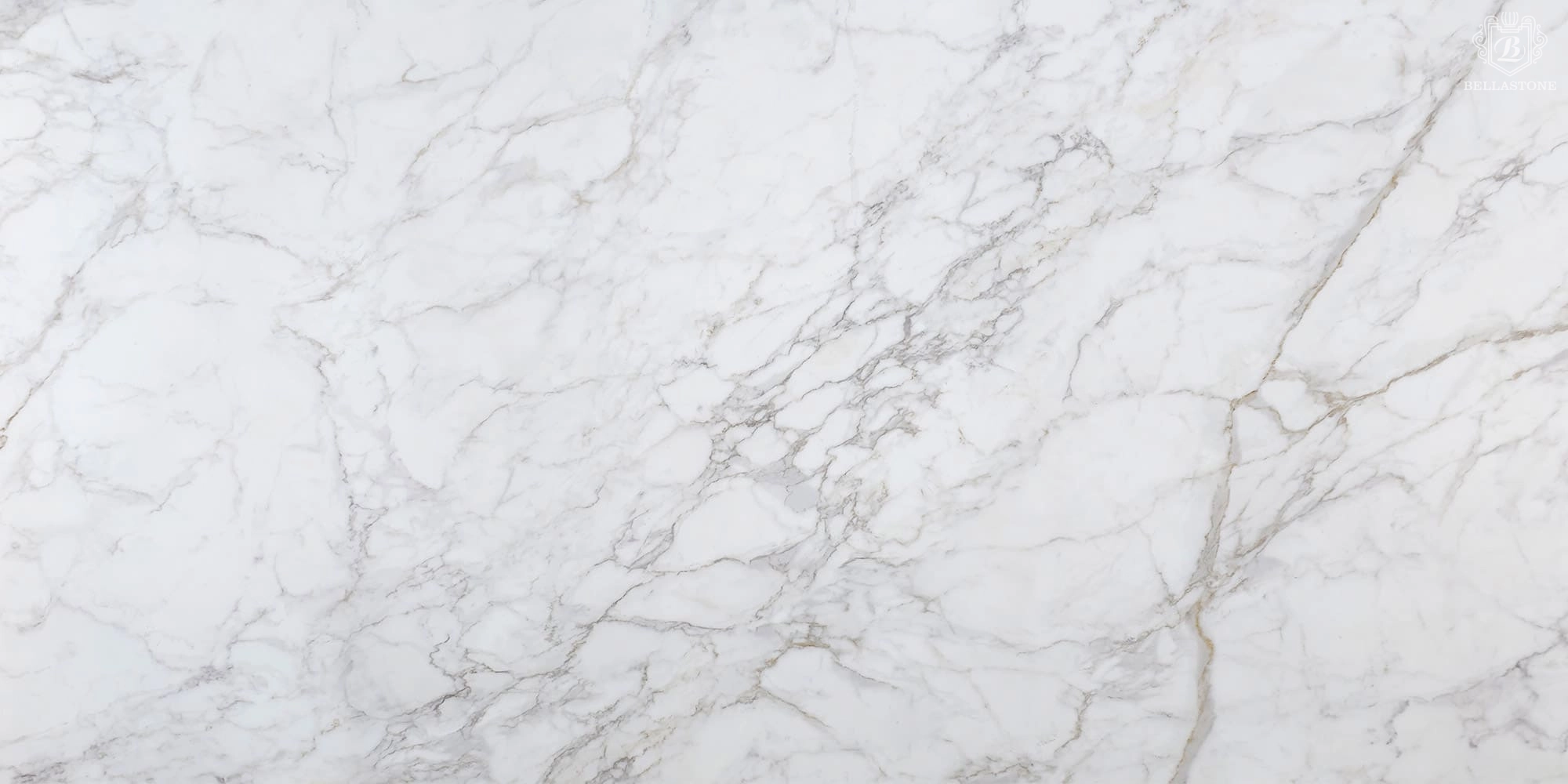
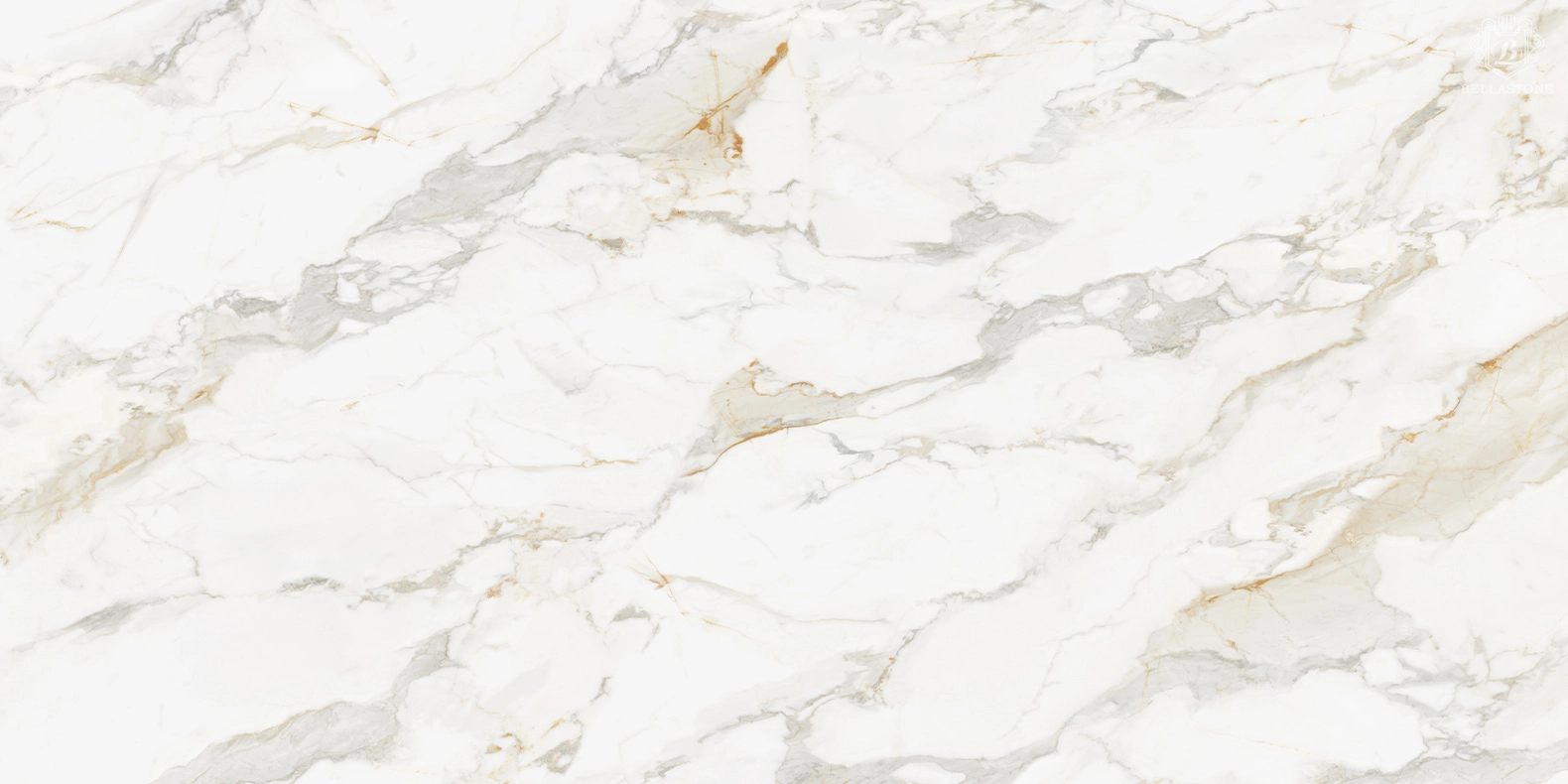
Printed quartz stone is an engineered quartz slab with high-definition printed surface patterns that simulate natural stone aesthetics while maintaining quartz performance.


Whether you're exploring design trends or planning your next build, our team is here to support with product advice, pricing, and tailored solutions.
Rest assured that your privacy is important to us, and all information provided will be handled with the utmost confidentiality.
By clicking "Send Inquiry Now", I agree to your processing my personal data.
To see how to withdraw your consent, how to control your personal data, and how we process it, please see our Privacy Policy and Terms of Use.
Bellastone, Premium Quartz Manufacturer & Exporter
© 2026 BELLASTONE. All Rights Reserved. | Privacy Policy | Terms and Conditions | Sitemap
Facebook
Linkedin
YouTube