



What lead times are typical for commercial quartz slab orders?
- Understanding Quartz Slab Procurement: Key Considerations for Industry Professionals
- 1. What are the typical lead times for commercial quartz slab orders?
- 2. How can I ensure the quality of the quartz slabs I purchase?
- 3. What factors influence the cost of quartz slabs?
- 4. Are there any supply chain challenges affecting quartz slab availability?
- 5. How can I coordinate my project schedule with quartz slab delivery?
- 6. What are the current market trends in quartz slab demand?
- 7. How do I choose between different quartz slab suppliers?
- 8. What are the advantages of choosing BELLASTONE for my quartz slab needs?
Understanding Quartz Slab Procurement: Key Considerations for Industry Professionals
When sourcing quartz slabs for your projects, it's essential to be informed about various factors that can influence your procurement process. Below are some frequently asked questions and their answers to guide you through the process.
1. What are the typical lead times for commercial quartz slab orders?
Lead times for quartz slab orders can vary based on several factors:
Standard Orders: For readily available quartz slabs, the lead time is typically between 2 to 4 weeks.
Special Orders or Custom Designs: If you're opting for special colors, finishes, or custom designs, the lead time may extend to 4 to 6 weeks.
Imported Slabs: Ordering imported quartz slabs, especially from countries like China, can take 8 to 12 weeks, accounting for production, international shipping, and customs clearance.
It's advisable to plan ahead and communicate with your supplier to ensure timely delivery.
2. How can I ensure the quality of the quartz slabs I purchase?
Ensuring the quality of your quartz slabs involves:
Supplier Reputation: Choose suppliers with a proven track record and positive reviews.
Certifications: Look for slabs that meet industry standards and certifications.
Sample Inspection: Always inspect samples before placing a bulk order to assess color consistency, pattern, and finish.
Warranty and Return Policy: Ensure the supplier offers a clear warranty and return policy in case of defects.
3. What factors influence the cost of quartz slabs?
The cost of quartz slabs can be influenced by:
Quality and Grade: Higher-grade slabs with unique patterns or colors are generally more expensive.
Size and Thickness: Larger and thicker slabs will cost more due to increased material usage.
Brand and Supplier: Renowned brands or suppliers may charge a premium for their products.
Customization: Special finishes, edge profiles, or custom designs can add to the overall cost.
4. Are there any supply chain challenges affecting quartz slab availability?
Yes, the quartz slab industry faces several supply chain challenges:
Raw Material Shortages: High-purity quartz is primarily sourced from regions like Turkey, India, and Spain. Geopolitical instability or export restrictions in these areas can impact global supply.
Energy Costs: The production of quartz slabs is energy-intensive, with electricity constituting a significant portion of production costs. Fluctuations in energy prices can affect overall costs.
Transportation Volatility: Shipping delays, port congestion, and transportation issues can lead to longer lead times and increased costs.
5. How can I coordinate my project schedule with quartz slab delivery?
To align your project timeline with quartz slab delivery:
Establish a Delivery Milestone Calendar: Create a clear timeline with key milestones, from design finalization to installation.
Regular Communication: Maintain open communication with your supplier for updates on order status.
Buffer Planning: Add extra time to your schedule to account for unforeseen delays.
Contingency Planning: Identify alternative suppliers or materials in case of significant disruptions.
6. What are the current market trends in quartz slab demand?
The demand for quartz slabs is experiencing growth due to:
Residential Renovations: Homeowners prefer quartz for its durability and aesthetic appeal in kitchen and bathroom remodels.
Commercial Construction: Businesses opt for quartz in high-traffic areas like hotel lobbies and office spaces due to its resilience.
Sustainability Trends: Quartz is considered a sustainable option compared to some natural stones, driving its adoption.
7. How do I choose between different quartz slab suppliers?
When selecting a quartz slab supplier:
Assess Product Range: Ensure they offer a variety of colors, patterns, and finishes to suit your project needs.
Evaluate Pricing: Compare prices to ensure they align with your budget without compromising quality.
Check Delivery Capabilities: Confirm they can meet your required lead times and delivery schedules.
Review Customer Service: Responsive and knowledgeable customer service can make the procurement process smoother.
8. What are the advantages of choosing BELLASTONE for my quartz slab needs?
BELLASTONE offers several benefits:
Extensive Product Selection: A wide range of high-quality quartz slabs in various designs.
Competitive Pricing: Affordable options without compromising on quality.
Reliable Delivery: Consistent and timely delivery schedules to meet project timelines.
Exceptional Customer Support: Dedicated team to assist with selection, ordering, and post-purchase inquiries.
By considering these factors and partnering with a reputable supplier like BELLASTONE, you can ensure a successful procurement process for your quartz slab needs.
References:


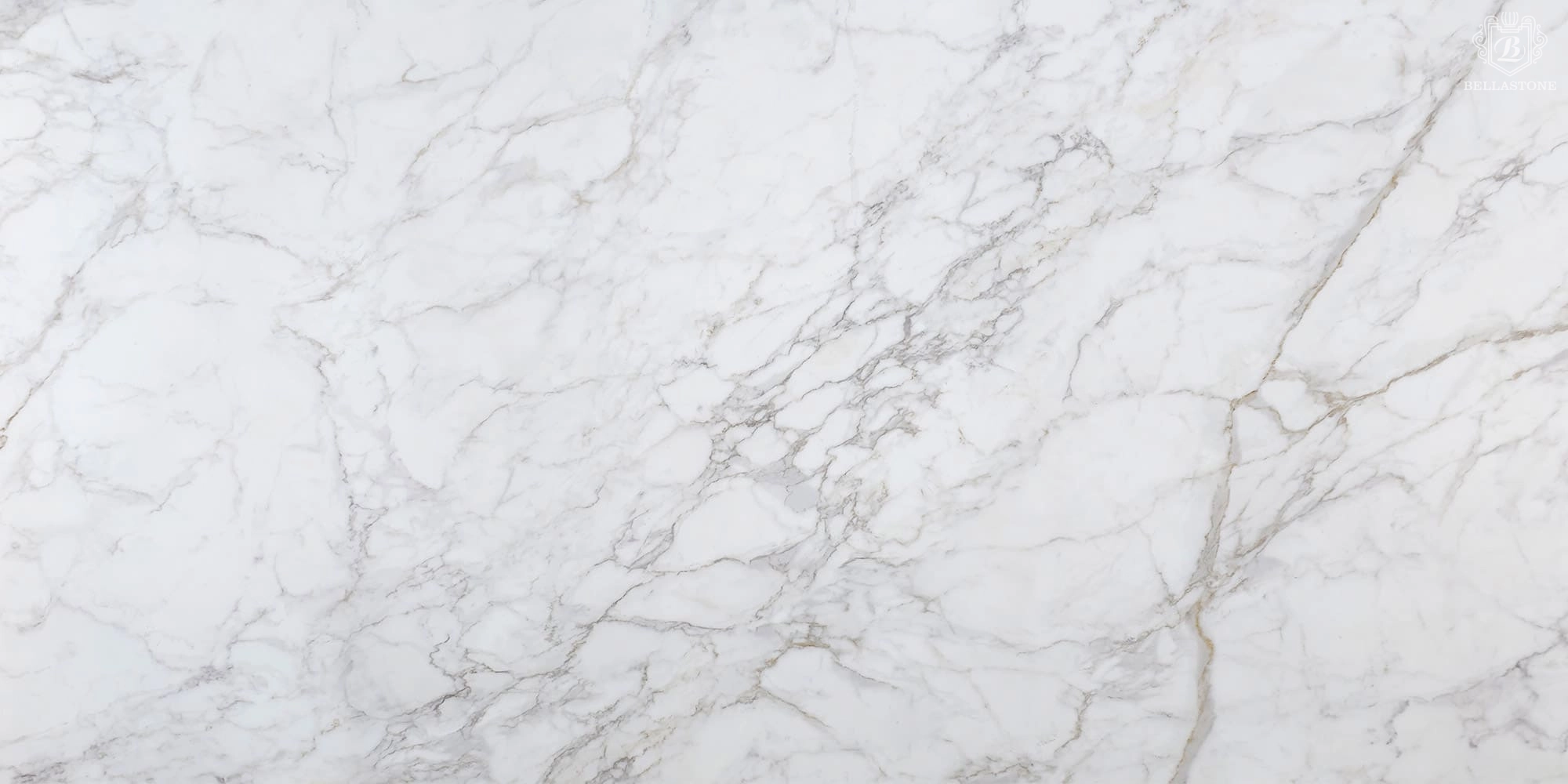
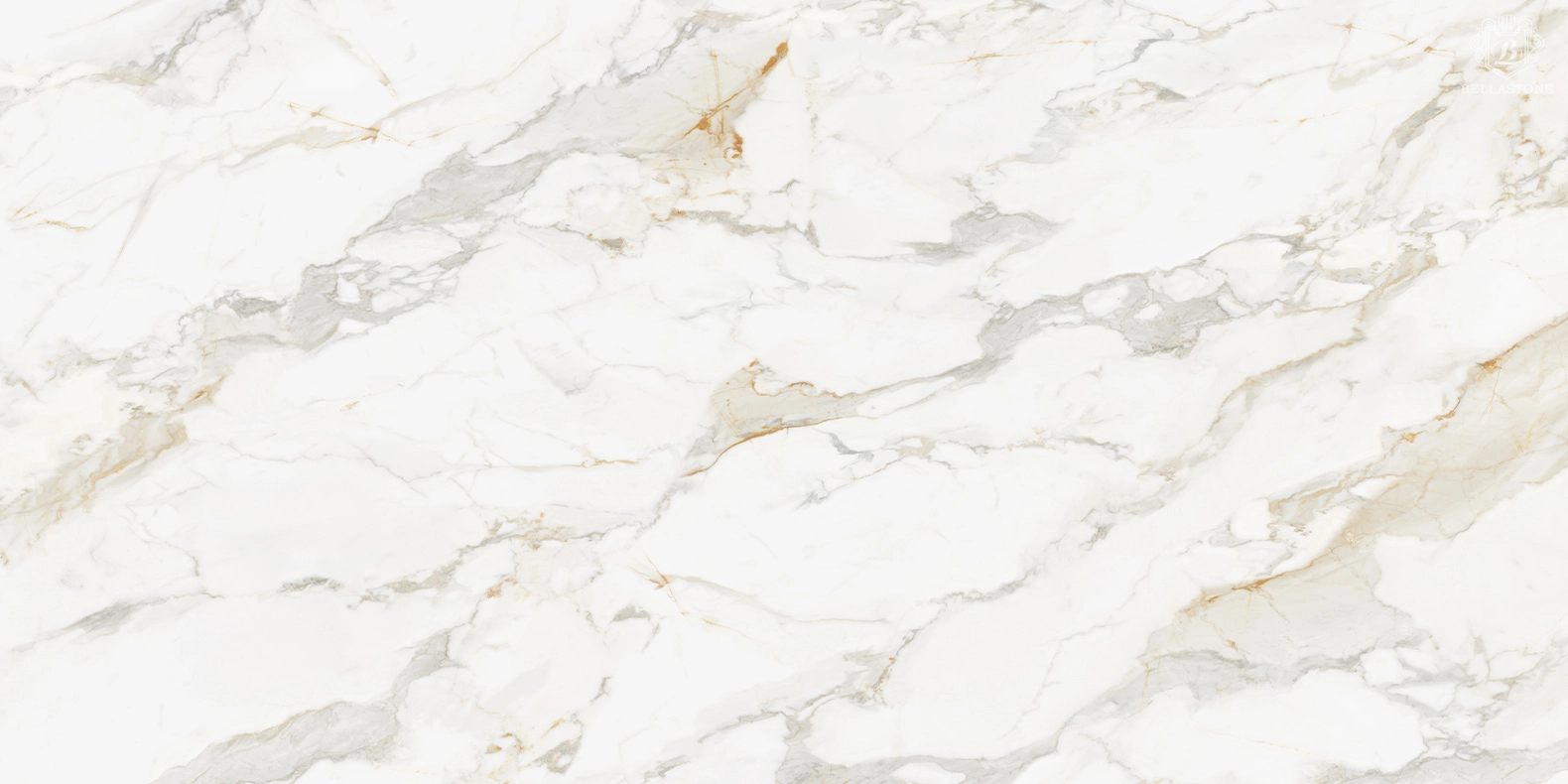
Printed Artificial Quartz Stone
How does printed quartz compare to natural marble?
Printed quartz offers better consistency, lower maintenance, and higher resistance to stains and scratches, while delivering a similar visual effect.
FAQ
Which is more expensive, artificial quartz stone or natural stone?
If we only consider the purchase price per square meter, artificial quartz stone is usually more expensive than ordinary granite but cheaper than top-grade marble. However, considering the total cost over the long term, the cost-effectiveness of durable artificial quartz stone that requires no maintenance may be higher; whereas marble, which requires regular professional maintenance, may be more expensive in terms of long-term total expenditure.
Can it be made into a finished product?
Yes, we support customization and installation.
What scenarios is it applicable to?
Kitchen countertops and island tops, bathroom vanity tops, wall decorations and feature walls, commercial interior design, restaurants and public buildings, residential renovation projects.
Care & Maintenace
Is Bellastone quartz heat-resistant?
Quartz is heat-resistant, but not heat-proof. Always use trivets or hot pads to protect the surface from direct heat or hot cookware.


Whether you're exploring design trends or planning your next build, our team is here to support with product advice, pricing, and tailored solutions.
Rest assured that your privacy is important to us, and all information provided will be handled with the utmost confidentiality.
By clicking "Send Inquiry Now", I agree to your processing my personal data.
To see how to withdraw your consent, how to control your personal data, and how we process it, please see our Privacy Policy and Terms of Use.
Bellastone, Premium Quartz Manufacturer & Exporter
© 2026 BELLASTONE. All Rights Reserved. | Privacy Policy | Terms and Conditions | Sitemap
Facebook
Linkedin
YouTube