



What testing methods detect quartz slab defects?
- Comprehensive Guide to Purchasing Quartz Slabs: Key Considerations and Quality Assurance
- 1. What Are Quartz Slabs and Their Common Applications?
- 2. How Do I Assess the Quality of Quartz Slabs?
- 3. What Are the Common Defects in Quartz Slabs?
- 4. What Testing Methods Are Used to Detect Defects in Quartz Slabs?
- 5. How Do I Choose a Reputable Supplier for Quartz Slabs?
- 6. What Are the Maintenance Requirements for Quartz Slabs?
- 7. What Are the Environmental Considerations When Purchasing Quartz Slabs?
- 8. How Does BELLASTONE Ensure the Quality of Its Quartz Slabs?
Comprehensive Guide to Purchasing Quartz Slabs: Key Considerations and Quality Assurance
When considering the purchase of quartz slabs, it's crucial to understand various factors that influence quality, durability, and aesthetic appeal. This guide addresses common questions and provides expert insights to assist in making informed decisions.
1. What Are Quartz Slabs and Their Common Applications?
Quartz slabs are engineered surfaces composed primarily of natural quartz crystals, combined with resins and pigments. They are renowned for their durability, low maintenance, and versatility, making them ideal for countertops, backsplashes, flooring, and wall cladding in both residential and commercial settings.
2. How Do I Assess the Quality of Quartz Slabs?
Evaluating the quality of quartz slabs involves several key steps:
Thickness Consistency: Measure the slab at multiple points using a vernier caliper to ensure uniform thickness, which is essential for structural integrity and aesthetic uniformity.
Surface Smoothness: Run your hand across the slab's surface to detect any microcracks, rough areas, or uneven textures. A smooth, even surface indicates a well-polished, high-quality slab.
Color and Pattern Consistency: Examine the slab for uniform color distribution and pattern consistency, as significant variations may affect the final appearance of the installation.
3. What Are the Common Defects in Quartz Slabs?
Common defects in quartz slabs include:
Cracks and Chips: Often result from manufacturing flaws or mishandling during transportation and installation.
Color Inconsistencies: Variations in color or pattern can occur due to uneven mixing of pigments or resins.
Surface Imperfections: Such as pits, voids, or rough patches, which may compromise the slab's aesthetic appeal and durability.
4. What Testing Methods Are Used to Detect Defects in Quartz Slabs?
Several non-destructive testing methods are employed to detect defects in quartz slabs:
Ultrasonic Testing: Utilizes high-frequency sound waves to detect internal flaws. Variations in the time it takes for the sound waves to travel through the material can indicate the presence of defects.
Ultrasonic Pulse Velocity Test: Measures the velocity of ultrasonic pulses passing through the slab to assess its quality and detect internal flaws.
Visual Inspection: A thorough visual examination can reveal surface defects such as cracks, chips, and color inconsistencies.
5. How Do I Choose a Reputable Supplier for Quartz Slabs?
Selecting a reputable supplier involves:
Researching Suppliers: Look for suppliers with positive customer reviews, a history of quality products, and transparent business practices.
Verifying Certifications: Ensure the supplier complies with industry standards and holds relevant certifications, indicating adherence to quality and safety protocols.
Requesting Samples: Before making a bulk purchase, request samples to assess the quality firsthand.
6. What Are the Maintenance Requirements for Quartz Slabs?
Quartz slabs are low-maintenance but require regular care to maintain their appearance:
Cleaning: Use warm water with mild soap and a soft cloth to clean the surface. Avoid harsh chemicals that can damage the resin.
Sealing: Unlike natural stone, quartz slabs do not require sealing due to their non-porous nature.
Avoiding Heat and Scratches: Use trivets for hot items and cutting boards to prevent damage.
7. What Are the Environmental Considerations When Purchasing Quartz Slabs?
When purchasing quartz slabs, consider the following environmental factors:
Sourcing Practices: Choose suppliers who source materials responsibly and adhere to ethical mining practices.
Manufacturing Processes: Opt for manufacturers who implement sustainable practices, such as reducing waste and energy consumption during production.
Recyclability: Quartz slabs are non-porous and can be recycled, reducing environmental impact.
8. How Does BELLASTONE Ensure the Quality of Its Quartz Slabs?
BELLASTONE is committed to providing high-quality quartz slabs by:
Rigorous Quality Control: Implementing strict quality control measures throughout the manufacturing process to ensure consistency and durability.
Advanced Testing Methods: Utilizing state-of-the-art testing techniques to detect and address any defects before products reach customers.
Customer Satisfaction: Offering comprehensive warranties and responsive customer service to address any concerns promptly.
By considering these factors and choosing a reputable supplier like BELLASTONE, you can ensure the selection of high-quality quartz slabs that meet your aesthetic and functional requirements.
References:


FAQ
How does quartz stone compare to natural marble?
Durability: Higher hardness (Mohs scale 7 vs. marble 3-5),
Stronger resistance to scratching and impact
Stability: It has almost zero water absorption rate, with no risk of infiltration or discoloration, while marble requires regular sealing and maintenance
Consistency: The color and texture are controllable, without obvious color differences and flaws found in natural stone materials
Hygienic: Compact and non-porous surface, antibacterial and mold-resistant, easy to clean, meets food contact safety standards
Economical: low long-term maintenance costs, longer service life, and better overall cost-effectiveness
Is quartz countertop durable?
Excellent physical properties, sturdy and wear-resistant
Key advantages in daily use: scratch resistance, stain resistance, and high temperature resistance
It stands out more in terms of durability compared to common countertop materials such as natural marble and granite
No special maintenance is required, and it is easy to clean. With normal use and maintenance, its aesthetics and functionality can be maintained for decades.
Printed Artificial Quartz Stone
What is printed quartz stone?
Printed quartz stone is an engineered quartz slab with high-definition printed surface patterns that simulate natural stone aesthetics while maintaining quartz performance.
Care & Maintenace
Is Bellastone quartz heat-resistant?
Quartz is heat-resistant, but not heat-proof. Always use trivets or hot pads to protect the surface from direct heat or hot cookware.
Do I need to seal Bellastone quartz?
No sealing is required. Quartz surfaces are non-porous, making them resistant to stains, moisture, and bacteria by design.
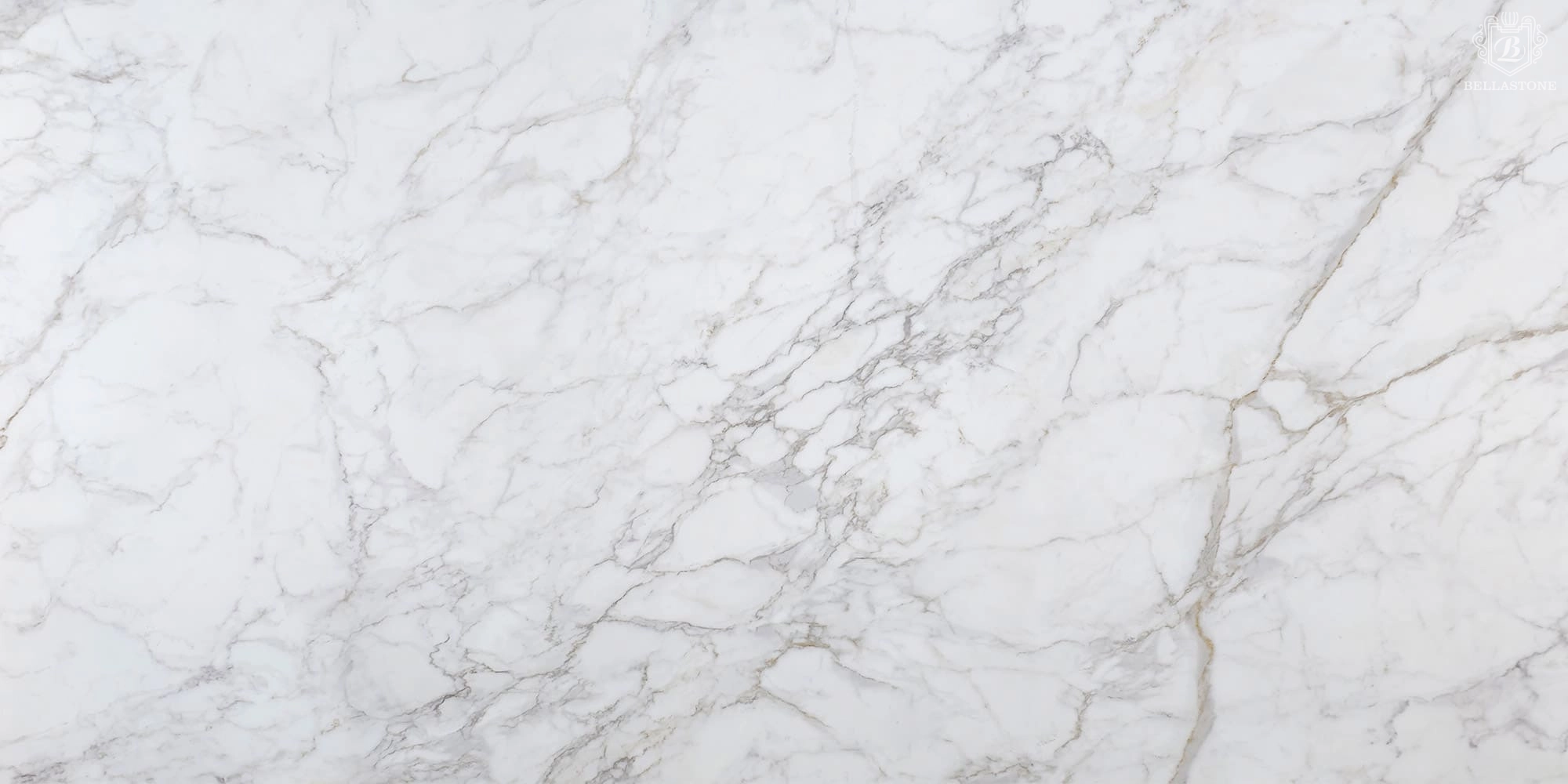
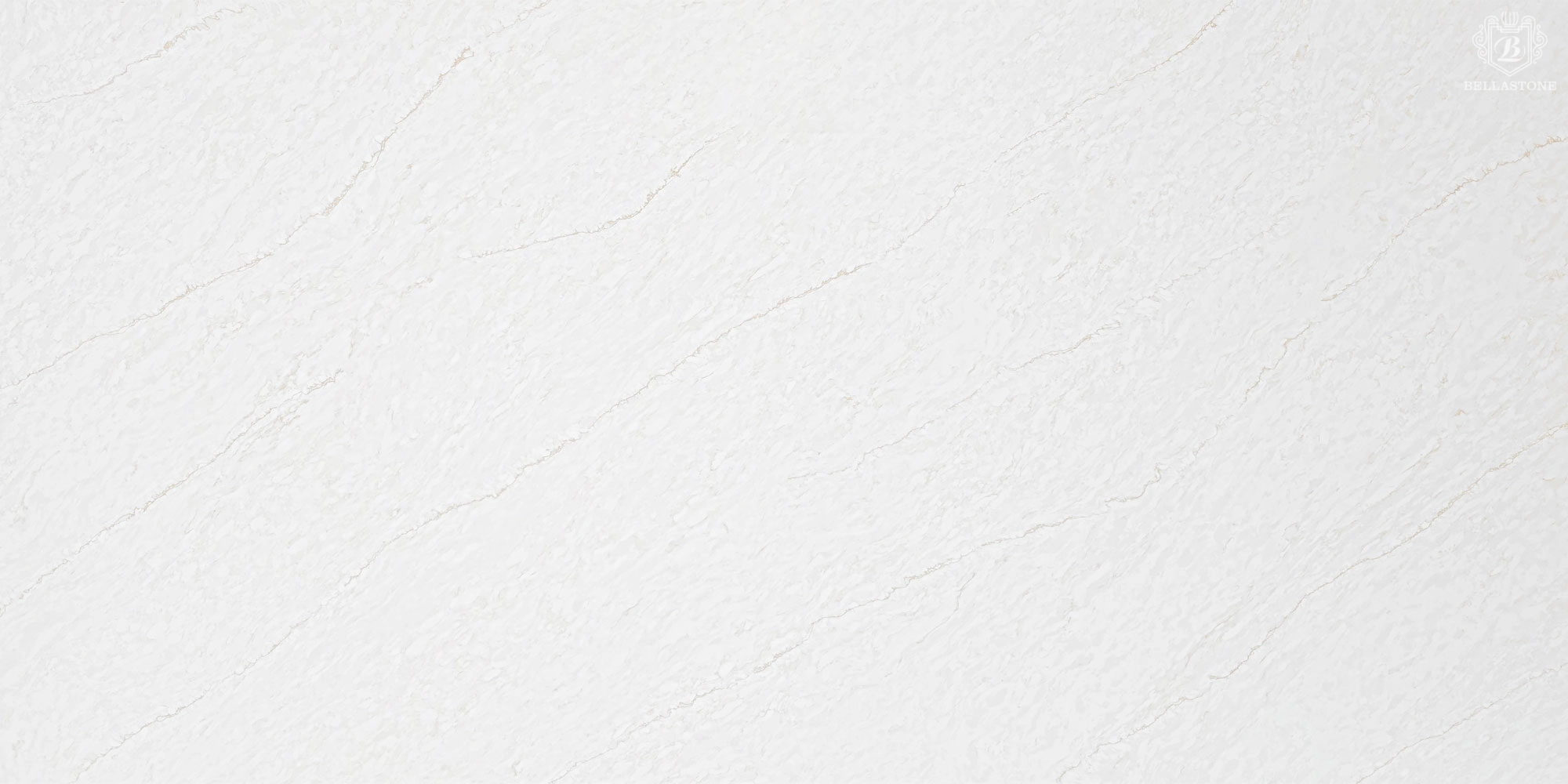

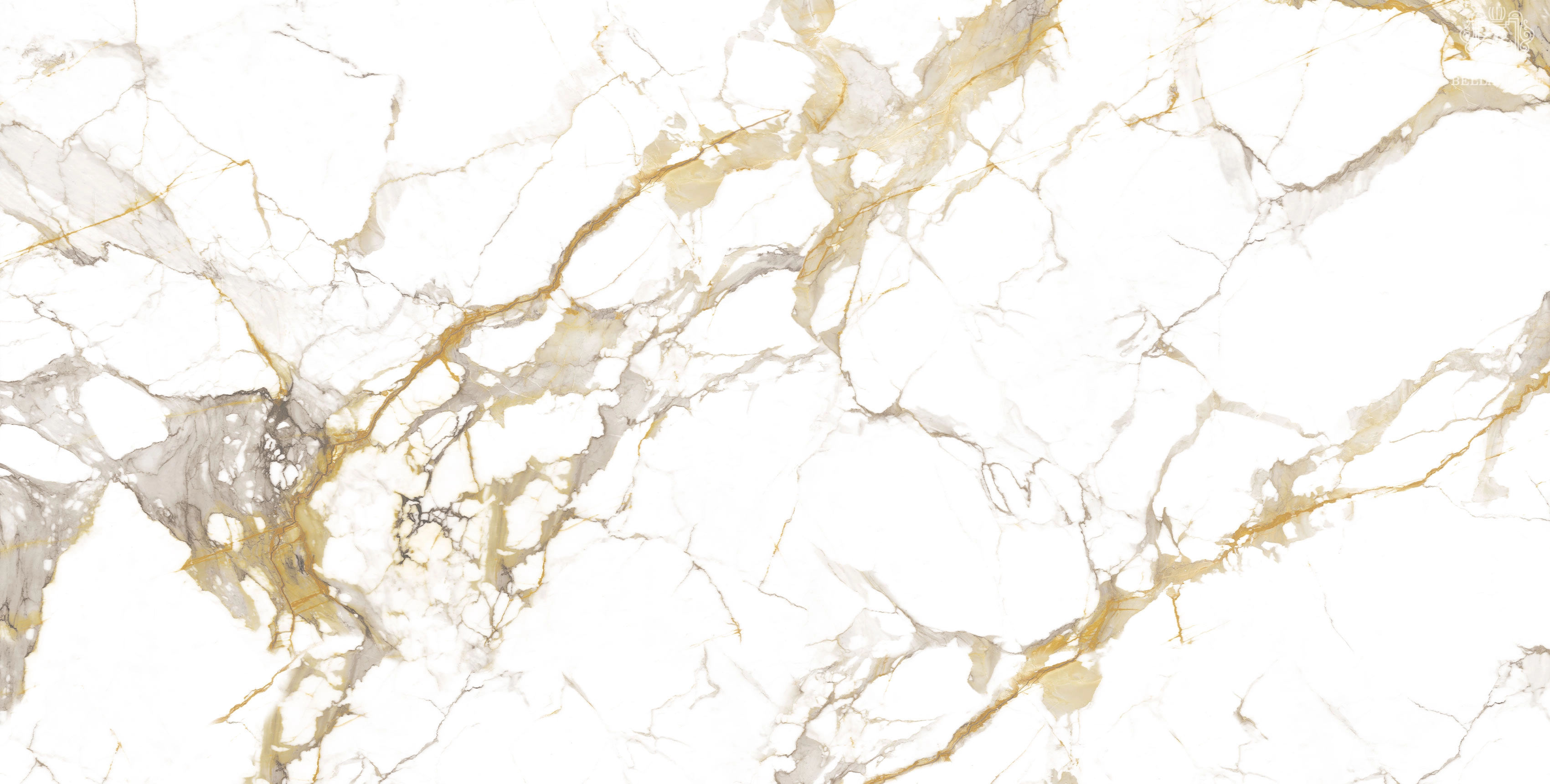


Whether you're exploring design trends or planning your next build, our team is here to support with product advice, pricing, and tailored solutions.
Rest assured that your privacy is important to us, and all information provided will be handled with the utmost confidentiality.
By clicking "Send Inquiry Now", I agree to your processing my personal data.
To see how to withdraw your consent, how to control your personal data, and how we process it, please see our Privacy Policy and Terms of Use.
Bellastone, Premium Quartz Manufacturer & Exporter
© 2025 BELLASTONE. All Rights Reserved. | Privacy Policy | Terms and Conditions | Sitemap
Facebook
Linkedin
YouTube