



How do quartz slabs compare to natural stone in terms of durability and maintenance? | Insights by BELLASTONE
- Quartz Slabs vs. Natural Stone: Durability and Maintenance Insights
- 1. Durability: How Do Quartz Slabs Compare to Natural Stone?
- 2. Maintenance: What Are the Care Requirements?
- 3. Cost Considerations: Which Option Is More Cost-Effective?
- 4. Aesthetic Appeal: How Do They Compare in Appearance?
- 5. Environmental Impact: Which Is More Sustainable?
- 6. Longevity: Which Material Offers Greater Lifespan?
- 7. Installation: Are There Differences in the Installation Process?
- 8. Health and Safety: Are There Any Health Considerations?
- Conclusion: Why Choose BELLASTONE Quartz Surfaces?
Quartz Slabs vs. Natural Stone: Durability and Maintenance Insights
When selecting materials for countertops, understanding the durability and maintenance requirements is crucial. Quartz slabs and natural stones like granite and marble each offer unique benefits. This article delves into their differences, focusing on durability, maintenance, and how BELLASTONE's quartz surfaces stand out.
1. Durability: How Do Quartz Slabs Compare to Natural Stone?
Quartz Slabs:
Scratch Resistance: Quartz is engineered by combining natural quartz crystals with resins and pigments, resulting in a surface that is highly resistant to scratches.
Stain Resistance: The non-porous nature of quartz prevents liquids from penetrating, reducing the risk of staining.
Heat Resistance: While quartz can withstand moderate heat, prolonged exposure to high temperatures can cause discoloration or damage. It's advisable to use trivets or heat pads to protect the surface.
Natural Stone (Granite and Marble):
Granite: Granite is durable but porous, requiring periodic sealing to maintain its stain resistance.
Marble: Marble is elegant but more susceptible to scratches and stains due to its porous nature. Regular sealing and careful maintenance are essential.
2. Maintenance: What Are the Care Requirements?
Quartz Slabs:
Cleaning: Regular cleaning with a soft cloth and mild soap is sufficient. Avoid abrasive cleaners and harsh chemicals.
Sealing: Quartz does not require sealing, unlike granite or marble.
Heat Exposure: Use trivets or heat pads to protect the surface from high temperatures.
Natural Stone:
Granite: Requires periodic sealing to maintain stain resistance.
Marble: Requires regular sealing and careful maintenance to prevent stains and scratches.
3. Cost Considerations: Which Option Is More Cost-Effective?
Quartz Slabs:
Cost: Generally, quartz slabs are moderately priced, offering a balance between cost and performance.
Maintenance Savings: The lack of need for sealing and lower maintenance requirements can lead to long-term savings.
Natural Stone:
Granite: Typically more expensive than quartz, with additional costs for sealing and maintenance.
Marble: Often the most expensive option, with higher maintenance costs due to the need for regular sealing and care.
4. Aesthetic Appeal: How Do They Compare in Appearance?
Quartz Slabs:
Consistency: Offers a uniform appearance with a wide range of colors and patterns.
Design Flexibility: Can mimic the look of natural stone or provide unique designs.
Natural Stone:
Granite: Features unique patterns and colors, each slab being one-of-a-kind.
Marble: Known for its elegant veining and classic appeal.
5. Environmental Impact: Which Is More Sustainable?
Quartz Slabs:
- Sustainability: Many quartz surfaces incorporate recycled materials and use eco-friendly manufacturing processes.
Natural Stone:
- Sustainability: Mining natural stone can have significant environmental impacts, including habitat disruption and high energy consumption.
6. Longevity: Which Material Offers Greater Lifespan?
Quartz Slabs:
- Durability: Engineered quartz is highly durable and can last a lifetime with proper care.
Natural Stone:
Granite: Known for its longevity and can last a lifetime with proper maintenance.
Marble: While durable, it requires more maintenance to preserve its appearance over time.
7. Installation: Are There Differences in the Installation Process?
Quartz Slabs:
- Installation: Generally easier to install due to uniformity and consistency in size and shape.
Natural Stone:
- Granite and Marble: Installation can be more complex due to variations in slab sizes and patterns, requiring skilled professionals.
8. Health and Safety: Are There Any Health Considerations?
Quartz Slabs:
- Non-Porous Surface: The non-porous nature of quartz helps prevent mold and bacteria growth, promoting a healthier environment.
Natural Stone:
- Granite and Marble: Porous surfaces can harbor bacteria and require sealing to mitigate health risks.
Conclusion: Why Choose BELLASTONE Quartz Surfaces?
BELLASTONE offers premium quartz surfaces that combine durability, low maintenance, and aesthetic appeal. Our products are engineered to provide:
Superior Durability: Highly resistant to scratches, stains, and heat, ensuring a long-lasting investment.
Low Maintenance: No need for sealing or special cleaners, making upkeep simple and cost-effective.
Aesthetic Versatility: A wide range of colors and patterns to suit any design preference.
Choose BELLASTONE for a reliable and stylish addition to your home or business.


FAQ
Is quartz countertop durable?
Excellent physical properties, sturdy and wear-resistant
Key advantages in daily use: scratch resistance, stain resistance, and high temperature resistance
It stands out more in terms of durability compared to common countertop materials such as natural marble and granite
No special maintenance is required, and it is easy to clean. With normal use and maintenance, its aesthetics and functionality can be maintained for decades.
Which is more expensive, artificial quartz stone or natural stone?
If we only consider the purchase price per square meter, artificial quartz stone is usually more expensive than ordinary granite but cheaper than top-grade marble. However, considering the total cost over the long term, the cost-effectiveness of durable artificial quartz stone that requires no maintenance may be higher; whereas marble, which requires regular professional maintenance, may be more expensive in terms of long-term total expenditure.
Printed Artificial Quartz Stone
What is printed quartz stone?
Printed quartz stone is an engineered quartz slab with high-definition printed surface patterns that simulate natural stone aesthetics while maintaining quartz performance.
Is printed quartz durable enough for countertops?
Yes. Printed quartz slabs maintain the same core strength as standard engineered quartz and are suitable for kitchen and bathroom countertops.
Care & Maintenace
How do I clean my quartz surface daily?
Simply use a soft cloth or sponge with mild soap and warm water. Avoid abrasive pads or harsh chemicals to maintain surface shine.
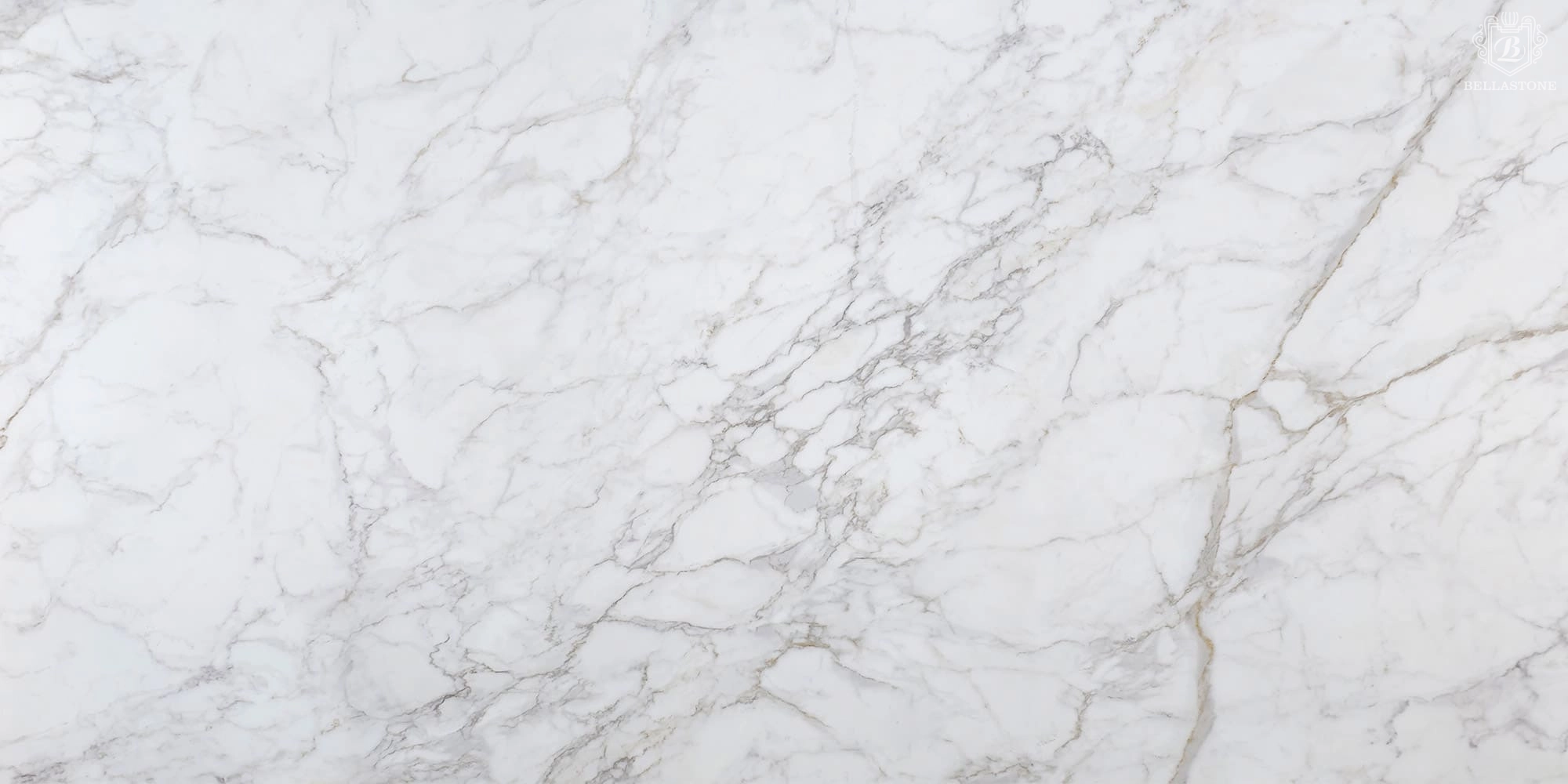


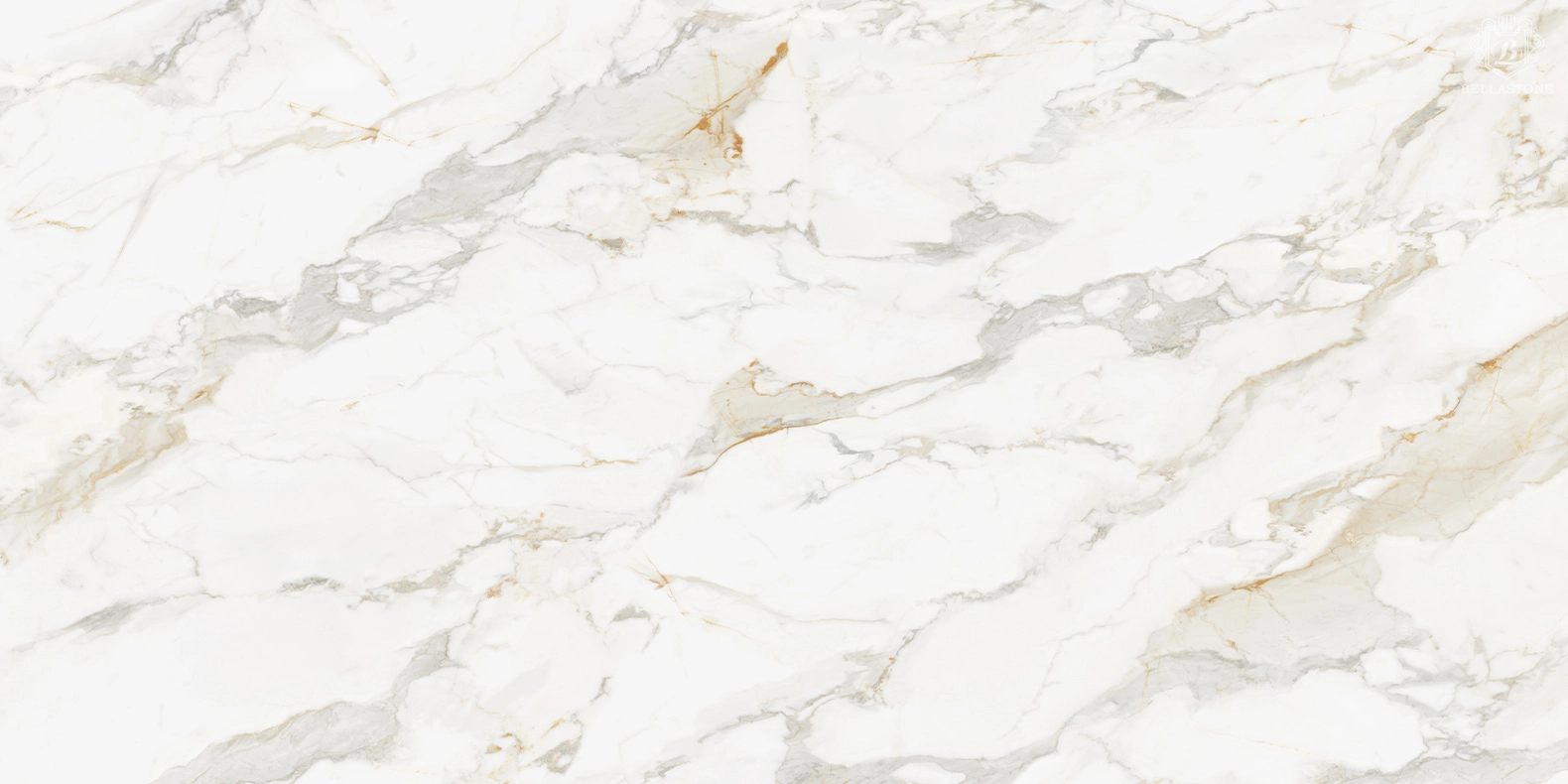
Whether you're exploring design trends or planning your next build, our team is here to support with product advice, pricing, and tailored solutions.
Rest assured that your privacy is important to us, and all information provided will be handled with the utmost confidentiality.
By clicking "Send Inquiry Now", I agree to your processing my personal data.
To see how to withdraw your consent, how to control your personal data, and how we process it, please see our Privacy Policy and Terms of Use.
Bellastone, Premium Quartz Manufacturer & Exporter
© 2026 BELLASTONE. All Rights Reserved. | Privacy Policy | Terms and Conditions | Sitemap
Facebook
Linkedin
YouTube