



How do UV and light affect white quartz color over time?
- 1) My kitchen has a west-facing window with strong afternoon sun — will white quartz kitchen countertops yellow or shift tone over 5–10 years, and how can I estimate the risk?
- 2) How can I verify UV resistance and resin formulation of a white quartz slab before purchase when online specs are vague or outdated?
- 3) Can I install white quartz slabs on an outdoor kitchen or covered patio under indirect sunlight without color change or material failure?
- 4) Why do some white quartz slabs develop faint pink, amber, or yellowish patches after fabrication, and can fabricators prevent this?
- 5) How do I reliably match or blend white quartz slabs for a large kitchen to avoid visible batch-to-batch variation and seam visibility?
- 6) If my white quartz shows yellowing, what safe, effective restoration methods exist and what results can be expected?
1) My kitchen has a west-facing window with strong afternoon sun — will white quartz kitchen countertops yellow or shift tone over 5–10 years, and how can I estimate the risk?
White quartz countertops are engineered stone made of roughly 90–95% ground quartz and 5–10% polymer resin and pigments. That polymer binder (and any added pigments or dyes) is the component most vulnerable to ultraviolet (UV) radiation and long-term light exposure. In practice:
Risk factors: continuous, direct sunlight (especially late-afternoon western exposure), elevated temperature from sun gain, light-colored resin formulations, older generation resins, and any reflective or magnifying surfaces that concentrate light. UV plus heat speeds yellowing and polymer degradation.
Typical outcome: Many modern interior white quartz products resist marginal color drift for years under typical indoor lighting. However, if a slab receives daily direct sun for hours, some resin-based color shift (a faint warm or amber cast) can appear over multiple years. The process is gradual and often uneven if parts of the countertop are shaded (you’ll notice banding near window edges).
How to estimate risk for your specific kitchen: 1) Identify exposure hours — if the countertop receives more than 2–3 hours of direct sunlight daily, risk rises. 2) Ask the manufacturer for UV/accelerated aging data or warranty coverage for color change. 3) Request a slab sample and place it in the same window area for a 1–3 month observation period (samples speed up detection of reactive finishes). 4) Prefer slabs with explicit UV-stable resin or UV inhibitors listed on technical data sheets.
Mitigation: install UV-filtering window film (blocks 95%+ UV), use solar shades, avoid placing appliances that concentrate heat in sun-exposed spots, and choose quartz mixes marketed as UV-stable or rated for exterior/covered applications.
In short, white quartz in typical indoor kitchens with diffused light is unlikely to significantly yellow within 5 years, but persistent direct sun exposure increases the chance of subtle warm shifts over time.
2) How can I verify UV resistance and resin formulation of a white quartz slab before purchase when online specs are vague or outdated?
Manufacturers don’t always publish full resin chemistry on public marketing pages, so buyers must be proactive. Practical verification steps:
Ask for a Technical Data Sheet (TDS) and Safety Data Sheet (SDS). TDS often lists UV-stability claims, while SDS reveals resin classes (polyester, epoxy, or polyurethane). Polyester resins are more UV sensitive than specialized UV-stabilized formulations.
Request accelerated weathering or UV-aging test results. Reputable brands will have lab data from accelerated exposure tests (e.g., standard fluorescent UV accelerated aging tests used for polymers). Ask what test protocol they used and for delta E (color change) results after X hours of exposure.
Check warranty language. A clear warranty that excludes color change is a red flag; a warranty that specifically covers lightfastness for interior/exterior use is better.
Inspect slab samples in natural daylight. Viewing samples at different times of day and under indoor lights reveals how pigments and sparkles behave. Look for resin-rich streaks or uneven translucency that may react first.
Get a written confirmation for exterior/covered patio use if that’s your intent. Many quartz lines are formulated for indoor only; a manufacturer endorsement is essential for outdoor use.
If in doubt, request a third-party or independent lab accelerated weathering report; some large projects commission this using recognized test standards.
These steps convert vague marketing into verifiable information so you’re not relying on outdated or incomplete spec sheets when choosing white quartz kitchen countertops.
3) Can I install white quartz slabs on an outdoor kitchen or covered patio under indirect sunlight without color change or material failure?
Standard engineered quartz is primarily designed for indoor countertops. Why this matters:
UV exposure: The resin binder used in most interior quartz formulations is prone to slow degradation and color shift when exposed to sustained UV light. Even under indirect sunlight, UV rays can reflect and reach surfaces.
Thermal cycles: Outdoor environments experience larger temperature swings. Polymer resins expand and contract more than natural stone, which can stress seams, adhesives, and sometimes lead to micro-cracks or delamination over time.
Moisture and freeze-thaw: In climates with freeze cycles, trapped moisture can cause issues in poorly detailed installations.
When outdoor use is inevitable:
Only use quartz specifically rated for exterior installation — manufacturers who warrant outdoor use will state it and supply performance data. Some newer engineered quartz lines are formulated with UV-stable resin and pigments for covered outdoor kitchens.
Avoid direct sun exposure and choose fully covered locations with UV-reducing roofing or films. Use stainless-steel, high-temperature adhesives and perimeter flashing to manage moisture and thermal movement.
For uncovered outdoor kitchens, consider alternatives such as porcelain, granite, or sintered stone engineered for exterior use; they are inherently more UV- and heat-stable.
Conclusion: Don’t assume all white quartz slabs are appropriate for covered patios — only those validated by the manufacturer for exterior use should be considered. If no validation exists, choose a different material for long-term performance.
4) Why do some white quartz slabs develop faint pink, amber, or yellowish patches after fabrication, and can fabricators prevent this?
These color anomalies often stem from the resin binder, processing steps, or contamination during fabrication. Common causes:
Resin-rich areas: During slab finishing, polishing, or cutting, resin can migrate or concentrate in pores or fissures producing glossy or slightly tinted patches that react to heat/UV differently than the surrounding quartz.
Heat from fabrication: Excessive friction heat when cutting, edging, or polishing can locally alter resin color or cause slight oxidation (an amber cast). Proper tooling, coolant, and speed control prevent overheating.
Adhesive or filler bleed: Epoxy or polyester fillers used to repair chips or seams can yellow over time if not color-stable. Using non-UV-stable fillers or incompatible products leads to patch discoloration.
Iron or mineral contaminants in pigments: Occasionally trace contaminants in pigments or binders produce unexpected tones when exposed to light or chemicals.
Prevention (fabricator responsibilities):
Use correct tooling and coolant rates to minimize heat during fabrication and install low-friction polishing protocols.
Match seam fillers and adhesives to the slab’s resin chemistry and use UV-stable, non-yellowing products recommended by the manufacturer.
Conduct a pre-fab slab inspection to identify resin-rich areas and plan cuts to avoid visible trouble spots.
Follow manufacturer-issued fabrication best practices; many suppliers publish fabricator guides that detail feed rates, blade types, and polishing steps to prevent thermal and resin issues.
If you experience such patches after installation, contact the fabricator and slab manufacturer to determine if it’s a fabrication fault (often repairable) or a product issue (may be covered by warranty).
5) How do I reliably match or blend white quartz slabs for a large kitchen to avoid visible batch-to-batch variation and seam visibility?
White quartz can appear subtly different across production lots because pigments and sparkles are manually blended into each batch. For large projects, follow these slab-level practices:
Order from a single production lot: Request and confirm the lot/sequence numbers on slab tags. Specifying ‘same lot’ is the most effective step to minimize variation.
Reserve extra slabs from the same lot: Buy 10–20% extra material from the same run to allow for template errors, future repairs, and to ensure replacement pieces match.
Pre-approval slab layout: Insist on a dry-lay of full slabs in natural light at the job site before fabrication. This allows you to place seams strategically (in low-traffic areas or along cabinetry lines) and orient pattern movement.
Use a single experienced fabricator: Consistent edge polishing, seam preparation, and seam-adhesive color matching reduce seam visibility. Different fabricators may prepare seams differently, affecting appearance.
Seaming technique: For white quartz, a very narrow seam with a matching-toned epoxy and consistent temperature control during installation produces the least visible seam. Avoid dark seam fillers on light slabs.
Bookmatching and flow: If the slab has veining or aggregate flow, request bookmatching or pattern flow alignment for continuous appearance.
Sample or digital color proofs are not substitutes for slab selection: Always approve actual slabs, not photos or samples alone.
These steps reduce the likelihood of surprise variance and visible seams when working with white quartz kitchen countertops on larger layouts.
6) If my white quartz shows yellowing, what safe, effective restoration methods exist and what results can be expected?
First, identify the cause: UV-related binder yellowing, heat-induced change, or surface staining (oil, hair products, food dyes). Restoration depends on cause:
Surface organic stains (coffee, tea, food dyes): Start with a gentle cleaner (pH-neutral stone cleaner). For persistent organic stains, a hydrogen peroxide-based poultice (low concentration 3–6%) applied in a controlled manner may lighten organic stains. Test an inconspicuous area first.
Yellowing from cleaners or chemical attack: Some strong alkaline or acidic cleaners cause a film or reaction. Rinse thoroughly and try a mild neutral cleaner. Avoid abrasive scrubbing which can change surface sheen.
Resin/UV yellowing: This is the hardest to reverse. If the polymer binder itself has oxidized or changed color internally, surface cleaning or polishing will usually not fully restore original whiteness. Options include: 1) Manufacturer-authorized surface re-polishing (may improve appearance but not fix deep binder shifts); 2) Replacement of the affected slab/section under warranty if manufacturer acknowledges color change; 3) Localized replacement using reserved matching slabs if you ordered extra material.
Engaging the manufacturer/fabricator: Always contact the slab manufacturer and your fabricator before attempting aggressive chemical or mechanical treatments. Manufacturers can confirm whether discoloration is a product failure (possible replacement) or a stain/heat issue (fabricator responsibility). Many warranties exclude UV and improper use, but some modern lines include limited lightfastness coverage.
Realistic expectations: Surface stains often respond to correct cleaning; binder yellowing from UV or heat is commonly irreversible and may require replacement of the affected area. Prevention (UV films, shading, using trivets, following care guidance) is far more efficient and cost-effective than attempting full restoration after the fact.
Practical buyer checklist when selecting white quartz kitchen countertops:
- Request TDS/SDS, UV-aging data, and written confirmation for any exterior/covered-patio use.
- Inspect and approve full slabs in natural light; insist on same-lot slabs for large runs.
- Confirm fabricator follows manufacturer fabrication guides and uses UV-stable fillers/adhesives.
- Plan seam placement and reserve extra slab material from the same production run.
- Install window films or shading for counters that receive direct sun.
These industry best practices—based on manufacturer technical data, independent accelerated weathering principles, and proven fabrication standards—help you avoid surprises with your white quartz countertops.
Advantages of white quartz kitchen countertops: White quartz offers consistent color, non-porous stain resistance, low maintenance, and a contemporary look that suits many kitchen designs. When you pair careful slab selection, UV-aware installation practices, and qualified fabrication, white quartz provides durable performance and predictable aesthetics in most indoor kitchen environments.
For a free quote or to schedule slab inspection and fabrication guidance, contact us at www.gdbellastone.com or email info@gdbellastone.com.
References: manufacturer technical data sheets, independent accelerated UV-aging test protocols for polymers, and established fabrication best practices (used here to guide practical, verifiable buyer advice).


Care & Maintenace
How do I clean my quartz surface daily?
Simply use a soft cloth or sponge with mild soap and warm water. Avoid abrasive pads or harsh chemicals to maintain surface shine.
Can I cut food directly on the quartz surface?
While the surface is scratch-resistant, we recommend using a cutting board to protect both the quartz and your knives.
Is Bellastone quartz heat-resistant?
Quartz is heat-resistant, but not heat-proof. Always use trivets or hot pads to protect the surface from direct heat or hot cookware.
Printed Artificial Quartz Stone
What is printed quartz stone?
Printed quartz stone is an engineered quartz slab with high-definition printed surface patterns that simulate natural stone aesthetics while maintaining quartz performance.
Is printed quartz durable enough for countertops?
Yes. Printed quartz slabs maintain the same core strength as standard engineered quartz and are suitable for kitchen and bathroom countertops.
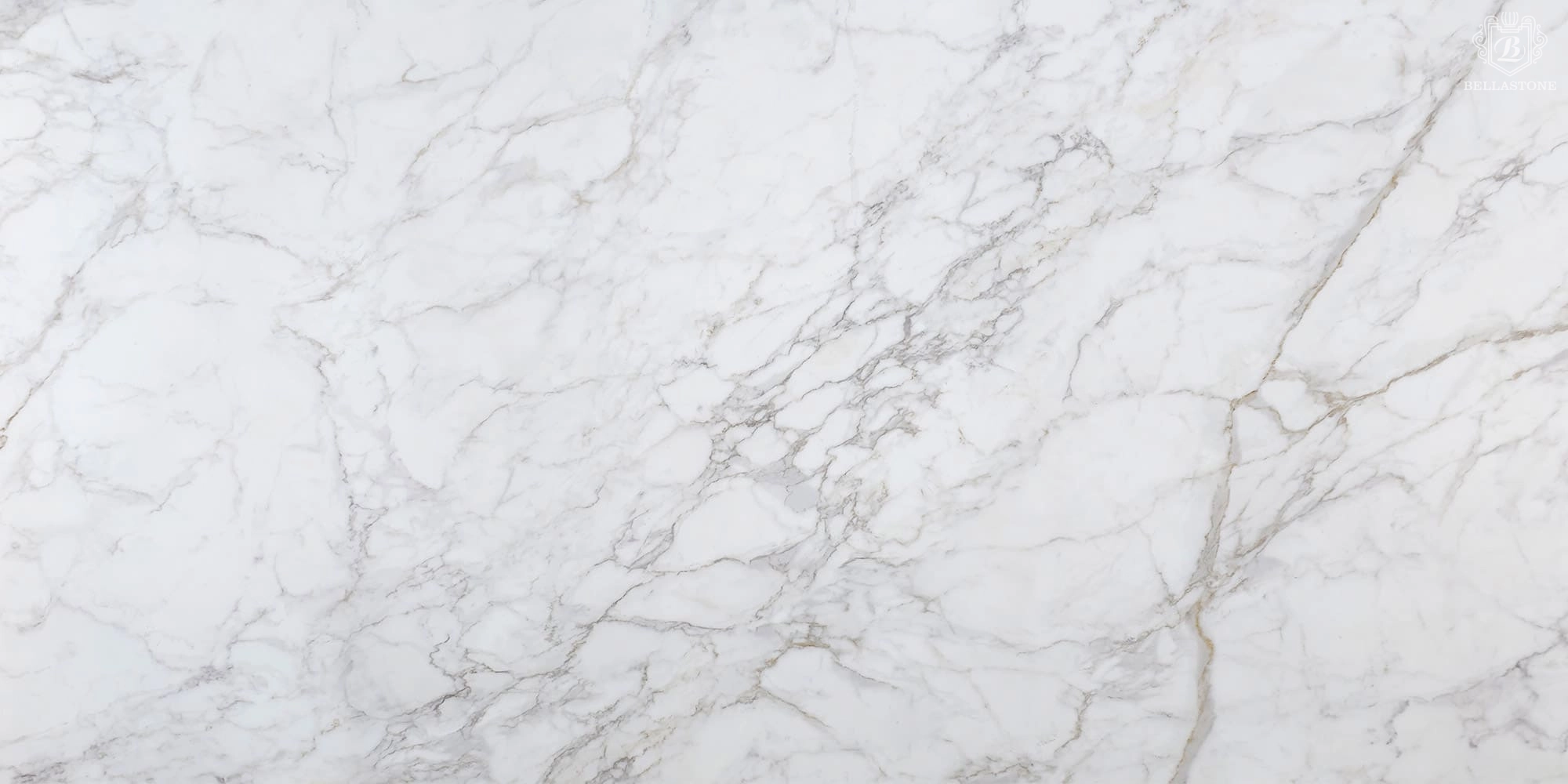
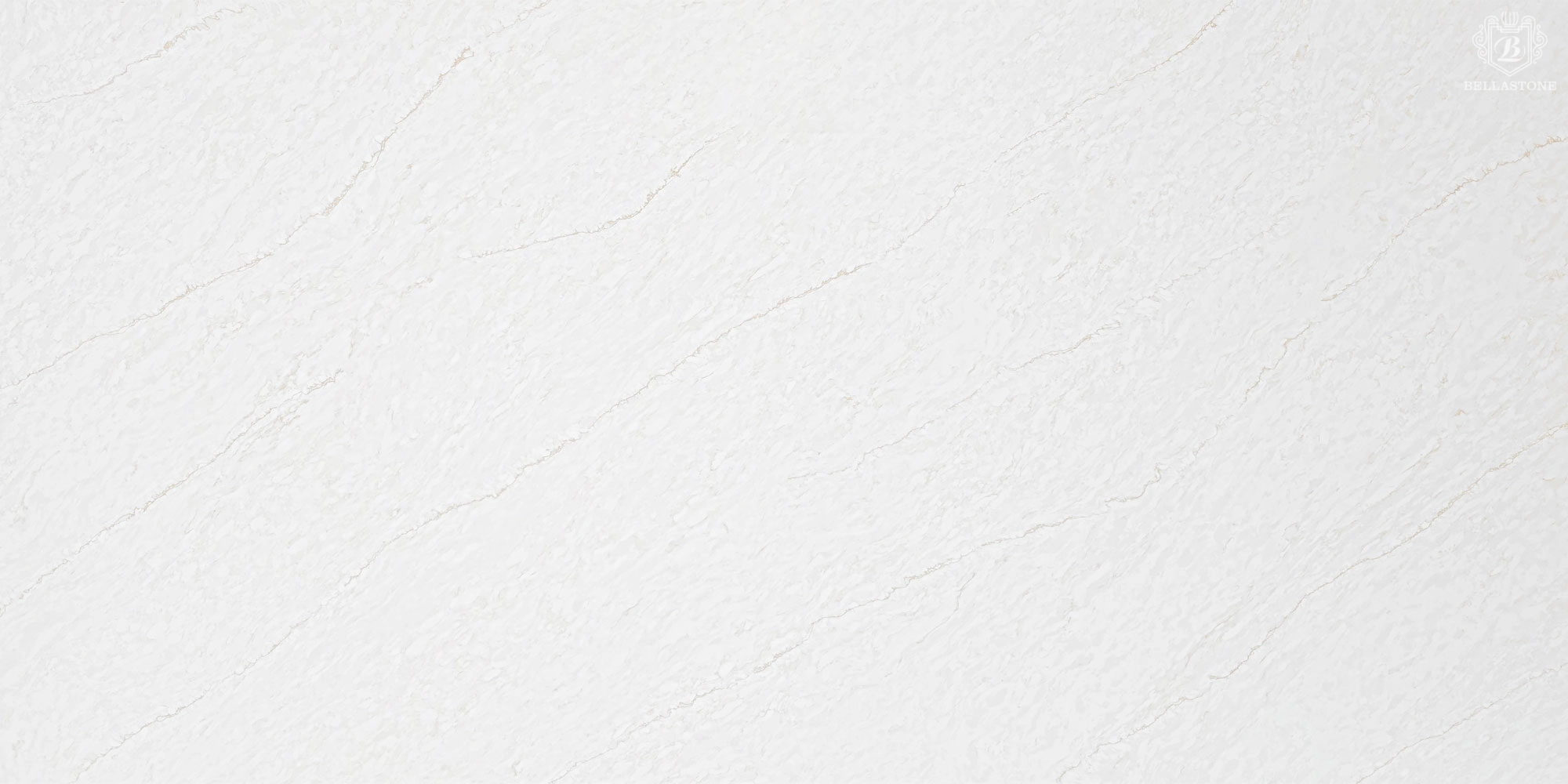

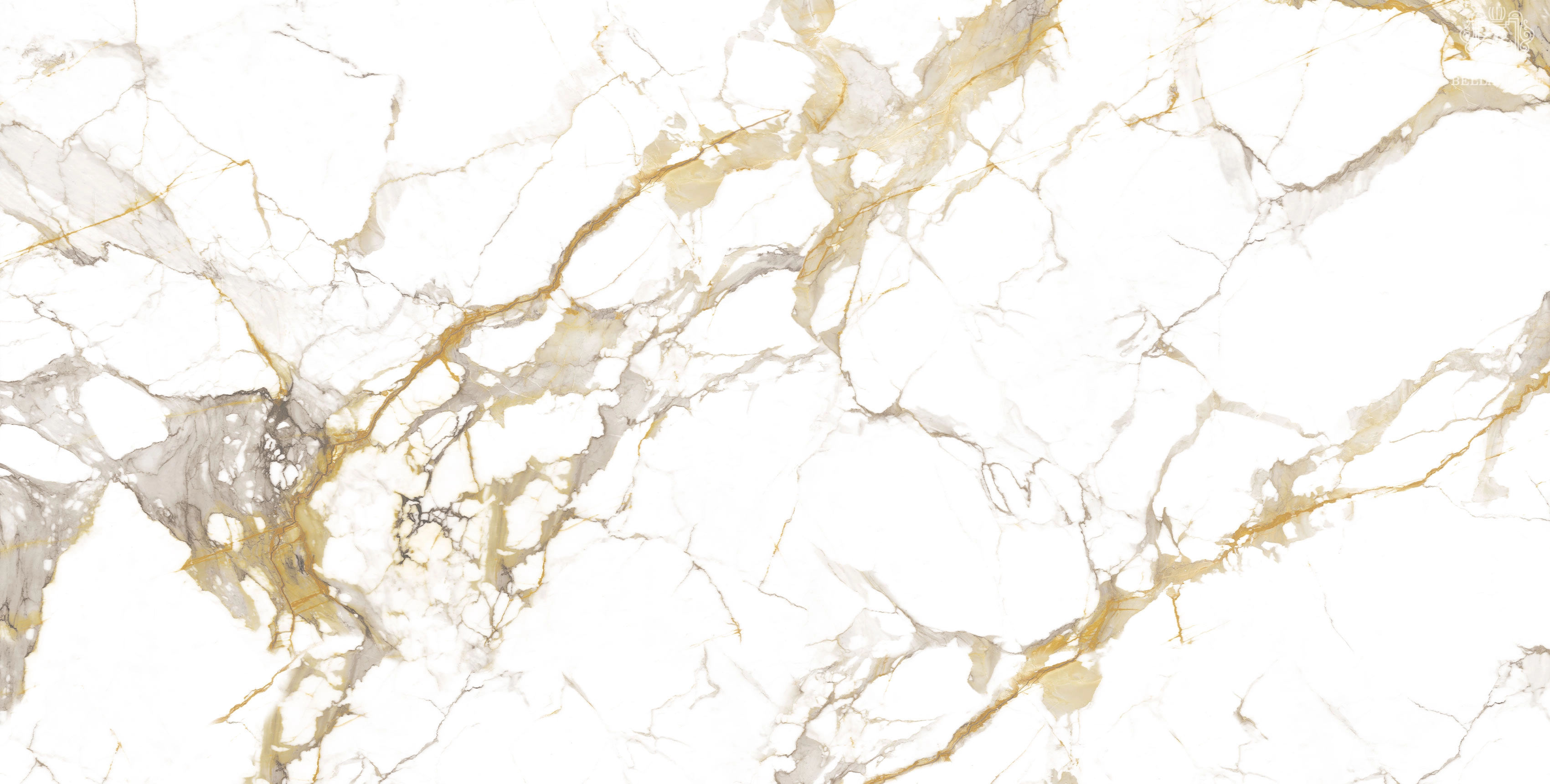


Whether you're exploring design trends or planning your next build, our team is here to support with product advice, pricing, and tailored solutions.
Rest assured that your privacy is important to us, and all information provided will be handled with the utmost confidentiality.
By clicking "Send Inquiry Now", I agree to your processing my personal data.
To see how to withdraw your consent, how to control your personal data, and how we process it, please see our Privacy Policy and Terms of Use.
Bellastone, Premium Quartz Manufacturer & Exporter
© 2025 BELLASTONE. All Rights Reserved. | Privacy Policy | Terms and Conditions | Sitemap
Facebook
Linkedin
YouTube