



What testing ensures stain resistance of quartz countertops?
- 1) How do I verify a supplier’s stain-resistant claim for white quartz kitchen countertops — what specific lab reports and exposure conditions should I demand?
- 2) Which surface finish on white quartz shows the fewest visible scratches in everyday kitchen use, and how does finish choice affect repairability?
- 3) How can I pick white quartz slabs and work with my fabricator to avoid obvious repeat patterns or mismatched veins across multi-slab kitchen countertops?
- 4) What are realistic expectations for UV yellowing or color shift on white quartz kitchen countertops placed near large sunlit windows or in a covered outdoor kitchen?
- 5) How do I quantify and reduce edge chipping risk on thin white quartz countertops — which thicknesses and edge profiles balance aesthetics and durability?
- 6) What testing ensures stain resistance of quartz countertops — how do labs test, and how can I replicate a meaningful home test before purchase?
White Quartz Kitchen Countertops: 6 Critical Buyer Questions
As a quartz slab industry expert and professional content writer with deep experience in slab testing and fabrication, I answer six long-tail, buyer-focused questions that are commonly under-answered online. This guide embeds practical terminology you’ll hear from fabricators — calacatta quartz, stain-resistant quartz, non-porous surfaces, seam visibility, polished finish durability, scratch resistance and UV stability — and explains what to request from suppliers and labs before you buy.
1) How do I verify a supplier’s stain-resistant claim for white quartz kitchen countertops — what specific lab reports and exposure conditions should I demand?
What to ask for: request third-party lab reports from an ISO/IEC 17025 accredited lab that show the exact chemical challenge agents, exposure time, concentration, temperature, and post-exposure evaluation method (visual + any colorimetry). Key elements in a valid report:
- Test method description — list of chemicals used (typical household challenges: coffee, red wine, olive oil, turmeric, ketchup, lemon juice, bleach, acetone).
- Exposure time — 24 hours is a common industry benchmark for a worst-case chemcial challenge; some manufacturers test 72 hours for tougher claims.
- Cleaning protocol — whether the sample was wiped with a neutral detergent, scrubbed, or polished before evaluation; accept only reports that evaluate stain after a standardized cleaning.
- Acceptance criteria — a clear rating scale (no visible change, slight discoloration, heavy staining) or ΔE values from colorimetry.
- Water absorption / porosity numbers — very low porosity (many engineered quartz products measure water absorption typically well under 0.5% and often <0.1%) supports stain resistance.
Red flags: supplier-only internal tests without lab accreditation, vague terms like resistant without exposure times, or reports that omit cleaning steps. If a manufacturer claims a stain-proof warranty, request the exact warranty document and what staining agents, durations, and usage conditions are covered.
2) Which surface finish on white quartz shows the fewest visible scratches in everyday kitchen use, and how does finish choice affect repairability?
Finish options commonly offered: polished, honed (matte), leathered/suede, and textured. The underlying facts:
- Mohs hardness: quartz mineral is about 7 — the mineral itself resists scratching, but the polymer resin and pigments can show abrasion differently.
- Polished finish: highest gloss — scratches and fine abrasions are more visible because light reflects sharply. Polished surfaces are generally easier to buff and repolish by a skilled fabricator to remove light scratches.
- Honed/matte: hides small scratches better visually but shows smudges and oil marks; repairs are more complex — you can’t just repolish to gloss without altering appearance.
- Leathered/suede/textured: these finishes diffuse reflections and are best at disguising knife marks and everyday abrasion; however, deep gouges remain visible and are hardest to repair invisibly.
Recommendation: for active kitchens where you prep directly on the countertop, choose a slightly textured or honed finish (or accept a polished finish but use strict cutting-board habits). For repairability preference, polished is the easiest to restore; for camouflage, leathered or honed is best.
3) How can I pick white quartz slabs and work with my fabricator to avoid obvious repeat patterns or mismatched veins across multi-slab kitchen countertops?
Problem: engineered veining and large-pattern calacatta-look quartz can repeat because slabs are produced in batches. Mitigation steps:
- Ask to see the actual slabs before cut-to-size — not just sample chips or photos. Verify lot/batch numbers and get slab identification stickers photographed.
- Request slab layout diagrams from your fabricator showing seam placement and how veins will flow across seams; insist on a dry-fit mockup or full-sized template on the slabs.
- For pronounced veining (calacatta-style), ask for vein-matching/bookmatching services; this requires ordering consecutive slabs from the same production run.
- If you want minimal repeat, select a subtle white quartz with dispersed grains and low-contrast veining, or request a veining plan that places seams in low-visibility zones (backsplash junctions, behind sinks).
Pricing note: vein-matching and special seam alignment are labor-intensive and raise fabricator costs; budget an additional 10–25% for matched layouts on large islands or waterfall edges.
4) What are realistic expectations for UV yellowing or color shift on white quartz kitchen countertops placed near large sunlit windows or in a covered outdoor kitchen?
Engineered quartz contains polymer resin and pigments; prolonged UV exposure can cause some degree of resin yellowing or pigment fade over years. Real-world guidance:
- Indoor kitchens: incidental sunlight through windows rarely causes noticeable yellowing during normal lifetimes — most products are formulated for interior UV exposure.
- Sun-drenched positions (direct midday sunlight through large glass walls) accelerate aging; expect possible subtle warm tint after many years if not using UV-stable resin systems.
- Outdoor / covered kitchens: most manufacturers do not recommend continuous outdoor exposure unless the product is specifically rated for exterior use (look for explicit UV-stability claims and test reports).
What to request: ask the supplier for UV stability test data or accelerated weathering test (e.g., Xenon arc or UV-A exposures) performed by an accredited lab, and the expected color change (ΔE) after a specified number of hours. If building near a large window, specify a UV-stable resin formulation or request shading/film solutions for long-term color stability.
5) How do I quantify and reduce edge chipping risk on thin white quartz countertops — which thicknesses and edge profiles balance aesthetics and durability?
Key variables affecting chipping: slab thickness, edge profile geometry, installation method, and handling by fabricator/installer.
- Thickness: 20–30 mm (3/4–1 1/4) slabs provide much better stiffness and lower chipping risk than thin 12 mm slabs. For islands and overhangs, thicker slabs or laminated edges are recommended.
- Edge profile: sharp, ornate profiles (complex ogees) concentrate stress at thin sections and chip more easily. Simpler eased or bullnose profiles distribute loads and are less chip-prone.
- Fabrication: recommended minimum thickness for certain profiles should be stated in the fabricator’s technical guidelines; ask to see the product’s technical datasheet that lists recommended edge profiles per thickness.
- Installation: proper substrate support under overhangs, correct adhesive joint practice, and professional handling reduce chipping incidents dramatically.
Ask the supplier for flexural strength or impact resistance figures on the technical data sheet, and use a reputable fabricator who follows manufacturer installation templates and recommends appropriate thickness/profile combos for high-use areas.
6) What testing ensures stain resistance of quartz countertops — how do labs test, and how can I replicate a meaningful home test before purchase?
Typical lab approach: accredited labs perform controlled chemical-resistance/stain tests that place standardized droplet volumes of common staining agents onto the slab surface for a fixed period (commonly 24–72 hours) at ambient temperature. After exposure, the sample is cleaned with a defined protocol and evaluated visually and sometimes with colorimetric ΔE measurements. Common challenge agents include coffee, red wine, tea, tomato sauce, mustard/turmeric, olive oil, acetone, and household bleach.
What to look for in test reports:
- Accredited lab name (ISO/IEC 17025) and date.
- List of chemicals and concentrations, exposure duration, temperature, and whether the spot was covered (closed chamber) or open to air.
- Cleaning method used (neutral detergent + rinse, abrasion or polishing) and final evaluation metric (visual scale or ΔE).
- Clear pass/fail criteria. A robust commercial claim will state that after 24 hours and a standard clean, the surface shows no visible change or a ΔE below an agreed threshold.
How to run a practical home test on a spare sample or purchase swatch:
- Place small drops of coffee, red wine, olive oil, turmeric paste, and lemon juice on an inconspicuous sample.
- Cover each spot loosely (to mimic worst-case trapped contact) and leave for 24 hours.
- Clean according to the manufacturer’s recommended cleaner (usually a pH-neutral cleaner and a soft cloth) and evaluate visually. Photograph before and after under the same lighting.
Acceptance guideline: no persistent discoloration visible to the naked eye after recommended cleaning is the practical consumer standard. If a sample shows residual staining after an honest 24-hour challenge and standard cleaning, that product is unlikely to meet real-world expectations in a busy kitchen.
Concluding summary: White quartz kitchen countertops (including calacatta-style and other engineered looks) provide a low-porosity, hygienic surface that combines high mineral content (typically 85–95% quartz) with polymer resins and pigments. When you verify third-party stain testing, choose the right finish for your lifestyle, control seam placement and vein matching, select appropriate thickness and edge profiles, and account for UV exposure, you gain a durable, low-maintenance countertop with excellent stain and scratch performance for most interior kitchens.
For a precise quote, slab availability, or accredited lab reports for specific white quartz products, contact us at www.gdbellastone.com or info@gdbellastone.com.


Care & Maintenace
How do I clean my quartz surface daily?
Simply use a soft cloth or sponge with mild soap and warm water. Avoid abrasive pads or harsh chemicals to maintain surface shine.
FAQ
How does quartz stone compare to natural marble?
Durability: Higher hardness (Mohs scale 7 vs. marble 3-5),
Stronger resistance to scratching and impact
Stability: It has almost zero water absorption rate, with no risk of infiltration or discoloration, while marble requires regular sealing and maintenance
Consistency: The color and texture are controllable, without obvious color differences and flaws found in natural stone materials
Hygienic: Compact and non-porous surface, antibacterial and mold-resistant, easy to clean, meets food contact safety standards
Economical: low long-term maintenance costs, longer service life, and better overall cost-effectiveness
Which is more expensive, artificial quartz stone or natural stone?
If we only consider the purchase price per square meter, artificial quartz stone is usually more expensive than ordinary granite but cheaper than top-grade marble. However, considering the total cost over the long term, the cost-effectiveness of durable artificial quartz stone that requires no maintenance may be higher; whereas marble, which requires regular professional maintenance, may be more expensive in terms of long-term total expenditure.
Can it be made into a finished product?
Yes, we support customization and installation.
Printed Artificial Quartz Stone
Can I customize patterns or colors?
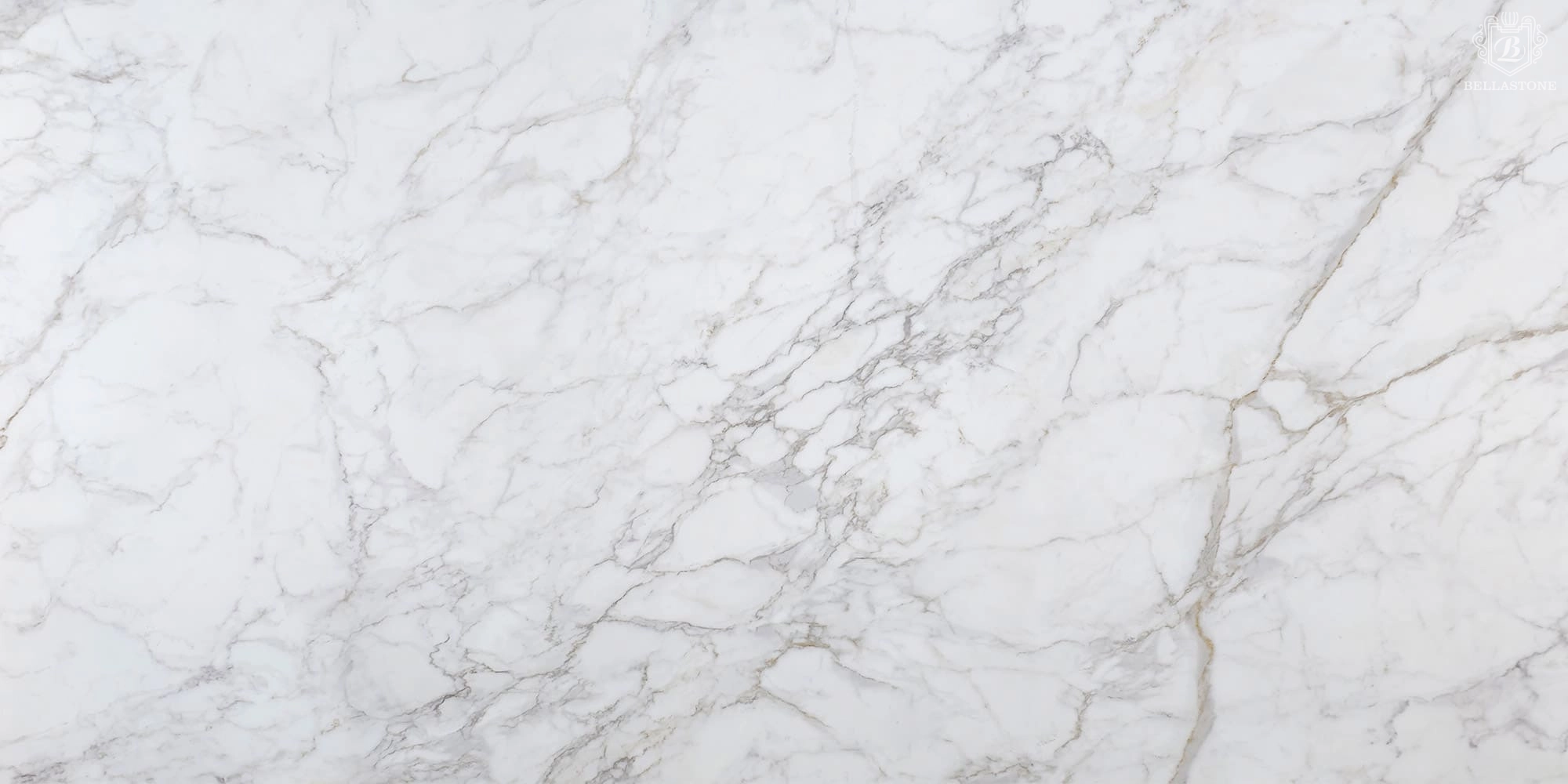
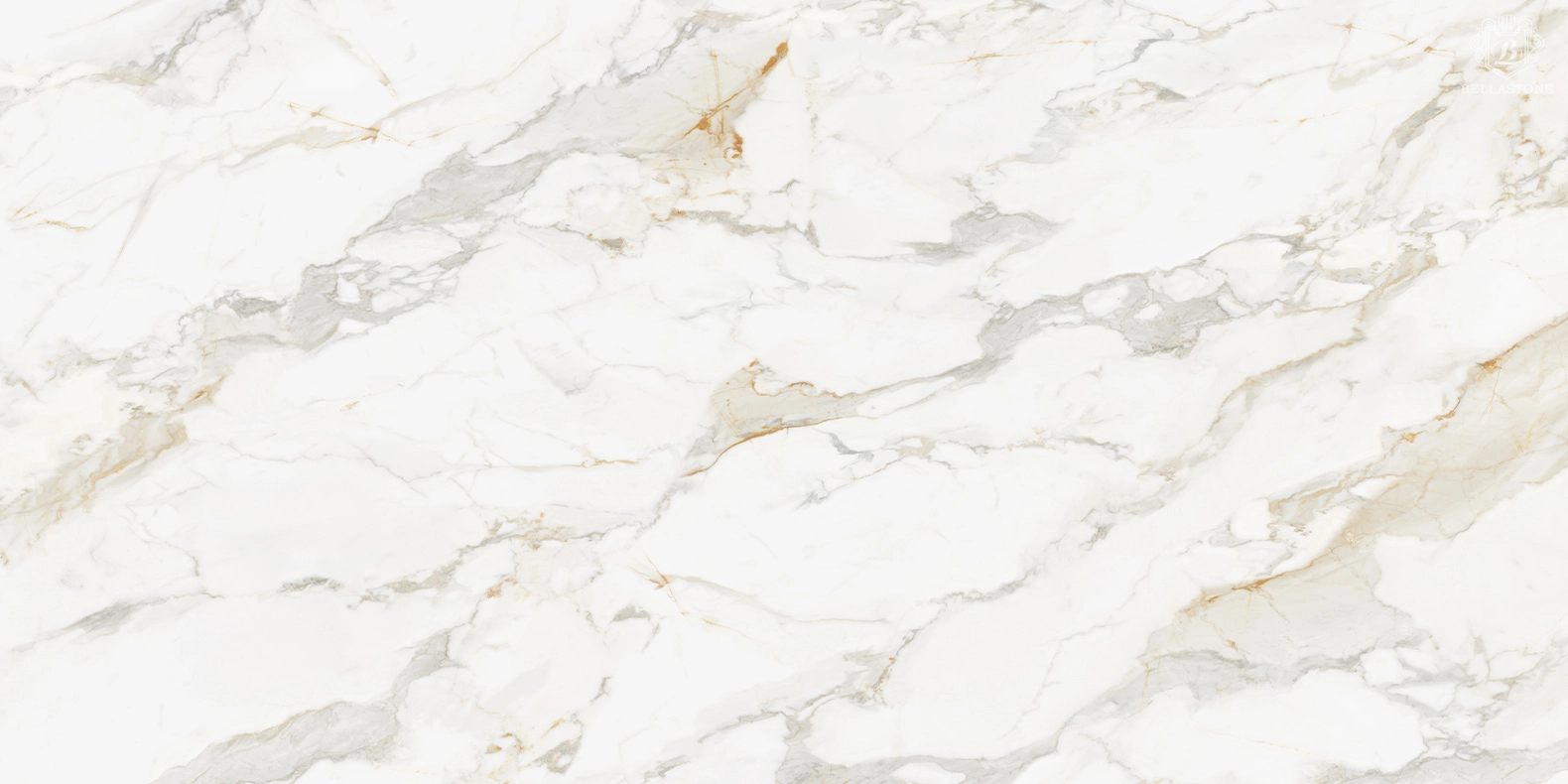
Yes. BELLASTONE offers customized printed designs, colors, and slab specifications for OEM and project orders.


Whether you're exploring design trends or planning your next build, our team is here to support with product advice, pricing, and tailored solutions.
Rest assured that your privacy is important to us, and all information provided will be handled with the utmost confidentiality.
By clicking "Send Inquiry Now", I agree to your processing my personal data.
To see how to withdraw your consent, how to control your personal data, and how we process it, please see our Privacy Policy and Terms of Use.
Bellastone, Premium Quartz Manufacturer & Exporter
© 2026 BELLASTONE. All Rights Reserved. | Privacy Policy | Terms and Conditions | Sitemap
Facebook
Linkedin
YouTube