



What certifications prove workplace safety at quartz factories?
- Comprehensive Guide to Purchasing Quartz Slabs: Key Considerations and Safety Certifications
- 1. What are the key factors to consider when purchasing quartz slabs?
- 2. How can I assess the quality of quartz slabs before purchasing?
- 3. What certifications should I look for to ensure workplace safety at quartz factories?
- 4. How do shipping and delivery impact wholesale purchases of quartz slabs?
- 5. What are the price ranges for quartz slabs, and how do they vary by quality tier?
- 6. How can I ensure the quartz slabs I purchase are safe for food preparation areas?
- 7. What are the best practices for installing quartz slabs to ensure durability and safety?
- 8. How do I verify the authenticity and quality of quartz slabs to avoid inferior products?
Comprehensive Guide to Purchasing Quartz Slabs: Key Considerations and Safety Certifications
When considering the purchase of quartz slabs for your project, it's crucial to address several key questions to ensure you select the best product that meets your needs and complies with safety standards. Below are some of the most common inquiries and their detailed answers:
1. What are the key factors to consider when purchasing quartz slabs?
When selecting quartz slabs, consider the following factors:
Composition: High-quality quartz slabs typically contain 90-94% natural quartz combined with resins and pigments. This composition ensures durability and aesthetic appeal. ((https://www.gdbellastone.com/understanding-wholesale-quartz-slab-purchases-key-considerations.html))
Surface Finish: Common finishes include polished, matte, or leathered. Each finish affects the slab's appearance and maintenance requirements. ((https://www.gdbellastone.com/understanding-wholesale-quartz-slab-purchases-key-considerations.html))
Certifications: Look for slabs with certifications such as CE, NSF, or SGS, indicating compliance with international standards. ((https://www.gdbellastone.com/understanding-wholesale-quartz-slab-purchases-key-considerations.html))
Warranty: Ensure the supplier offers a clear warranty policy covering aspects like thermal shock, chemical damage, and other potential issues. ((https://www.gdbellastone.com/article/quartz-slab-for-sale-buyer-checklist.html))
2. How can I assess the quality of quartz slabs before purchasing?
To evaluate the quality of quartz slabs:
Visual Inspection: Examine the slab for consistent color distribution, smoothness, and the absence of visible defects such as chips or cracks.
Surface Testing: Test the slab's resistance to scratches, stains, and heat by applying common household items to the surface and observing any reactions.
Thickness Consistency: Check for uniform thickness throughout the slab, as inconsistencies can affect installation and durability.
3. What certifications should I look for to ensure workplace safety at quartz factories?
To ensure workplace safety at quartz factories, look for certifications such as GREENGUARD GOLD, which indicates low chemical emissions, making it safer for indoor use.
Additionally, OSHA and NIOSH have identified exposure to respirable crystalline silica as a health hazard to workers involved in manufacturing, finishing, and installing natural and manufactured stone countertop products.
4. How do shipping and delivery impact wholesale purchases of quartz slabs?
When considering wholesale purchases:
Lead Times: Shipping times can vary depending on the supplier's location and your destination. For instance, delivery abilities can range from 3-5 days to several weeks. ((https://www.gdbellastone.com/understanding-wholesale-quartz-slab-purchases-key-considerations.html))
Costs: Shipping costs can be significant, especially for large orders. It's essential to factor in these expenses when budgeting for your purchase. ((https://www.gdbellastone.com/understanding-wholesale-quartz-slab-purchases-key-considerations.html))
5. What are the price ranges for quartz slabs, and how do they vary by quality tier?
Quartz slab prices vary based on quality, brand, and thickness. Here's a breakdown:
Economy: $50-70 per sq.ft. – Basic colors, thinner slabs, limited warranty.
Mid-grade: $70-100 per sq.ft. – Better patterns, standard thickness, decent warranty.
Premium: $100-150 per sq.ft. – Complex patterns, premium brands, extended warranty.
Luxury: $150-200+ per sq.ft. – Exclusive designs, maximum thickness, lifetime warranty.
Additional costs may include edge detailing, cutouts, and installation complexity.
6. How can I ensure the quartz slabs I purchase are safe for food preparation areas?
To ensure safety in food preparation areas:
Certifications: Look for NSF/ANSI 51 certification, which indicates that the countertop has met the most stringent industry standards for food safety and sanitation.
Composition Declaration: Request a declaration of composition from the supplier, detailing the percentage of natural quartz, resins, pigments, and recycled content. ((https://www.gdbellastone.com/article/quartz-slab-for-sale-buyer-checklist.html))
Surface Testing: Ensure the slab is non-porous and resistant to stains from common food items like coffee, wine, and oil.
7. What are the best practices for installing quartz slabs to ensure durability and safety?
Best practices for installation include:
Professional Installation: Hire experienced professionals to ensure proper templating, fabrication, and installation. ((https://www.gdbellastone.com/article/quartz-slab-for-sale-buyer-checklist.html))
Sealing: Regularly seal the quartz surface, especially at the edges, to maintain its appearance and resistance to stains.
Maintenance: Clean the surface daily with a mild detergent and soft cloth, and promptly address any spills to prevent staining.
8. How do I verify the authenticity and quality of quartz slabs to avoid inferior products?
To verify authenticity and quality:
Brand Reputation: Choose slabs from reputable manufacturers known for quality and consistency.
Certifications: Ensure the slabs have relevant certifications, such as NSF/ANSI 51 for food safety and GREENGUARD for low chemical emissions.
Supplier Transparency: Request detailed information about the slab's composition, manufacturing process, and any third-party testing results. ((https://www.gdbellastone.com/article/quartz-slab-for-sale-buyer-checklist.html))
Conclusion
Selecting the right quartz slabs involves careful consideration of quality, safety certifications, and supplier reliability. By addressing these key questions and following the outlined best practices, you can make informed decisions that ensure the durability, safety, and aesthetic appeal of your quartz surfaces.
BELLASTONE's Advantages
BELLASTONE offers premium quartz slabs that adhere to the highest industry standards. With a commitment to quality, safety, and customer satisfaction, BELLASTONE provides a diverse range of designs and finishes to suit various applications. Their products come with comprehensive warranties and are backed by certifications such as NSF/ANSI 51 and GREENGUARD, ensuring both safety and performance.
References


Printed Artificial Quartz Stone
How does printed quartz compare to natural marble?
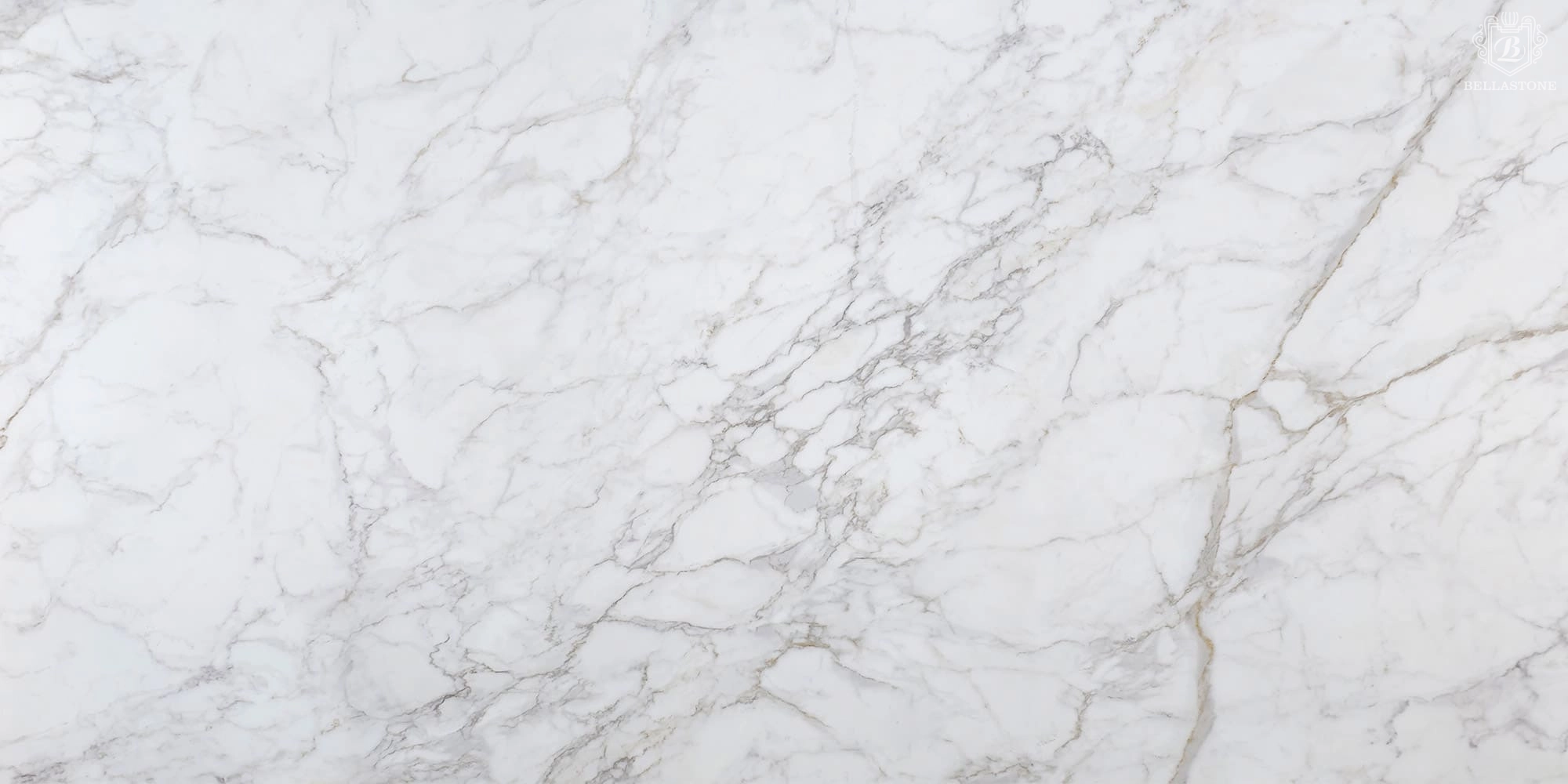
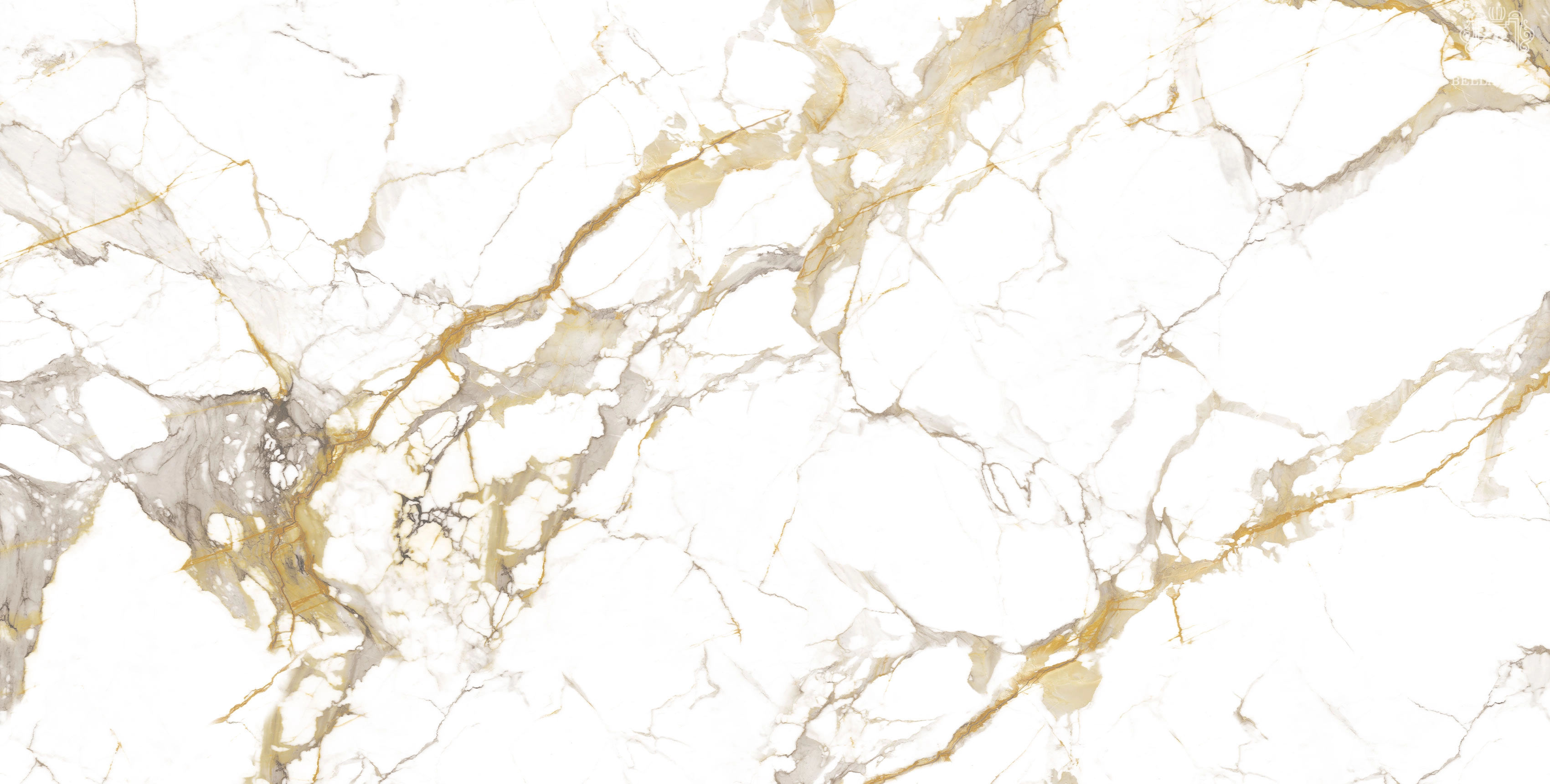
Printed quartz offers better consistency, lower maintenance, and higher resistance to stains and scratches, while delivering a similar visual effect.
Is printed quartz durable enough for countertops?
Yes. Printed quartz slabs maintain the same core strength as standard engineered quartz and are suitable for kitchen and bathroom countertops.
Care & Maintenace
Do I need to seal Bellastone quartz?
No sealing is required. Quartz surfaces are non-porous, making them resistant to stains, moisture, and bacteria by design.
Can I cut food directly on the quartz surface?
While the surface is scratch-resistant, we recommend using a cutting board to protect both the quartz and your knives.
FAQ
What is the minimum order quantity?
Minimum order quantity: 30 pieces.


Whether you're exploring design trends or planning your next build, our team is here to support with product advice, pricing, and tailored solutions.
Rest assured that your privacy is important to us, and all information provided will be handled with the utmost confidentiality.
By clicking "Send Inquiry Now", I agree to your processing my personal data.
To see how to withdraw your consent, how to control your personal data, and how we process it, please see our Privacy Policy and Terms of Use.
Bellastone, Premium Quartz Manufacturer & Exporter
© 2025 BELLASTONE. All Rights Reserved. | Privacy Policy | Terms and Conditions | Sitemap
Facebook
Linkedin
YouTube