



How can I confirm UV and heat resistance of quartz slabs?
- Comprehensive Guide to Purchasing Quartz Slabs: Key Considerations and FAQs
- 1. What are the key factors to consider when purchasing quartz slabs?
- 2. How can I confirm the UV and heat resistance of quartz slabs?
- 3. What are the common grades of quartz slabs, and how do they differ?
- 4. How do I maintain and care for quartz slabs?
- 5. What are the advantages of choosing BELLASTONE quartz slabs?
Comprehensive Guide to Purchasing Quartz Slabs: Key Considerations and FAQs
When considering the purchase of quartz slabs for your project, it's crucial to understand various factors to ensure you select the best material for your needs. Below are some frequently asked questions and their answers to assist you in making an informed decision.
1. What are the key factors to consider when purchasing quartz slabs?
When selecting quartz slabs, consider the following:
Quality and Composition: High-quality quartz slabs typically contain over 90% pure quartz crystals. Excessive resin content can compromise strength and heat resistance.
Heat Resistance: Quartz surfaces can withstand temperatures up to 150°C (300°F). However, sudden temperature changes can cause damage. It's advisable to use trivets or hot pads under hot cookware.
Stain Resistance: Quartz is generally resistant to stains. To test, draw with a marker on the surface and see if it can be wiped off. If it can, the slab has strong stain resistance.
Durability: Quartz is durable but can be scratched by sharp objects. Avoid cutting directly on the surface to maintain its appearance.
2. How can I confirm the UV and heat resistance of quartz slabs?
To assess UV and heat resistance:
Heat Resistance: Apply a lighter or place a hot object briefly on the slab. The material should not scorch, discolor, or deform.
UV Resistance: Quartz is susceptible to UV degradation, leading to discoloration over time. For outdoor applications, ensure the quartz is specifically designed for UV resistance.
3. What are the common grades of quartz slabs, and how do they differ?
Quartz slabs are graded based on quality:
Grade A: High-quality slabs with minimal imperfections, suitable for premium applications.
Grade B: Good quality with some minor imperfections, appropriate for standard applications.
Grade C: Lower quality with noticeable imperfections, best for budget-conscious projects.
4. How do I maintain and care for quartz slabs?
Proper maintenance includes:
Cleaning: Wipe with warm water and mild detergent using a soft cloth. Avoid harsh chemicals that can damage the surface.
Preventing Damage: Use cutting boards to prevent scratches and trivets to protect against heat damage.
Stain Removal: For stubborn stains, use a non-abrasive cleaner and a soft cloth. Avoid abrasive pads that can scratch the surface.
5. What are the advantages of choosing BELLASTONE quartz slabs?
BELLASTONE offers several benefits:
High-Quality Materials: BELLASTONE slabs are made with over 90% pure quartz crystals, ensuring durability and strength.
Heat and Stain Resistance: Designed to withstand high temperatures and resist stains, making them suitable for various applications.
Aesthetic Variety: A wide range of colors and patterns to match different design preferences.
Sustainability: Committed to environmentally friendly manufacturing processes.
By considering these factors and choosing a reputable supplier like BELLASTONE, you can ensure a successful and satisfying quartz slab purchase for your project.
References:


Care & Maintenace
How do I clean my quartz surface daily?
Simply use a soft cloth or sponge with mild soap and warm water. Avoid abrasive pads or harsh chemicals to maintain surface shine.
How do I remove stubborn stains or dried spills?
Use a non-abrasive household cleaner or a mixture of vinegar and water. For dried spills, gently scrape with a plastic putty knife.
FAQ
How does quartz stone compare to natural marble?
Durability: Higher hardness (Mohs scale 7 vs. marble 3-5),
Stronger resistance to scratching and impact
Stability: It has almost zero water absorption rate, with no risk of infiltration or discoloration, while marble requires regular sealing and maintenance
Consistency: The color and texture are controllable, without obvious color differences and flaws found in natural stone materials
Hygienic: Compact and non-porous surface, antibacterial and mold-resistant, easy to clean, meets food contact safety standards
Economical: low long-term maintenance costs, longer service life, and better overall cost-effectiveness
Printed Artificial Quartz Stone
Is printed quartz durable enough for countertops?
Yes. Printed quartz slabs maintain the same core strength as standard engineered quartz and are suitable for kitchen and bathroom countertops.
Is it suitable for commercial projects?
Absolutely. Its uniform appearance, durability, and scalability make it ideal for hotels, offices, retail, and large construction projects.
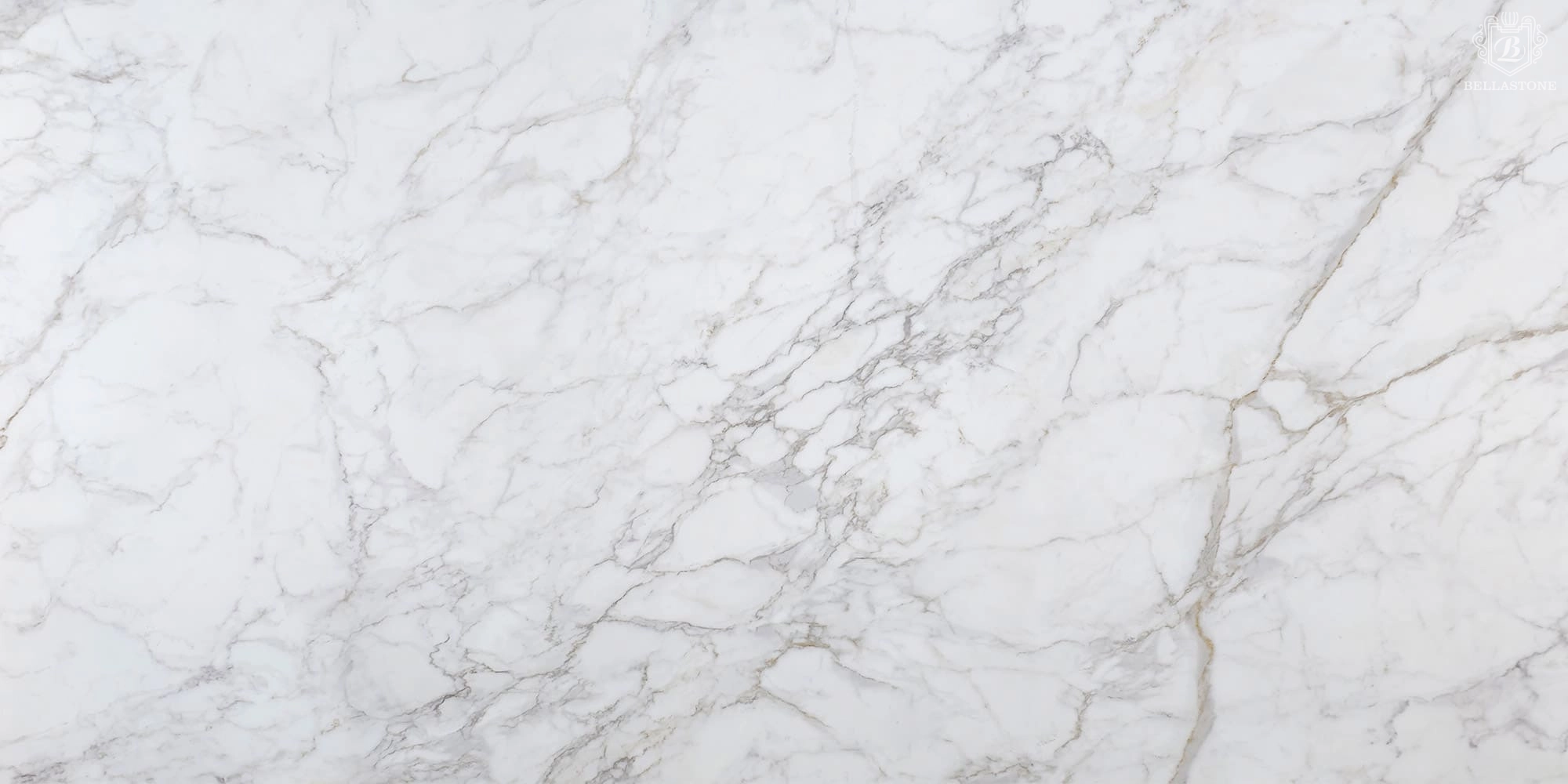

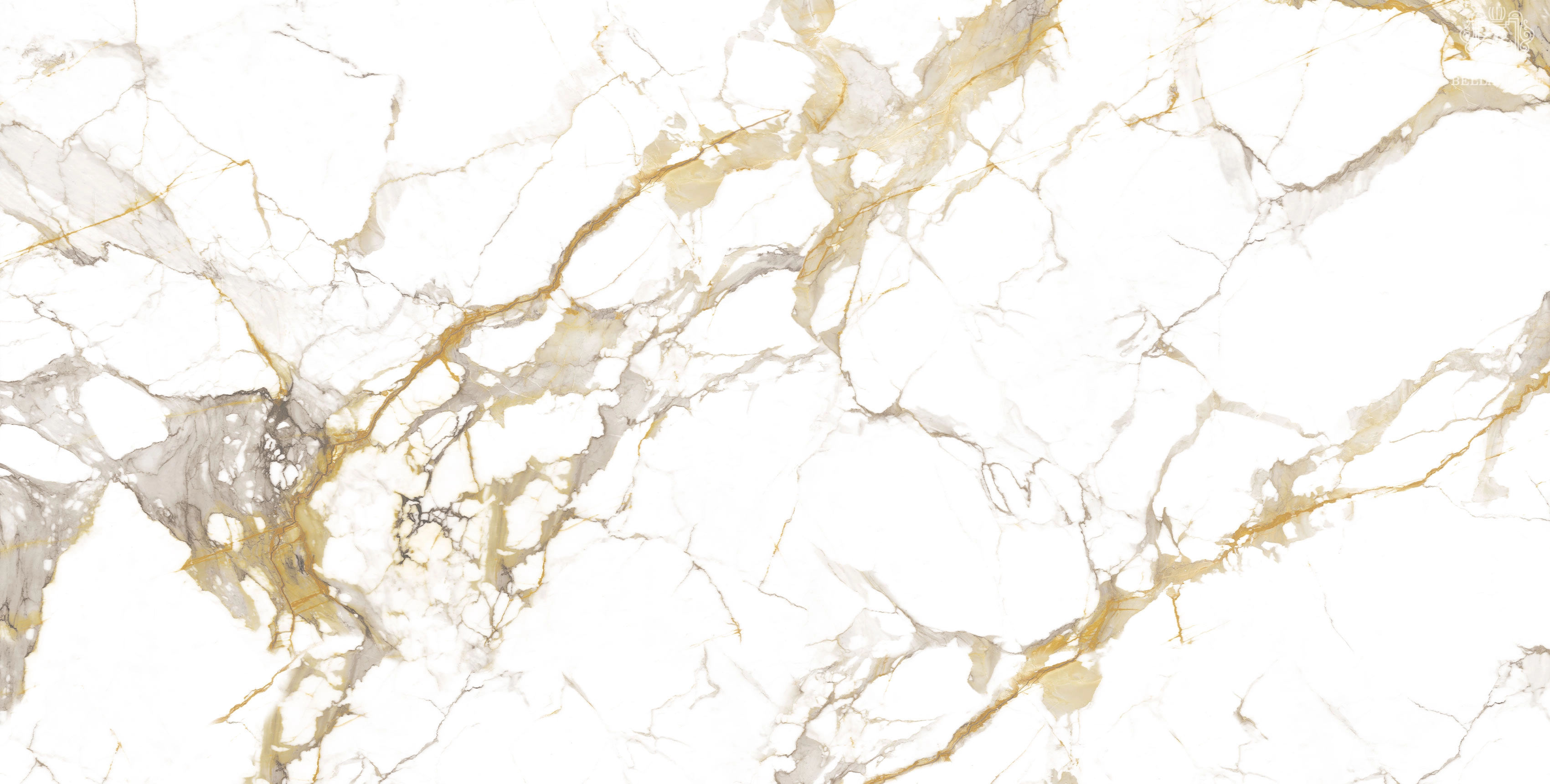


Whether you're exploring design trends or planning your next build, our team is here to support with product advice, pricing, and tailored solutions.
Rest assured that your privacy is important to us, and all information provided will be handled with the utmost confidentiality.
By clicking "Send Inquiry Now", I agree to your processing my personal data.
To see how to withdraw your consent, how to control your personal data, and how we process it, please see our Privacy Policy and Terms of Use.
Bellastone, Premium Quartz Manufacturer & Exporter
© 2025 BELLASTONE. All Rights Reserved. | Privacy Policy | Terms and Conditions | Sitemap
Facebook
Linkedin
YouTube