



How to negotiate payment terms with quartz slab vendors?
- Comprehensive Guide to Purchasing Quartz Slabs: Key Considerations and Negotiation Tips
- 1. What are the primary factors to consider when purchasing quartz slabs?
- 2. How can I verify the authenticity of quartz slabs?
- 3. What are the common uses of quartz slabs in construction and design?
- 4. What are the advantages of quartz slabs over other materials?
- 5. How should I negotiate payment terms with quartz slab vendors?
- 6. What are the typical costs associated with purchasing quartz slabs?
- 7. How can I ensure the longevity of quartz slabs after installation?
- 8. What are the environmental considerations when purchasing quartz slabs?
- Conclusion: Why Choose BELLASTONE for Your Quartz Slab Needs
Comprehensive Guide to Purchasing Quartz Slabs: Key Considerations and Negotiation Tips
When considering the purchase of quartz slabs, it's crucial to be informed about various aspects to ensure a successful transaction. Below are some frequently asked questions and their corresponding answers to guide you through the process.
1. What are the primary factors to consider when purchasing quartz slabs?
When purchasing quartz slabs, consider the following factors:
Quality and Authenticity: Ensure the quartz is genuine and sourced responsibly. Authentic quartz is known for its clarity and durability.
Supplier Reputation: Choose suppliers with positive reviews and a history of reliable service.
Price Transparency: Be aware of all costs involved, including shipping and potential import duties.
Customization Options: Determine if the supplier offers customization to meet your specific requirements.
Delivery and Installation Services: Check if the supplier provides delivery and installation services, and understand the associated costs.
2. How can I verify the authenticity of quartz slabs?
To verify the authenticity of quartz slabs:
Request Certification: Ask the supplier for certificates of authenticity or quality assurance.
Examine Physical Characteristics: Authentic quartz has a cool, glassy feel and may contain natural inclusions.
Consult Experts: Engage with professionals or use specialized tools to assess the material's authenticity.
3. What are the common uses of quartz slabs in construction and design?
Quartz slabs are versatile and commonly used for:
Countertops: Durable and aesthetically pleasing surfaces for kitchens and bathrooms.
Flooring: Provides a sleek and sturdy foundation for various spaces.
Wall Cladding: Enhances the visual appeal of interior and exterior walls.
Backsplashes: Offers a cohesive look in kitchens and bathrooms.
Vanity Tops: Combines functionality with elegance in bathrooms.
4. What are the advantages of quartz slabs over other materials?
Advantages of quartz slabs include:
Durability: Resistant to scratches, stains, and heat, making it ideal for high-traffic areas.
Low Maintenance: Non-porous surface that doesn't require sealing.
Aesthetic Variety: Available in numerous colors and patterns to suit various design preferences.
Consistency: Manufactured slabs offer uniformity in color and pattern.
5. How should I negotiate payment terms with quartz slab vendors?
Negotiating payment terms involves:
Understanding Standard Practices: Familiarize yourself with common industry payment terms, such as deposits, progress payments, and final payments.
Assessing Your Budget: Determine a payment schedule that aligns with your financial capacity.
Discussing Flexibility: Engage in open communication with the vendor to explore possible adjustments to standard terms.
Securing Written Agreements: Ensure all agreed-upon terms are documented to prevent future disputes.
6. What are the typical costs associated with purchasing quartz slabs?
Costs can vary based on:
Quality and Grade: Higher-quality slabs with unique patterns may cost more.
Size and Thickness: Larger or thicker slabs require more material and labor.
Customization: Additional services like edge treatments or custom cuts can increase costs.
Installation: Professional installation services add to the overall expense.
7. How can I ensure the longevity of quartz slabs after installation?
To maintain quartz slabs:
Regular Cleaning: Use mild soap and water to clean surfaces; avoid harsh chemicals.
Avoid Heat Exposure: Use trivets or hot pads to protect against heat damage.
Prevent Scratches: Use cutting boards and avoid dragging heavy objects across the surface.
Sealant Application: While quartz is non-porous, applying a sealant can provide an extra layer of protection.
8. What are the environmental considerations when purchasing quartz slabs?
Environmental considerations include:
Sourcing Practices: Choose suppliers who source quartz responsibly and adhere to ethical mining practices.
Manufacturing Processes: Opt for companies that implement sustainable manufacturing methods.
Recycling Options: Inquire if the supplier offers recycling programs for old quartz materials.
Conclusion: Why Choose BELLASTONE for Your Quartz Slab Needs
BELLASTONE stands out in the quartz slab industry by offering:
High-Quality Products: Our slabs are sourced from reputable suppliers, ensuring authenticity and durability.
Competitive Pricing: We provide transparent pricing with no hidden fees, offering value for your investment.
Expert Consultation: Our team offers personalized advice to help you select the perfect quartz slab for your project.
Sustainable Practices: We are committed to environmentally responsible sourcing and manufacturing processes.
By choosing BELLASTONE, you ensure a seamless and satisfying experience in acquiring quartz slabs that meet your aesthetic and functional requirements.
References:


FAQ
Which is more expensive, artificial quartz stone or natural stone?
If we only consider the purchase price per square meter, artificial quartz stone is usually more expensive than ordinary granite but cheaper than top-grade marble. However, considering the total cost over the long term, the cost-effectiveness of durable artificial quartz stone that requires no maintenance may be higher; whereas marble, which requires regular professional maintenance, may be more expensive in terms of long-term total expenditure.
Is quartz countertop durable?
Excellent physical properties, sturdy and wear-resistant
Key advantages in daily use: scratch resistance, stain resistance, and high temperature resistance
It stands out more in terms of durability compared to common countertop materials such as natural marble and granite
No special maintenance is required, and it is easy to clean. With normal use and maintenance, its aesthetics and functionality can be maintained for decades.
How does quartz stone compare to natural marble?
Durability: Higher hardness (Mohs scale 7 vs. marble 3-5),
Stronger resistance to scratching and impact
Stability: It has almost zero water absorption rate, with no risk of infiltration or discoloration, while marble requires regular sealing and maintenance
Consistency: The color and texture are controllable, without obvious color differences and flaws found in natural stone materials
Hygienic: Compact and non-porous surface, antibacterial and mold-resistant, easy to clean, meets food contact safety standards
Economical: low long-term maintenance costs, longer service life, and better overall cost-effectiveness
Care & Maintenace
How do I remove stubborn stains or dried spills?
Use a non-abrasive household cleaner or a mixture of vinegar and water. For dried spills, gently scrape with a plastic putty knife.
Printed Artificial Quartz Stone
Is printed quartz durable enough for countertops?
Yes. Printed quartz slabs maintain the same core strength as standard engineered quartz and are suitable for kitchen and bathroom countertops.
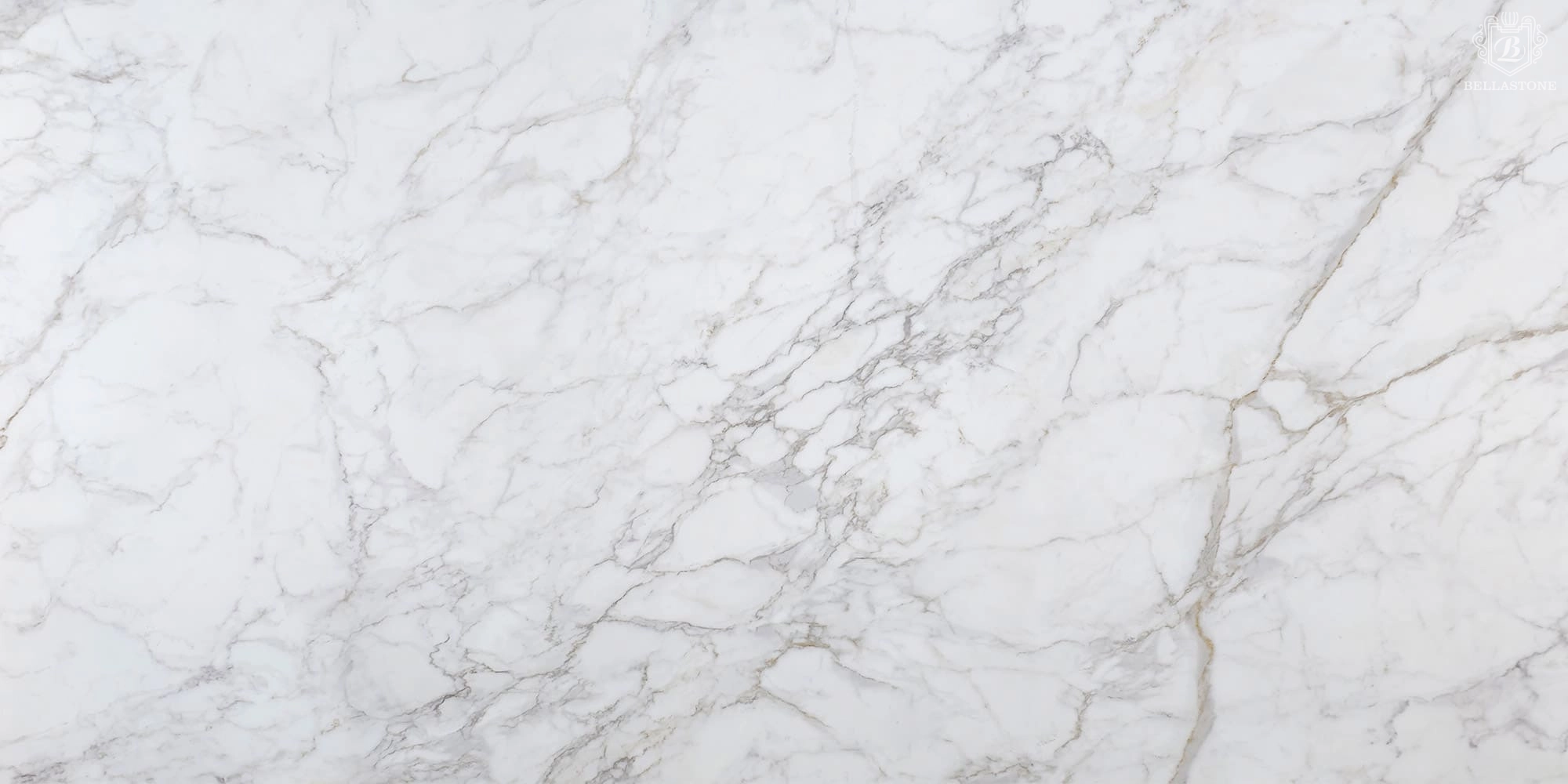


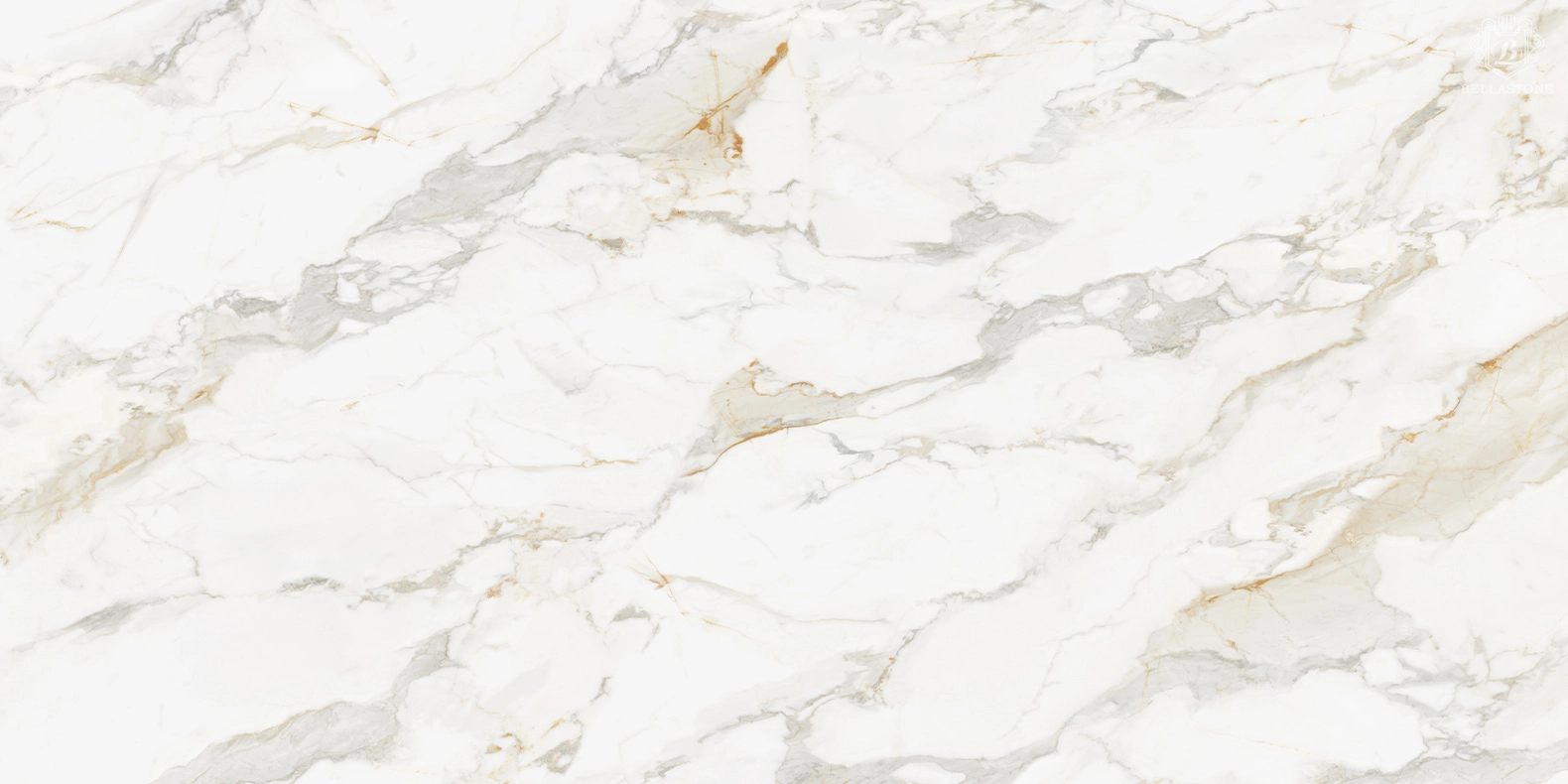
Whether you're exploring design trends or planning your next build, our team is here to support with product advice, pricing, and tailored solutions.
Rest assured that your privacy is important to us, and all information provided will be handled with the utmost confidentiality.
By clicking "Send Inquiry Now", I agree to your processing my personal data.
To see how to withdraw your consent, how to control your personal data, and how we process it, please see our Privacy Policy and Terms of Use.
Bellastone, Premium Quartz Manufacturer & Exporter
© 2026 BELLASTONE. All Rights Reserved. | Privacy Policy | Terms and Conditions | Sitemap
Facebook
Linkedin
YouTube