



How do I ensure slab dimensions meet project specifications?
- Comprehensive Guide to Purchasing Quartz Slabs: Key Considerations and Expert Tips
- 1. What are the different types of quartz slabs available for purchase?
- 2. How do I ensure slab dimensions meet project specifications?
- 3. What factors should I consider when selecting a quartz slab supplier?
- 4. How do I maintain and care for quartz slabs after installation?
- 5. What are the environmental considerations when purchasing quartz slabs?
- 6. What are the cost factors associated with purchasing quartz slabs?
- 7. How do I ensure the quartz slab complements my interior design?
- 8. What are the latest trends in quartz slab designs?
Comprehensive Guide to Purchasing Quartz Slabs: Key Considerations and Expert Tips
When embarking on a project that involves quartz slabs, it's crucial to make informed decisions to ensure the final result meets your expectations. Below are some of the most frequently asked questions by industry professionals and consumers alike, along with detailed answers to guide you through the process.
1. What are the different types of quartz slabs available for purchase?
Quartz slabs come in various types, each with unique characteristics:
Clear Quartz: Known for its transparency and clarity, clear quartz is often used in applications requiring a pure, uncolored appearance.
Amethyst Quartz: This variety features a purple hue and is valued for its aesthetic appeal and metaphysical properties.
Rose Quartz: Characterized by its pink color, rose quartz is associated with love and healing energies.
Smoky Quartz: Offering a smoky appearance, this type is believed to have grounding properties.
Rutilated Quartz: Contains needle-like inclusions of rutile, adding a unique visual element to the slab.
2. How do I ensure slab dimensions meet project specifications?
Ensuring that quartz slab dimensions align with your project requirements involves several key steps:
Accurate Measurement: Before purchasing, measure the area where the slab will be installed, accounting for any irregularities or obstacles.
Consultation with Suppliers: Engage with reputable suppliers to discuss your specific needs. They can provide guidance on standard slab sizes and assist in sourcing custom dimensions if necessary.
Consideration of Slab Thickness: Quartz slabs typically come in various thicknesses, such as 2 cm and 3 cm. Choose the thickness that best suits the structural requirements and aesthetic preferences of your project.
Account for Edge Treatments: If your project includes custom edge treatments, ensure that the slab dimensions accommodate these modifications without compromising the overall design.
Verification of Tolerances: Confirm that the supplier can provide slabs within acceptable dimensional tolerances to ensure a precise fit during installation.
3. What factors should I consider when selecting a quartz slab supplier?
Choosing the right supplier is vital for the success of your project. Consider the following factors:
Reputation and Reviews: Research the supplier's reputation by reading customer reviews and testimonials. A supplier with positive feedback is more likely to provide quality products and services.
Product Quality: Ensure that the supplier offers high-quality quartz slabs that meet industry standards. Look for certifications or quality assurances that the slabs are free from defects and inconsistencies.
Customization Options: If your project requires specific colors, patterns, or sizes, confirm that the supplier can accommodate these customizations.
Delivery and Logistics: Consider the supplier's delivery capabilities, including shipping times, costs, and the ability to handle logistics for large or heavy slabs.
Customer Support: Evaluate the level of customer support provided, including responsiveness to inquiries, assistance with product selection, and after-sales service.
4. How do I maintain and care for quartz slabs after installation?
Proper maintenance ensures the longevity and beauty of your quartz slabs:
Regular Cleaning: Clean the surface with a mild dish soap solution and a soft cloth. Avoid harsh chemicals or abrasive materials that can damage the surface.
Avoid Heat and Chemicals: Do not place hot pots or pans directly on the quartz surface, as extreme heat can cause damage. Also, avoid using strong chemicals or cleaners that can degrade the material.
Use Cutting Boards: Always use cutting boards when preparing food to prevent scratches and maintain the slab's appearance.
Prompt Spill Cleanup: Wipe up spills immediately to prevent staining, especially from substances like wine, coffee, or acidic foods.
5. What are the environmental considerations when purchasing quartz slabs?
Being mindful of environmental impact is important:
Sourcing Practices: Choose suppliers who source quartz responsibly, ensuring minimal environmental disruption and ethical labor practices.
Sustainability Certifications: Look for slabs that have been certified for sustainability, indicating that they meet environmental standards.
Recycling Options: Consider suppliers who offer recycling programs for quartz slabs, allowing for reuse and reducing waste.
6. What are the cost factors associated with purchasing quartz slabs?
Understanding the cost components helps in budgeting:
Material Quality: Higher-quality quartz with unique patterns or colors may cost more.
Customization: Custom sizes, edge treatments, or finishes can increase the overall price.
Thickness: Thicker slabs generally cost more due to the increased material used.
Supplier Pricing: Prices can vary between suppliers based on their sourcing, overhead costs, and market positioning.
Installation Costs: Factor in the cost of professional installation, which can vary based on complexity and location.
7. How do I ensure the quartz slab complements my interior design?
Achieving design harmony involves:
Color Coordination: Select a quartz slab color that complements your existing décor and color scheme.
Pattern Selection: Choose a pattern that aligns with the style of your space, whether it's modern, traditional, or rustic.
Sample Testing: Obtain samples to see how the slab looks in your space under different lighting conditions before making a final decision.
8. What are the latest trends in quartz slab designs?
Staying updated with trends can enhance your project's appeal:
Veined Patterns: Slabs with bold, dramatic veining are popular for creating a statement.
Matte Finishes: Matte or honed finishes are trending for their understated elegance and ease of maintenance.
Integrated Backsplashes: Seamless backsplashes made from the same quartz slab create a cohesive and modern look.
Conclusion
Purchasing quartz slabs requires careful consideration of various factors, from material selection to supplier choice and maintenance practices. By addressing these key questions and following the expert tips provided, you can ensure that your quartz slab purchase aligns with your project's specifications and aesthetic goals.
BELLASTONE's Advantages
BELLASTONE stands out in the quartz slab industry by offering:
High-Quality Materials: Providing slabs sourced from reputable quarries, ensuring durability and aesthetic appeal.
Customization Services: Offering tailored solutions to meet specific project requirements, including custom sizes and edge treatments.
Expert Guidance: Providing knowledgeable support to assist clients in making informed decisions throughout the purchasing process.
Sustainable Practices: Committed to environmentally responsible sourcing and offering recycling options for used slabs.
By choosing BELLASTONE, you can be confident in receiving quality products and exceptional service for your quartz slab needs.
**References**Note: The above references provide additional information on quartz slab types and their characteristics.


FAQ
How does quartz stone compare to natural marble?
Durability: Higher hardness (Mohs scale 7 vs. marble 3-5),
Stronger resistance to scratching and impact
Stability: It has almost zero water absorption rate, with no risk of infiltration or discoloration, while marble requires regular sealing and maintenance
Consistency: The color and texture are controllable, without obvious color differences and flaws found in natural stone materials
Hygienic: Compact and non-porous surface, antibacterial and mold-resistant, easy to clean, meets food contact safety standards
Economical: low long-term maintenance costs, longer service life, and better overall cost-effectiveness
Can it be made into a finished product?
Yes, we support customization and installation.
Printed Artificial Quartz Stone
What is printed quartz stone?
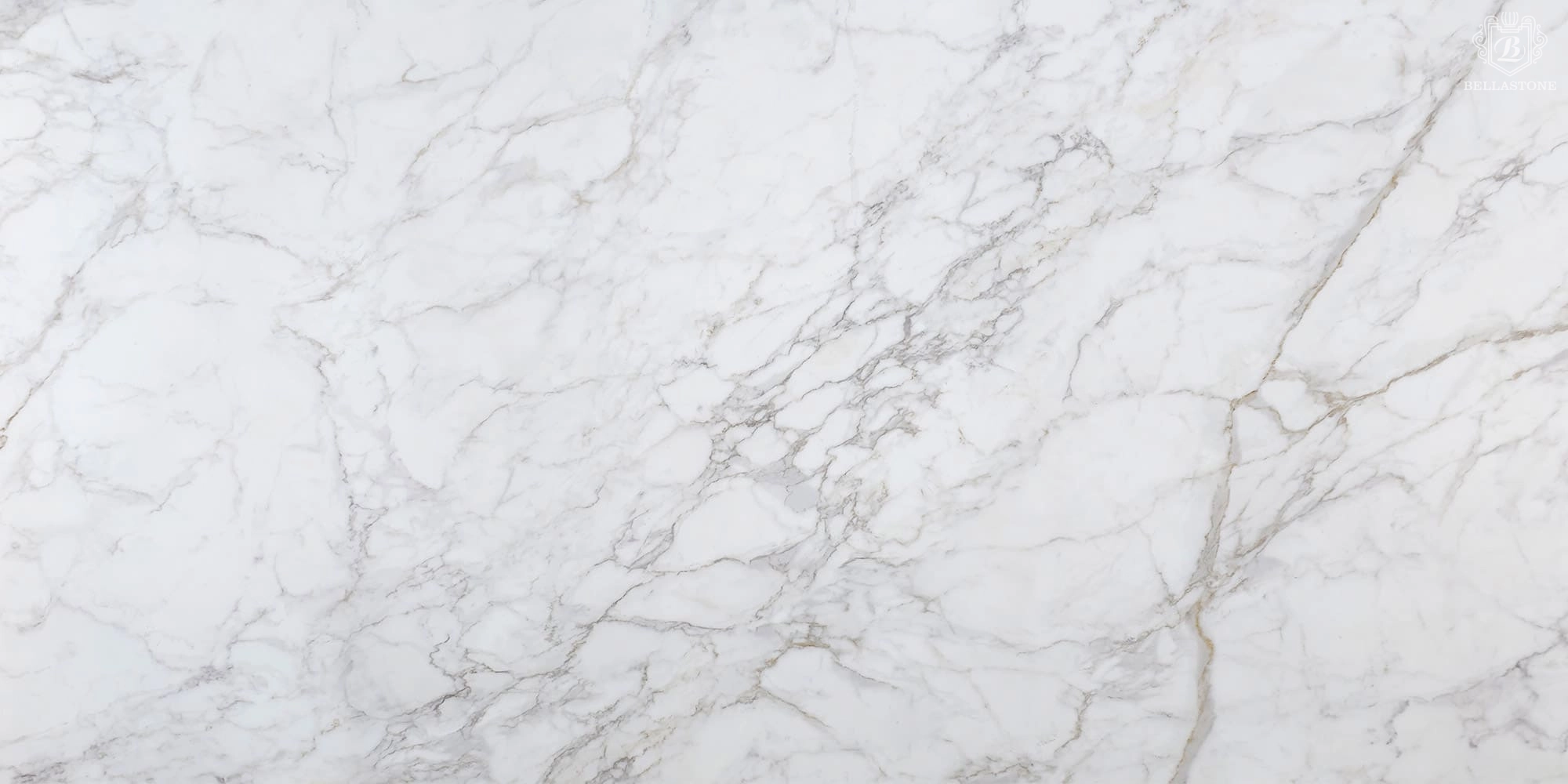
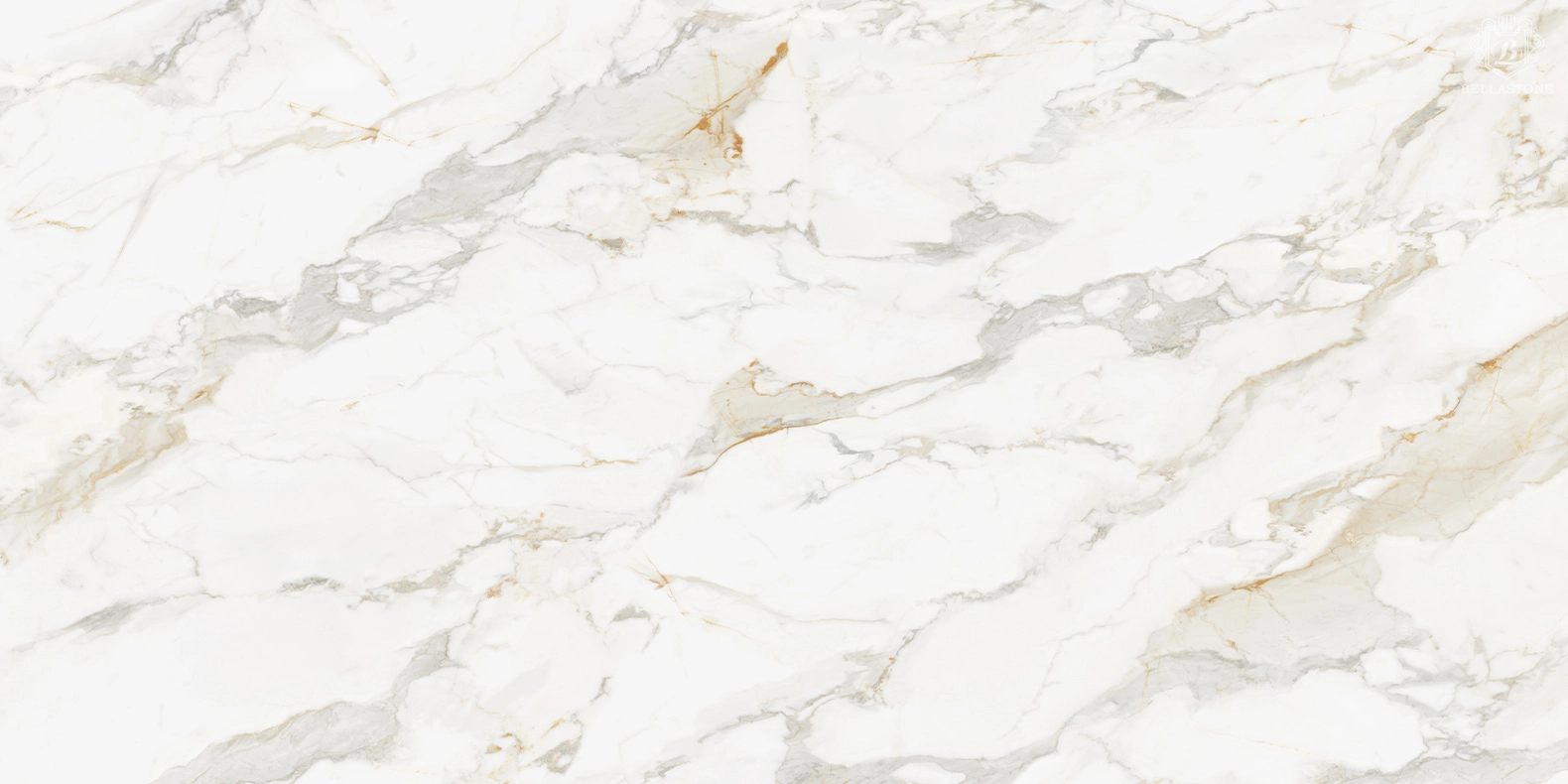
Printed quartz stone is an engineered quartz slab with high-definition printed surface patterns that simulate natural stone aesthetics while maintaining quartz performance.
How does printed quartz compare to natural marble?
Printed quartz offers better consistency, lower maintenance, and higher resistance to stains and scratches, while delivering a similar visual effect.
Care & Maintenace
Do I need to seal Bellastone quartz?
No sealing is required. Quartz surfaces are non-porous, making them resistant to stains, moisture, and bacteria by design.


Whether you're exploring design trends or planning your next build, our team is here to support with product advice, pricing, and tailored solutions.
Rest assured that your privacy is important to us, and all information provided will be handled with the utmost confidentiality.
By clicking "Send Inquiry Now", I agree to your processing my personal data.
To see how to withdraw your consent, how to control your personal data, and how we process it, please see our Privacy Policy and Terms of Use.
Bellastone, Premium Quartz Manufacturer & Exporter
© 2026 BELLASTONE. All Rights Reserved. | Privacy Policy | Terms and Conditions | Sitemap
Facebook
Linkedin
YouTube