



How to assess the long term color stability of quartz slabs?
- Comprehensive Guide to Purchasing Quartz Slabs: Key Considerations and Quality Assessment
- 1. What Are Quartz Slabs and Their Common Applications?
- 2. How Do I Assess the Quality of Quartz Slabs?
- 3. What Factors Affect the Long-Term Color Stability of Quartz Slabs?
- 4. How Can I Ensure the Durability of Quartz Slabs?
- 5. What Are the Benefits of Choosing BELLASTONE Quartz Slabs?
Comprehensive Guide to Purchasing Quartz Slabs: Key Considerations and Quality Assessment
When considering the purchase of quartz slabs for your project, it's crucial to understand the factors that influence their quality, durability, and aesthetic appeal. This guide addresses common questions and provides expert insights to assist you in making informed decisions.
1. What Are Quartz Slabs and Their Common Applications?
Quartz slabs are engineered stones composed primarily of natural quartz crystals bound together with resins and pigments. They are renowned for their durability, low maintenance, and versatility, making them ideal for countertops, backsplashes, flooring, and other interior applications.
2. How Do I Assess the Quality of Quartz Slabs?
Evaluating the quality of quartz slabs involves several key steps:
Thickness Consistency: Measure the slab at various points using a vernier caliper to ensure uniform thickness, typically ranging from 12mm to 30mm. Inconsistencies may indicate manufacturing flaws.
Surface Smoothness: Inspect the surface for microcracks, rough areas, or uneven textures. A high-quality slab should have a smooth, even surface without imperfections.
Color and Pattern Consistency: Ensure the slab exhibits uniform color and pattern throughout. Variations can affect the aesthetic appeal and may indicate lower quality.
Resin-to-Quartz Ratio: A premium slab should contain approximately 90–93% natural quartz. Excessive resin can lead to increased susceptibility to scratches, heat damage, and UV discoloration.
3. What Factors Affect the Long-Term Color Stability of Quartz Slabs?
Several factors influence the color stability of quartz slabs over time:
UV Exposure: Slabs without quality UV inhibitors may fade or discolor when exposed to sunlight.
Resin Quality: High-quality resins contribute to better color retention and overall durability.
Storage and Handling: Proper storage and acclimation of slabs before installation can prevent issues like warping or discoloration.
4. How Can I Ensure the Durability of Quartz Slabs?
To maintain the durability of quartz slabs:
Proper Installation: Ensure slabs are installed by professionals to prevent issues like warping or cracking.
Regular Maintenance: Clean surfaces with mild soap and water; avoid harsh chemicals that can damage the surface.
Avoid Direct Sunlight: Limit exposure to direct sunlight to prevent potential fading or discoloration.
5. What Are the Benefits of Choosing BELLASTONE Quartz Slabs?
BELLASTONE offers several advantages:
High-Quality Materials: BELLASTONE slabs are crafted with a high resin-to-quartz ratio, ensuring durability and aesthetic appeal.
Color Consistency: The brand emphasizes uniform color and pattern across slabs, enhancing the visual appeal of your project.
UV Stability: BELLASTONE slabs are treated with quality UV inhibitors, maintaining color stability over time.
Expert Support: BELLASTONE provides comprehensive support, from selection to installation, ensuring a seamless experience.
By considering these factors and choosing BELLASTONE, you can ensure a successful and enduring quartz slab installation for your project.


Printed Artificial Quartz Stone
Can I customize patterns or colors?
Yes. BELLASTONE offers customized printed designs, colors, and slab specifications for OEM and project orders.
What is printed quartz stone?
Printed quartz stone is an engineered quartz slab with high-definition printed surface patterns that simulate natural stone aesthetics while maintaining quartz performance.
FAQ
What scenarios is it applicable to?
Kitchen countertops and island tops, bathroom vanity tops, wall decorations and feature walls, commercial interior design, restaurants and public buildings, residential renovation projects.
How to clean and maintain quartz stone?
Routine maintenance is quite straightforward:
Regular cleaning: Wipe with a soft cloth and neutral detergent, no special maintenance agent required
Stubborn stains: Use special cleaning paste for stone materials, avoid using strong acid or alkali products
Repair suggestion: If superficial scratches are accidentally caused, contact a professional for surface polishing repair
Precautions: Avoid leaving high-temperature cookware on the stove for extended periods (it is recommended to use a trivet). Do not
Care & Maintenace
Is Bellastone quartz heat-resistant?
Quartz is heat-resistant, but not heat-proof. Always use trivets or hot pads to protect the surface from direct heat or hot cookware.
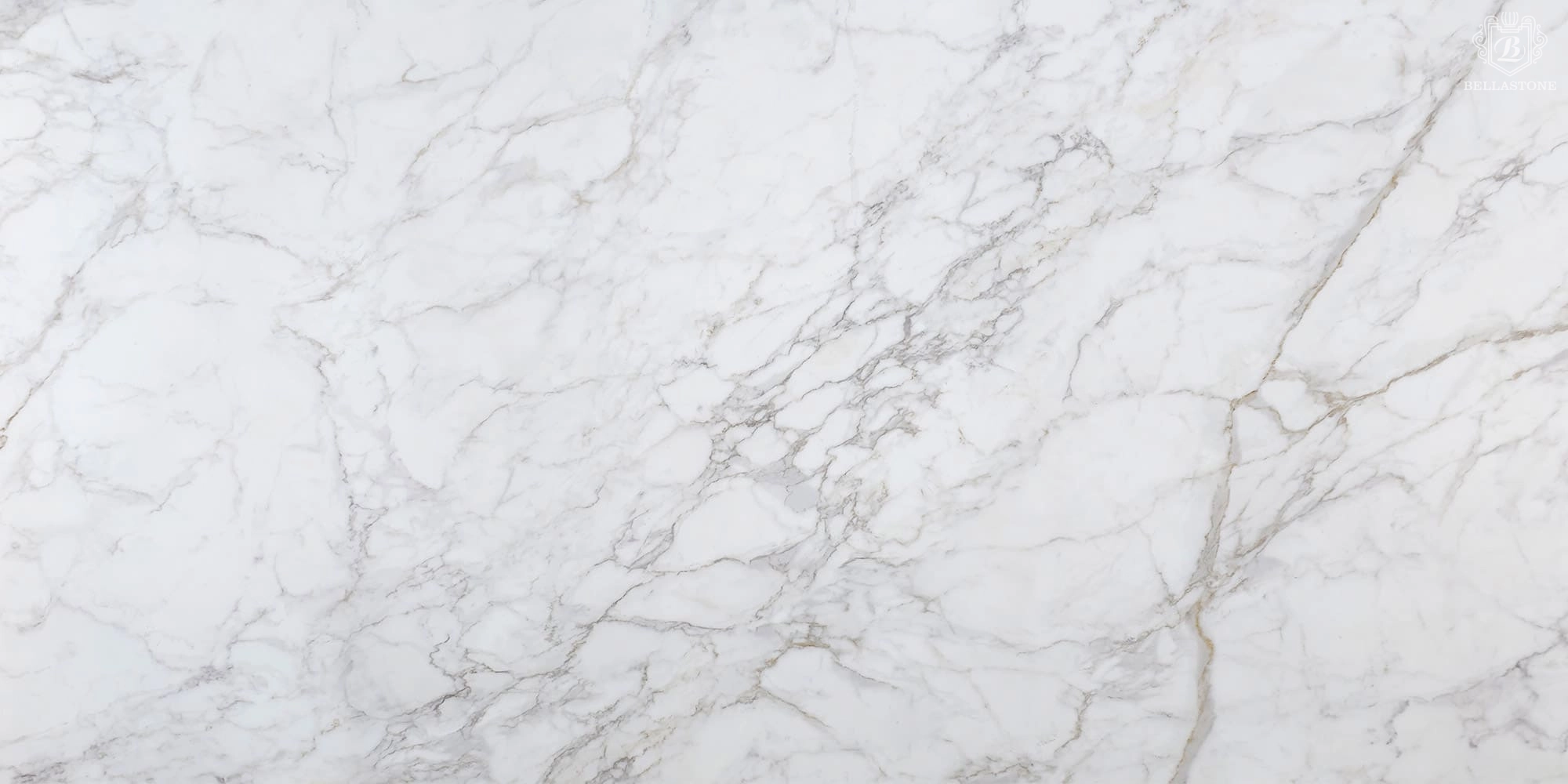
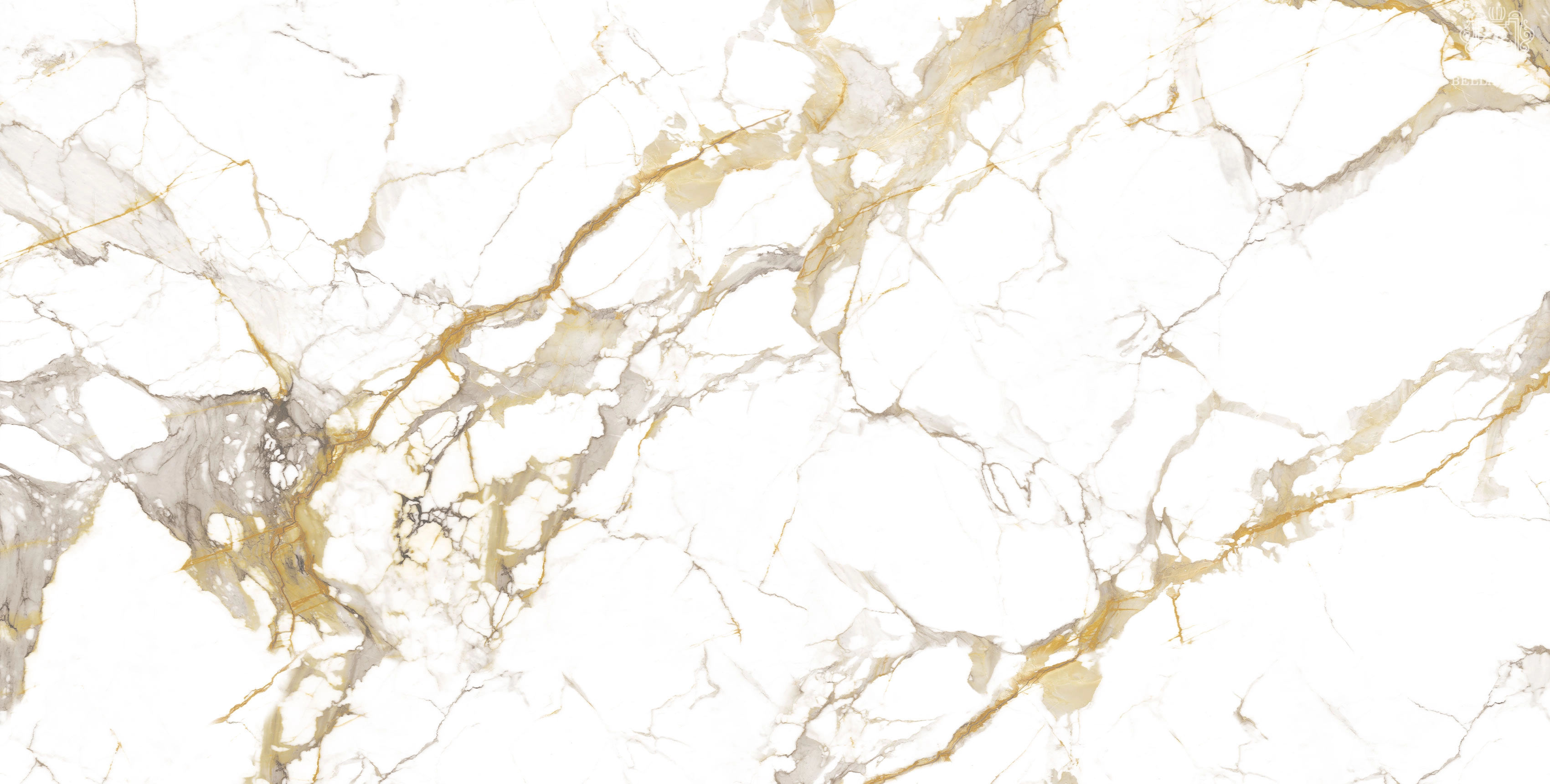
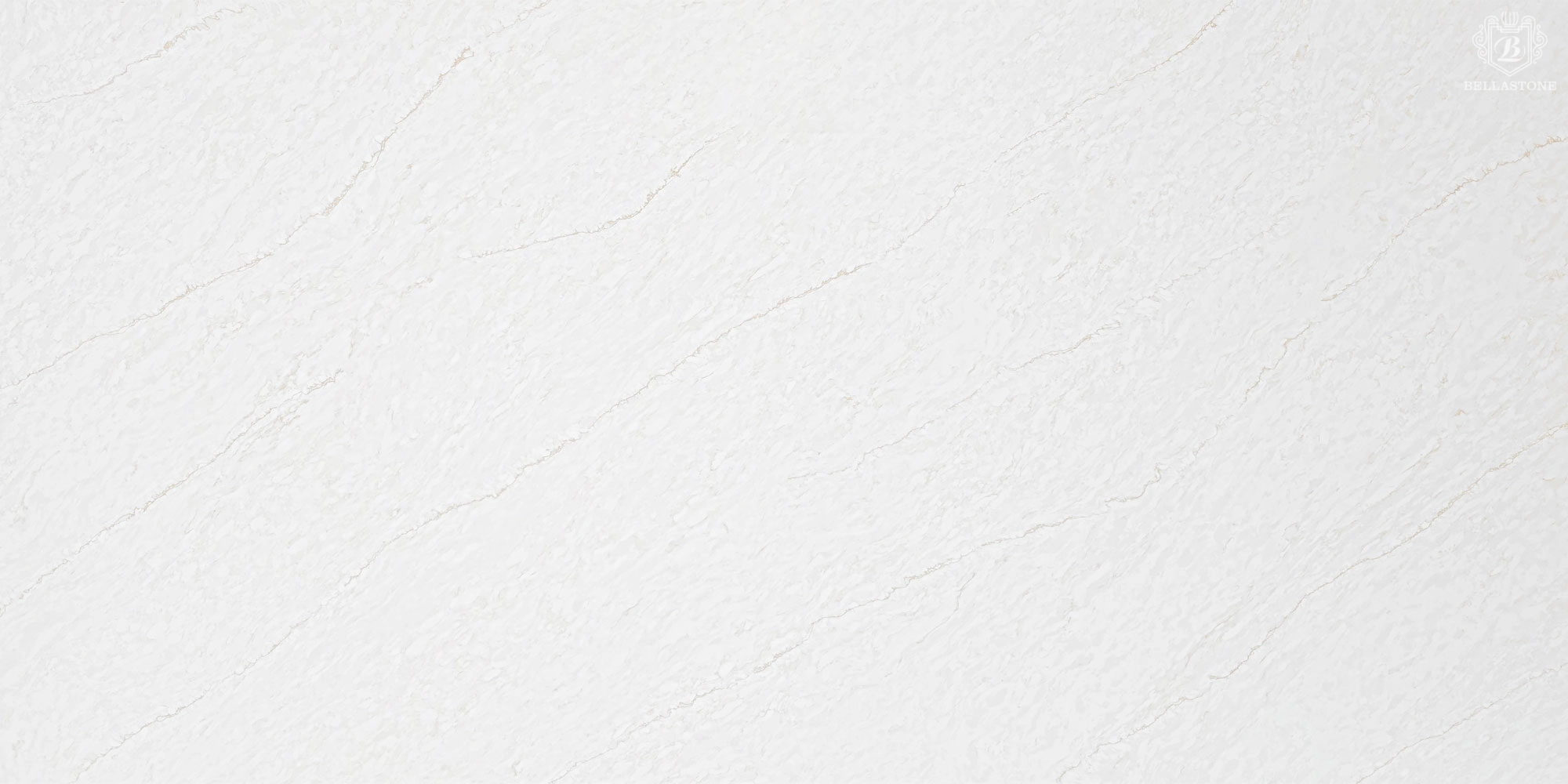


Whether you're exploring design trends or planning your next build, our team is here to support with product advice, pricing, and tailored solutions.
Rest assured that your privacy is important to us, and all information provided will be handled with the utmost confidentiality.
By clicking "Send Inquiry Now", I agree to your processing my personal data.
To see how to withdraw your consent, how to control your personal data, and how we process it, please see our Privacy Policy and Terms of Use.
Bellastone, Premium Quartz Manufacturer & Exporter
© 2025 BELLASTONE. All Rights Reserved. | Privacy Policy | Terms and Conditions | Sitemap
Facebook
Linkedin
YouTube