


What certifications ensure low VOC emissions from quartz slabs?
- Comprehensive Guide to Purchasing Quartz Slabs: Key Considerations and Certifications
- 1. What are the primary factors to consider when purchasing quartz slabs?
- 2. What certifications indicate low VOC emissions in quartz slabs?
- 3. How do low VOC emissions in quartz slabs benefit indoor air quality?
- 4. Are there quartz slabs that meet both aesthetic and environmental standards?
- 5. How can I verify the certifications of quartz slabs before purchasing?
- 6. What are the environmental benefits of choosing low VOC emitting quartz slabs?
- 7. Are there quartz slabs that contribute to green building certifications?
- 8. How does BELLASTONE ensure the quality and environmental compliance of its quartz slabs?
Comprehensive Guide to Purchasing Quartz Slabs: Key Considerations and Certifications
When selecting quartz slabs for your projects, it's crucial to consider various factors to ensure you choose the best material that aligns with your needs and environmental standards. Below are some common questions and answers to guide you through the process:
1. What are the primary factors to consider when purchasing quartz slabs?
When purchasing quartz slabs, consider the following factors:
Quality and Durability: Ensure the slabs are manufactured to high standards, offering longevity and resistance to wear.
Design and Aesthetics: Choose colors and patterns that complement your design vision.
Environmental Impact: Opt for slabs with low VOC emissions to promote healthier indoor air quality.
Certifications: Look for industry-recognized certifications that validate the slab's quality and environmental compliance.
2. What certifications indicate low VOC emissions in quartz slabs?
Certifications that indicate low VOC emissions in quartz slabs include:
GREENGUARD Certification: This certification ensures that products have low chemical emissions, contributing to healthier indoor air quality.
LEED Certification: Quartz slabs that contribute to LEED points for low-emitting materials help in achieving green building standards.
MAS Certified Green: This certification indicates that products have been tested for low VOC emissions, ensuring they meet environmental standards.
3. How do low VOC emissions in quartz slabs benefit indoor air quality?
Low VOC emissions in quartz slabs contribute to healthier indoor air quality by reducing the presence of harmful chemicals in the air. This is particularly important in environments such as schools, healthcare facilities, and homes, where air quality directly impacts health and well-being.
4. Are there quartz slabs that meet both aesthetic and environmental standards?
Yes, many quartz slabs meet both aesthetic and environmental standards. For example:
Linnstone Quartz Surfaces: These surfaces are GREENGUARD certified, ensuring low chemical emissions while offering a variety of designs to suit different aesthetic preferences.
Cambria Quartz Surfaces: Cambria surfaces are GREENGUARD certified and do not contain formaldehyde or VOCs, providing both environmental benefits and a range of design options.
5. How can I verify the certifications of quartz slabs before purchasing?
To verify the certifications of quartz slabs:
Request Documentation: Ask the supplier for official certification documents or links to certification bodies.
Check Manufacturer's Website: Reputable manufacturers often display their certifications on their official websites.
Consult Certification Bodies: Visit the websites of certification organizations like GREENGUARD or LEED to verify the status of the product.
6. What are the environmental benefits of choosing low VOC emitting quartz slabs?
Choosing low VOC emitting quartz slabs offers several environmental benefits:
Improved Indoor Air Quality: Reduces the concentration of harmful chemicals in indoor environments.
Sustainability: Supports green building practices and contributes to environmental conservation.
Healthier Living Spaces: Promotes better health and well-being for occupants by minimizing exposure to toxic substances.
7. Are there quartz slabs that contribute to green building certifications?
Yes, certain quartz slabs contribute to green building certifications:
LEED Certification: Quartz slabs that meet low-emitting material standards can contribute to LEED points, aiding in achieving green building certification.
GREENGUARD Certification: Products with this certification help improve indoor air quality and can be eligible for green building credits.
8. How does BELLASTONE ensure the quality and environmental compliance of its quartz slabs?
BELLASTONE is committed to providing high-quality quartz slabs that meet environmental standards. Our products are:
Certified for Low VOC Emissions: Ensuring healthier indoor air quality.
Aesthetically Diverse: Offering a wide range of designs to suit various preferences.
Sustainably Manufactured: Produced with environmentally responsible practices.
By choosing BELLASTONE, you are selecting a brand that prioritizes both quality and environmental responsibility in its quartz slabs.


Printed Artificial Quartz Stone
What is printed quartz stone?
Printed quartz stone is an engineered quartz slab with high-definition printed surface patterns that simulate natural stone aesthetics while maintaining quartz performance.
How does printed quartz compare to natural marble?
Printed quartz offers better consistency, lower maintenance, and higher resistance to stains and scratches, while delivering a similar visual effect.
Is it suitable for commercial projects?
Absolutely. Its uniform appearance, durability, and scalability make it ideal for hotels, offices, retail, and large construction projects.
Care & Maintenace
How do I clean my quartz surface daily?
Simply use a soft cloth or sponge with mild soap and warm water. Avoid abrasive pads or harsh chemicals to maintain surface shine.
Can I cut food directly on the quartz surface?
While the surface is scratch-resistant, we recommend using a cutting board to protect both the quartz and your knives.
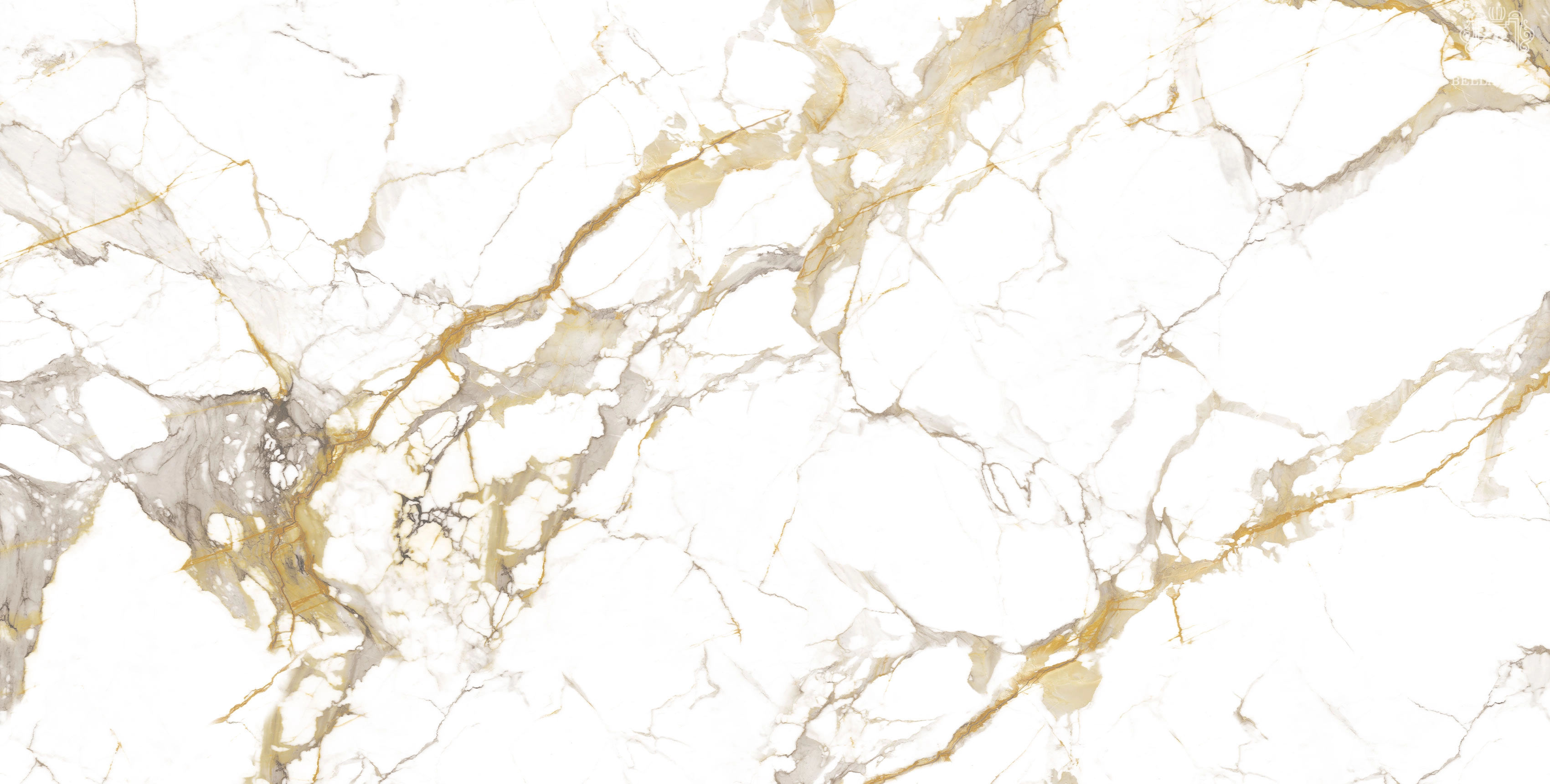



Whether you're exploring design trends or planning your next build, our team is here to support with product advice, pricing, and tailored solutions.
Rest assured that your privacy is important to us, and all information provided will be handled with the utmost confidentiality.
By clicking "Send Inquiry Now", I agree to your processing my personal data.
To see how to withdraw your consent, how to control your personal data, and how we process it, please see our Privacy Policy and Terms of Use.
Bellastone, Premium Quartz Manufacturer & Exporter
© 2025 BELLASTONE. All Rights Reserved. | Privacy Policy | Terms and Conditions | Sitemap
Facebook
Linkedin
YouTube