



How do Calacatta patterns influence resale appeal?
- Understanding Calacatta Quartz Countertops
- 1. How Do I Choose the Right Calacatta Quartz Slab for My Project?
- 2. What Are the Maintenance Requirements for Calacatta Quartz Countertops?
- 3. How Do Calacatta Patterns Influence Resale Appeal?
- 4. Are There Cost Differences Between Calacatta Quartz and Natural Marble?
- 5. Can Calacatta Quartz Be Used in Outdoor Spaces?
- 6. How Do Calacatta Quartz Countertops Compare to Other Quartz Options?
- 7. What Are the Environmental Considerations When Choosing Calacatta Quartz?
- 8. How Do I Care for Calacatta Quartz to Maintain Its Appearance?
Understanding Calacatta Quartz Countertops
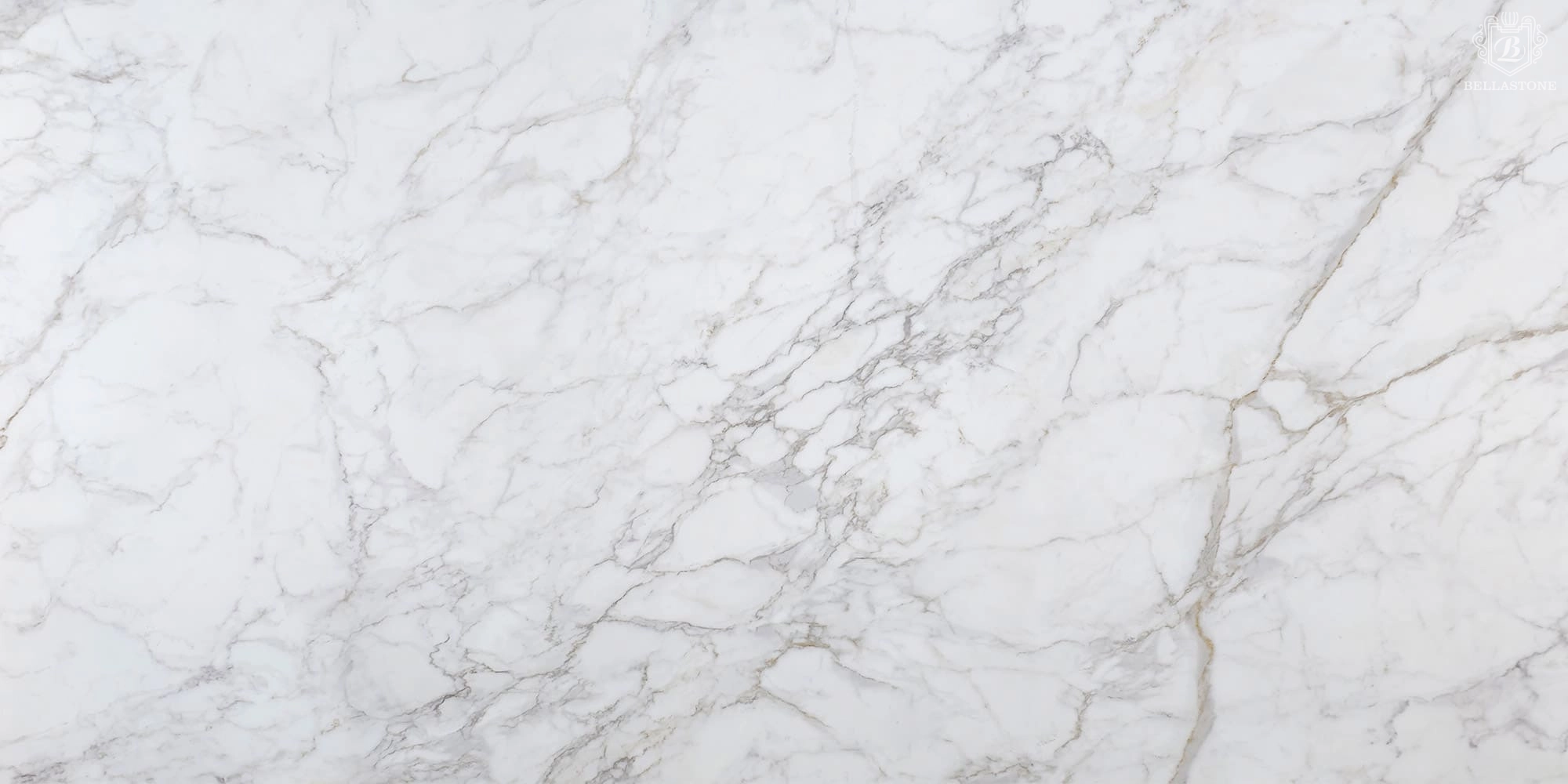
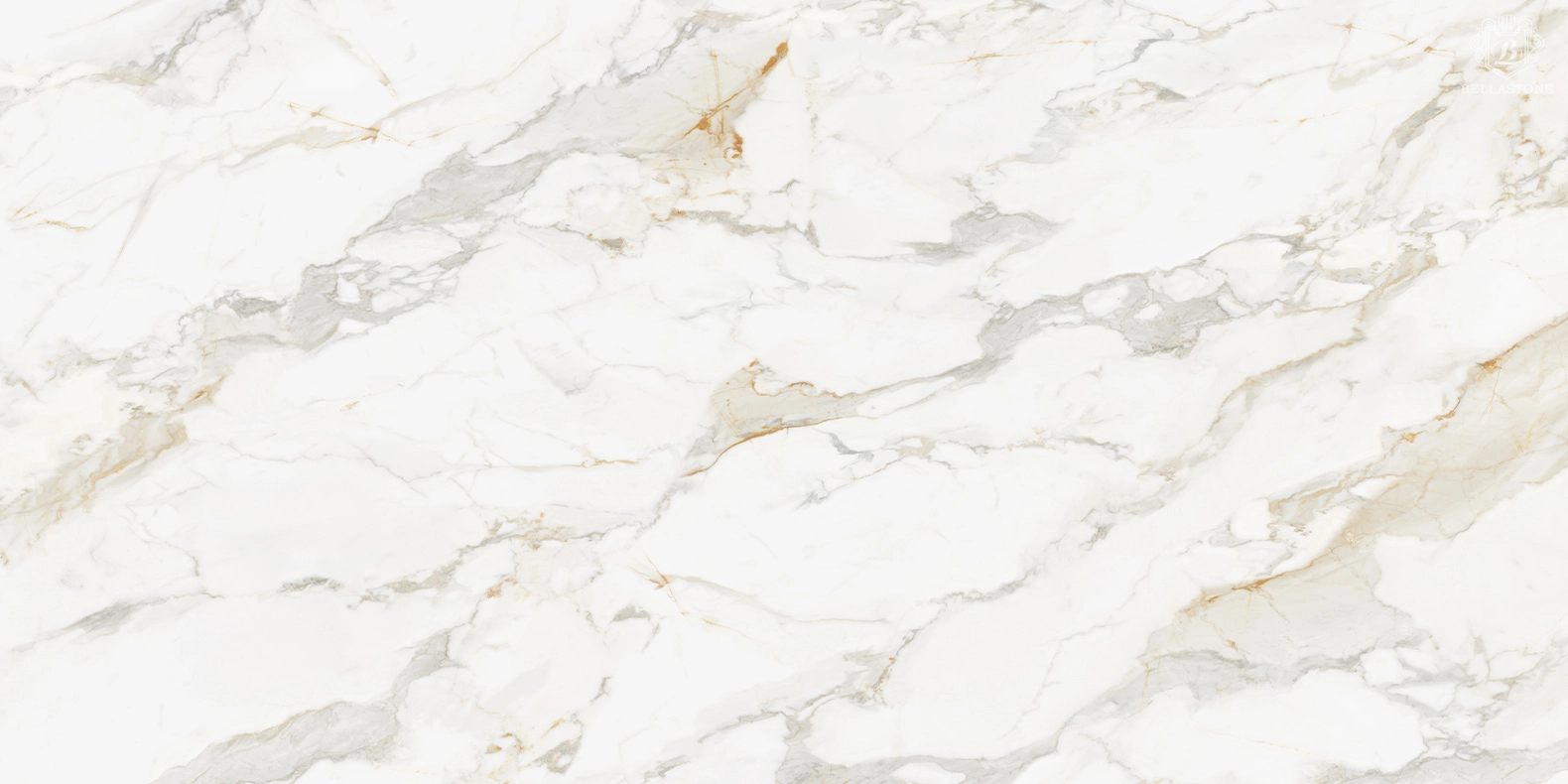
Calacatta quartz countertops are engineered surfaces that emulate the luxurious appearance of natural Calacatta marble. They feature a bright white background adorned with striking veins, available in various colors such as gold, gray, and black. This combination offers the elegance of marble with enhanced durability and low maintenance.
Key Benefits of Calacatta Quartz:
Durability: Non-porous and resistant to stains, scratches, and heat, making it ideal for high-traffic areas like kitchens and bathrooms.
Low Maintenance: Requires no sealing and is easy to clean with mild soap and water.
Consistent Aesthetics: Engineered slabs provide uniform color and veining, ensuring a cohesive design across large surfaces.
Popular Calacatta Quartz Variations:
Calacatta Laza: Features a milky white background with soft brown veining, suitable for both classic and modern environments.
Calacatta Leon Gold: Offers a white background with blends of bold and soft veining, including light and dark taupe with rust vein highlights.
Calacatta Vicenza: Presents subtle gray veins on a white background, ideal for various design styles from traditional to modern.
1. How Do I Choose the Right Calacatta Quartz Slab for My Project?
Selecting the appropriate slab involves considering the following factors:
Design Aesthetics: Match the veining and color of the quartz with your existing décor and desired style.
Slab Size and Layout: Ensure the slab size accommodates your project requirements, minimizing seams for a seamless appearance.
Quality and Warranty: Opt for reputable suppliers who offer quality products with warranties.
2. What Are the Maintenance Requirements for Calacatta Quartz Countertops?
Calacatta quartz countertops are low-maintenance:
Cleaning: Wipe with mild soap and water; avoid harsh chemicals.
Sealing: No sealing is required due to the non-porous nature of quartz.
Heat Resistance: While quartz is heat-resistant, it's advisable to use trivets or hot pads to protect the surface.
3. How Do Calacatta Patterns Influence Resale Appeal?
Calacatta quartz countertops can enhance resale value by adding a luxurious and timeless aesthetic to your home. Their durability and low maintenance are attractive to potential buyers, making the property more appealing. However, the impact on resale value also depends on market trends and buyer preferences.
4. Are There Cost Differences Between Calacatta Quartz and Natural Marble?
Calacatta quartz is generally more cost-effective than natural marble. It offers a similar luxurious appearance without the high maintenance costs associated with marble, such as regular sealing and susceptibility to staining.
5. Can Calacatta Quartz Be Used in Outdoor Spaces?
While quartz is primarily designed for indoor use, some manufacturers offer outdoor-rated quartz slabs. It's essential to verify the product specifications to ensure suitability for outdoor applications.
6. How Do Calacatta Quartz Countertops Compare to Other Quartz Options?
Calacatta quartz stands out due to its distinctive veining and luxurious appearance, closely mimicking natural marble. Other quartz options may offer different patterns and colors but might not replicate the marble look as closely.
7. What Are the Environmental Considerations When Choosing Calacatta Quartz?
Calacatta quartz is made from natural quartz combined with resins and pigments. Some manufacturers prioritize eco-friendly practices, such as using recycled materials and low-VOC resins. It's advisable to inquire about the environmental impact of the specific product you're considering.
8. How Do I Care for Calacatta Quartz to Maintain Its Appearance?
To preserve the beauty of your Calacatta quartz countertops:
Avoid Harsh Chemicals: Use gentle cleaners to prevent surface damage.
Prevent Scratches: Use cutting boards and avoid dragging heavy objects across the surface.
Protect from Heat: Use trivets or hot pads to shield the surface from direct heat.
Conclusion
Calacatta quartz countertops offer a blend of elegance, durability, and low maintenance, making them a popular choice for homeowners. When selecting a slab, consider design preferences, maintenance requirements, and potential impact on resale value. Brands like BELLASTONE provide high-quality Calacatta quartz options that combine aesthetic appeal with practical benefits.


Care & Maintenace
How do I clean my quartz surface daily?
Simply use a soft cloth or sponge with mild soap and warm water. Avoid abrasive pads or harsh chemicals to maintain surface shine.
How do I remove stubborn stains or dried spills?
Use a non-abrasive household cleaner or a mixture of vinegar and water. For dried spills, gently scrape with a plastic putty knife.
Printed Artificial Quartz Stone
Is printed quartz durable enough for countertops?
Yes. Printed quartz slabs maintain the same core strength as standard engineered quartz and are suitable for kitchen and bathroom countertops.
FAQ
Which is more expensive, artificial quartz stone or natural stone?
If we only consider the purchase price per square meter, artificial quartz stone is usually more expensive than ordinary granite but cheaper than top-grade marble. However, considering the total cost over the long term, the cost-effectiveness of durable artificial quartz stone that requires no maintenance may be higher; whereas marble, which requires regular professional maintenance, may be more expensive in terms of long-term total expenditure.
Is quartz countertop durable?
Excellent physical properties, sturdy and wear-resistant
Key advantages in daily use: scratch resistance, stain resistance, and high temperature resistance
It stands out more in terms of durability compared to common countertop materials such as natural marble and granite
No special maintenance is required, and it is easy to clean. With normal use and maintenance, its aesthetics and functionality can be maintained for decades.


Whether you're exploring design trends or planning your next build, our team is here to support with product advice, pricing, and tailored solutions.
Rest assured that your privacy is important to us, and all information provided will be handled with the utmost confidentiality.
By clicking "Send Inquiry Now", I agree to your processing my personal data.
To see how to withdraw your consent, how to control your personal data, and how we process it, please see our Privacy Policy and Terms of Use.
Bellastone, Premium Quartz Manufacturer & Exporter
© 2026 BELLASTONE. All Rights Reserved. | Privacy Policy | Terms and Conditions | Sitemap
Facebook
Linkedin
YouTube