



How Slabs of Quartz Stone Are Manufactured and Engineered
- From Raw Materials to Finished Surfaces
- Overview: What is a slab of quartz stone and why it matters
- Manufacturing steps for a slab of quartz stone
- 1. Raw material selection and preparation (: slab of quartz stone purchases)
- 2. Batching and blending: consistency is engineered
- 3. Vibrating and compacting into molds: the heart of slab formation
- 4. Curing and demolding: chemical and thermal control
- 5. Surface finishing: calibrating thickness and texture
- 6. Quality control and testing (embed : slab of quartz stone quality)
- Engineering properties that make a slab of quartz stone perform
- Composition and typical material proportions
- Mechanical and surface performance
- Health, safety and environmental aspects during manufacture
- Regulatory and safety references
- Comparing a slab of quartz stone with alternatives (data-driven purchasing)
- Fabrication best practices for installers working with a slab of quartz stone
- Warranty and product documentation (: slab of quartz stone supplier)
- Bellastone: a profile of a professional slab of quartz stone manufacturer and supplier
- Why choose Bellastone (competitive advantages)
- How to specify and buy a slab of quartz stone for your project
- FAQs
- 1. What exactly is a slab of quartz stone made of?
- 2. How does the manufacturing process affect the durability of a slab of quartz stone?
- 3. Is engineered quartz heat resistant?
- 4. Can slabs of quartz stone be repaired if damaged?
- 5. How do I verify quality when buying a slab of quartz stone?
- 6. Are there sustainable or recycled quartz slab options?
- Contact and product inquiry (CTA)
- References
From Raw Materials to Finished Surfaces
Overview: What is a slab of quartz stone and why it matters
A slab of quartz stone refers to an engineered surface panel made primarily from natural quartz aggregates bound with polymer resins and performance additives. Unlike natural quarried stone, engineered quartz slabs are man-made and controlled to achieve consistent color, pattern, and enhanced performance such as improved stain resistance, non-porosity, and mechanical strength. For architects, fabricators, suppliers, and end users, understanding how a slab of quartz stone is manufactured and engineered helps assess quality, durability, cost drivers, and sustainability trade-offs.Once you know how slabs of quartz stone are manufactured and engineered, you can explore the latest quartz slab design trends: colors, patterns and finishes. These design trends will help you select the perfect quartz slab to complement your kitchen’s aesthetic.
Manufacturing steps for a slab of quartz stone
The production of a slab of quartz stone follows several deliberate stages. Each stage impacts final properties such as strength, porosity, and appearance. Below are the core steps with practical details that matter to buyers and specifiers.
1. Raw material selection and preparation (: slab of quartz stone purchases)
Primary inputs are crystalline quartz aggregates, polymer resin (commonly polyester or epoxy-based), pigments, and performance additives (UV stabilizers, catalysts, inhibitors). Typical engineered quartz content ranges from about 85 to 95% natural quartz by weight; resins and additives make up the remainder. High-quality slabs start with well-graded quartz granules and strict contamination control. Impurities, moisture, or inconsistent grain-size distribution can produce defects or weak spots.
2. Batching and blending: consistency is engineered
Batches are weighed precisely using automated feeders: quartz aggregates, pigments, resins, and additives are mixed to a target formula. For production-scale lines, continuous mixing with controlled residence time ensures color uniformity. Manufacturers often maintain master formulations to reproduce colors and engineered properties across production runs.
3. Vibrating and compacting into molds: the heart of slab formation
After blending, the mix is placed into slab molds. Most modern lines use vibro-compression under vacuum to remove entrapped air and achieve high density. Vacuum vibro-compression compresses the mix while vibrating it, producing slabs with low porosity and high flexural strength. Process variables include vacuum level, vibration frequency, and compaction pressure. These parameters are tuned to the specific resin system and quartz grain size.
4. Curing and demolding: chemical and thermal control
Once compacted, slabs are cured to polymerize the resin binder. Curing can be performed at ambient temperatures for long cycles or accelerated in curing ovens. Proper curing is crucial for bonding strength and stability; undercured slabs may delaminate or have poor chemical resistance, while overcuring can cause brittleness. After curing, slabs are demolded and undergo initial inspection.
5. Surface finishing: calibrating thickness and texture
Finished slabs are calibrated to target thicknesses using gang saws or CNC trimming. Surface finishes include polished, honed, leathered, or textured. Polishing removes surface micro-roughness and enhances visual depth; honing yields a matte look. Surface finish selection affects aesthetics and functional properties like slip resistance and cleanability.
6. Quality control and testing (embed : slab of quartz stone quality)
Quality control covers visual inspection, dimensional checks, mechanical testing (flexural strength, modulus), and surface performance tests (stain resistance, scratch resistance). Many manufacturers follow ISO or ASTM guidelines for engineered stone testing. Data sheets should provide values for water absorption, flexural strength, and specific gravity so specifiers can compare products objectively.
Engineering properties that make a slab of quartz stone perform
Understanding engineered properties is essential when specifying quartz for kitchens, bathrooms, or commercial interiors. The engineered nature of quartz slabs enables tailoring of mechanical and aesthetic properties that are difficult to achieve in natural stone.
Composition and typical material proportions
Typical composition by weight for commercial engineered quartz slabs:
| Component | Typical range (%) |
|---|---|
| Crystalline quartz | 85-95 |
| Polymer resin (polyester/epoxy) | 5-10 |
| Pigments, additives, binders | <5 |
Sources: industry publications and engineered stone references; composition varies with brand and product line. Exact formulations are often proprietary but the high quartz content is the defining characteristic.
Mechanical and surface performance
Key engineered properties buyers reference include:
- Flexural strength: engineered slabs typically exhibit higher and more consistent flexural strength than many natural stones due to uniformity and resin binding.
- Water absorption: low water absorption (near zero) makes quartz slabs highly stain-resistant compared with porous natural stones.
- Hardness and scratch resistance: high quartz content provides strong resistance to abrasion; however fine scratches may still occur, depending on resin content and finish.
- Chemical resistance: cured resins determine resistance to household acids, cleaners, and solvents; quality resins and proper curing improve resistance.
Health, safety and environmental aspects during manufacture
Manufacturing a slab of quartz stone raises occupational safety issues, especially respirable crystalline silica exposure during cutting, grinding, and polishing. Regulatory agencies such as OSHA and health authorities provide exposure limits and control recommendations. Best practices include wet cutting, local exhaust ventilation, and respiratory protection for workers. Waste management, resin VOC controls, and energy use are environmental considerations; some manufacturers pursue recycled content and energy-optimized curing to reduce footprint.
Regulatory and safety references
Follow applicable silica exposure rules and documentation for fabrication shops. Fabricators should consult and comply with local OSHA or equivalent regulations, and implement engineering controls and training.
Comparing a slab of quartz stone with alternatives (data-driven purchasing)
When choosing surfaces, comparing engineered quartz to granite and marble helps clarify tradeoffs. The table below summarizes typical characteristics relevant to specifiers and purchasers.
| Property | Engineered quartz (slab of quartz stone) | Granite | Marble |
|---|---|---|---|
| Porosity | Very low (non-porous) | Variable, often higher | High |
| Stain resistance | High | Moderate (requires sealing) | Low (acid susceptible) |
| Color consistency | Very consistent (engineered) | Natural variation | Natural variation |
| Heat resistance | Good, but sensitive to thermal shock | Excellent | Good |
| Maintenance | Low | Medium (sealing) | High |
| Typical use | Kitchens, bathrooms, commercial counters | Kitchens, exteriors, monuments | Bathrooms, decorative surfaces |
Data sources summarized in References. Choosing the right material depends on project priorities such as appearance, maintenance, and budget.
Fabrication best practices for installers working with a slab of quartz stone
Good fabrication practices reduce waste, ensure fit, and preserve warranty coverage. Key recommendations:
- Plan templates digitally to minimize seams and optimize yield.
- Use diamond tooling and proper feed rates to reduce chipping.
- Employ wet cutting or effective dust collection to control silica dust.
- Follow manufacturer guidance for seam adhesives, backing supports, and allowable overhangs.
Warranty and product documentation (: slab of quartz stone supplier)
Reputable manufacturers supply technical datasheets and warranty terms that define permitted fabrication methods, maintenance requirements, and limitations (e.g., heat exposure). Always request and retain manufacturer technical documents and installation guides to ensure compliance and preserve warranty coverage.
Bellastone: a profile of a professional slab of quartz stone manufacturer and supplier
Guangdong Bellastone Green Building Material Co., Ltd. is a professional quartz slab manufacturer and supplier, specializing in the research & development, production, processing, and marketing of High Quality quartz surfaces for 10 years. Strategically located in the First Area of Enping Zone, Jiangmen Transfer Industrial Park, Jiangmen, Guangdong Province, our company spans approximately 30,000 square meters and is equipped with three internationally advanced quartz production lines.
Our products feature innovative and unique designs, combining aesthetic appeal with uncompromising quality. As a result, Bellastone quartz surfaces are widely favored by both domestic and international customers. We also maintain a showroom in CCIH, Foshan, Guangdong, to showcase our latest collections and facilitate customer engagement.
Bellastone offers a diverse range of high-quality quartz surfaces tailored to meet a variety of aesthetic and functional requirements. From bold contemporary styles to timeless classics, our product lines include: Carrara-inspired marble looks, industrial concrete textures, vibrant printed designs, subtle and sophisticated tones.
Each slab is engineered for durability, stain resistance, and long-term performance, making our quartz ideal for use in kitchens, bathrooms, commercial spaces, and more.
Why choose Bellastone (competitive advantages)
Bellastone combines manufacturing scale, process control, and design innovation. Key differentiators:
- Production capability: three advanced production lines enabling consistent quality and timely lead times.
- Design and R&D: in-house design development that produces market-relevant visuals from Carrara-style veining to bold contemporary patterns.
- Quality control: standardized testing and finish calibration to meet international expectations for engineered stone.
- Showroom and customer engagement: accessible Foshan showroom for product review and specification support.
Main product categories: artificial quartz stone, engineered stone, and quartz stone slabs. Advantages include low porosity, high durability, consistent color, and a wide palette of available designs suited for residential and commercial projects.
How to specify and buy a slab of quartz stone for your project
Steps to ensure you obtain the right slab for performance and aesthetics:
- Define project priorities: appearance, maintenance, budget, heat exposure, and expected traffic.
- Request technical datasheets: water absorption, flexural strength, surface hardness, warranty terms.
- Ask for full slabs or digital color profiles: inspect actual slabs when possible; photos can be misleading for veined designs.
- Confirm fabrication support: compatible adhesives, recommended tooling, and allowable overhangs.
- Check lead times and logistics: slab dimensions, shipping constraints, and safe handling requirements.
FAQs
1. What exactly is a slab of quartz stone made of?
Most slabs are about 85-95% natural crystalline quartz combined with 5-15% polymer resins and small amounts of pigments and additives. Exact formulations vary by manufacturer and product line.
2. How does the manufacturing process affect the durability of a slab of quartz stone?
Key process steps—grain selection, vacuum vibration compaction, and proper curing—directly determine density, porosity, and bonding quality. Precise process control yields more durable, less porous slabs with consistent mechanical properties.
3. Is engineered quartz heat resistant?
Quartz slabs resist everyday heat but are not immune to thermal shock from very hot pots placed directly on the surface. Use trivets or hot pads to prevent thermal damage and possible resin discoloration or cracking.
4. Can slabs of quartz stone be repaired if damaged?
Minor chips and scratches can often be repaired by trained fabricators using color-matched resins and polishing. Deep cracks or extensive damage may require slab replacement.
5. How do I verify quality when buying a slab of quartz stone?
Ask for datasheets, test reports (water absorption, flexural strength), and warranty terms. Inspect full-size slabs where possible and verify that the supplier complies with health and safety practices during fabrication.
6. Are there sustainable or recycled quartz slab options?
Some manufacturers incorporate recycled content (glass or reclaimed quartz) and pursue energy-efficient production. Sustainability varies by brand, so request environmental product declarations if sustainability is a priority.
Contact and product inquiry (CTA)
For project quotes, technical datasheets, or to view Bellastone collections in our Foshan showroom, contact Bellastone sales and technical team. Visit our showroom at CCIH, Foshan, or request product samples and fabrication guidance for your next project. Email or phone details are available from our corporate contact page.
References
- Caesarstone, How It's Made: overview of engineered quartz production processes. Accessed 2025-11-24. https://www.caesarstone.com/about/how-its-made/
- Engineered stone, Wikipedia: composition and industry overview. Accessed 2025-11-24. https://en.wikipedia.org/wiki/Engineered_stone
- Occupational Safety and Health Administration (OSHA), Crystalline Silica Standard and guidance. Accessed 2025-11-24. https://www.osha.gov/silica-crystalline
- Grand View Research, Quartz Surfaces Market Analysis: market trends and outlook. Accessed 2025-11-24. https://www.grandviewresearch.com/industry-analysis/quartz-surfaces-market
- Industry technical notes and fabrication best practices from leading engineered stone manufacturers, various product technical datasheets. Accessed 2025-11-24.
Top 10 quartz slab countertops Manufacturers and Supplier Brands
Calacatta Quartz Slab Thickness and Edge Profiles 2026
How to Choose Calacatta Quartz Slabs for Kitchens 2026

Best uses for Bellastone Artificial Quartz BL9423
FAQ
How to clean and maintain quartz stone?
Routine maintenance is quite straightforward:
Regular cleaning: Wipe with a soft cloth and neutral detergent, no special maintenance agent required
Stubborn stains: Use special cleaning paste for stone materials, avoid using strong acid or alkali products
Repair suggestion: If superficial scratches are accidentally caused, contact a professional for surface polishing repair
Precautions: Avoid leaving high-temperature cookware on the stove for extended periods (it is recommended to use a trivet). Do not
What scenarios is it applicable to?
Kitchen countertops and island tops, bathroom vanity tops, wall decorations and feature walls, commercial interior design, restaurants and public buildings, residential renovation projects.
Printed Artificial Quartz Stone
Is it suitable for commercial projects?
Absolutely. Its uniform appearance, durability, and scalability make it ideal for hotels, offices, retail, and large construction projects.
Care & Maintenace
Do I need to seal Bellastone quartz?
No sealing is required. Quartz surfaces are non-porous, making them resistant to stains, moisture, and bacteria by design.
How do I clean my quartz surface daily?
Simply use a soft cloth or sponge with mild soap and warm water. Avoid abrasive pads or harsh chemicals to maintain surface shine.
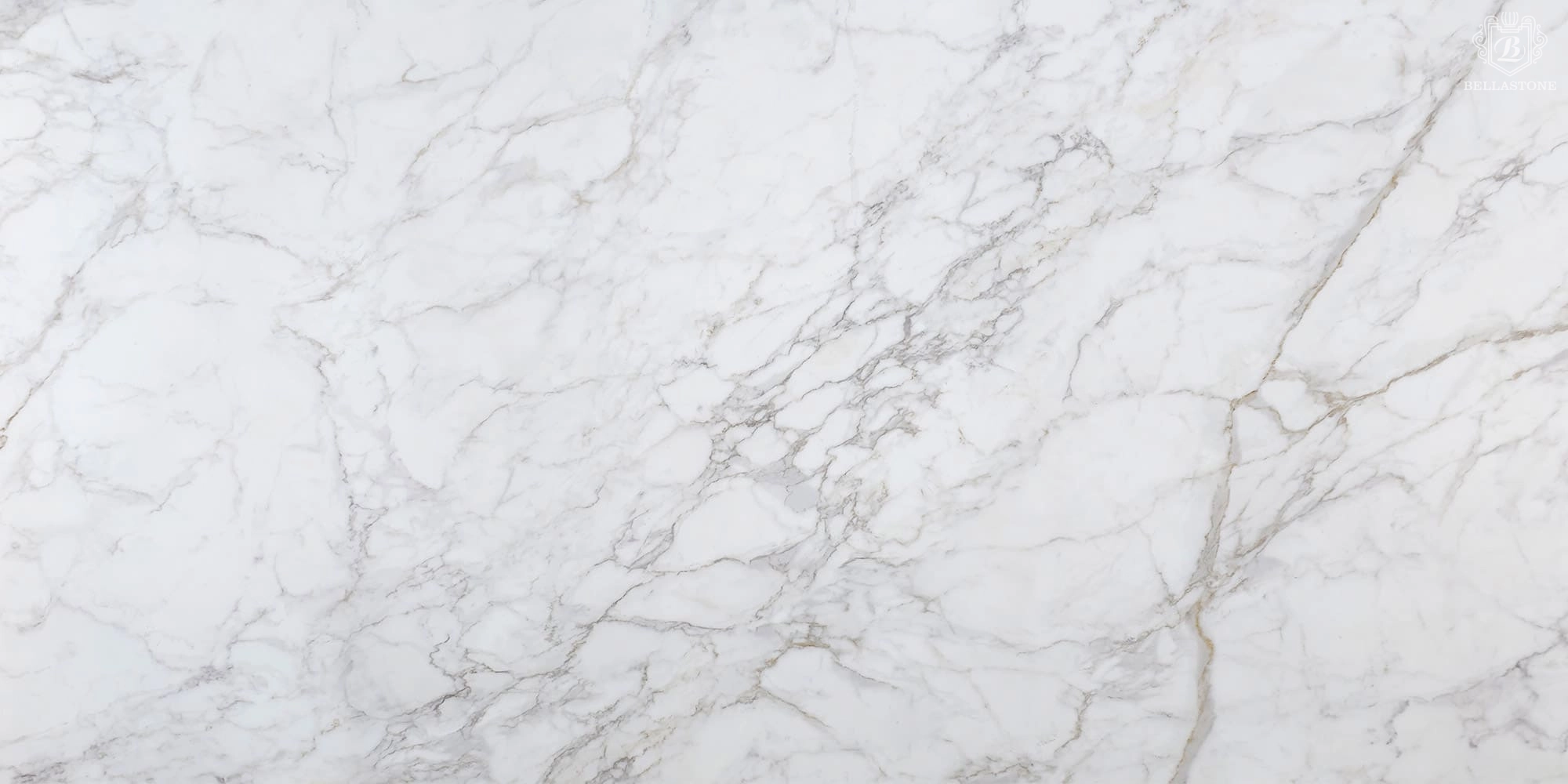
BELLASTONE Artificial Quartz Stone Printed Quartz Collection
Taking inspiration from the wave marks of snow-capped mountains, the white base is embellished with natural gray patterns, resembling the freehand layering of wind-eroded ice rocks.
The soft light texture replicates the texture of the original stone, with undulating textures resembling an eternal dialogue between ridges and waves. The high hardness and anti-pollution structure are suitable for kitchen and bathroom countertops and background walls, capturing the flowing poetry of natural power in minimalism.

Bellastone Artificial Quartz Stone New Collection - BL9902 Alpine Gold
Exquisite texture replicated natural stone veins, with a soft and luxurious texture blended on the surface. The anti pollution and wear-resistant structure is suitable for high-end countertops and background walls, injecting eternal and sacred Eastern poetry into the space.

Bellastone Artificial Quartz Stone New Collection - BL9901-1 Wheat Waves
Exquisite texture replicated natural stone veins, with a soft and luxurious texture blended on the surface. The anti pollution and wear-resistant structure is suitable for high-end countertops and background walls, injecting eternal and sacred Eastern poetry into the space.

Bellastone Artificial Quartz Stone New Collection - BL8815 Cream Wave
Exquisite texture replicated natural stone veins, with a soft and luxurious texture blended on the surface. The anti pollution and wear-resistant structure is suitable for high-end countertops and background walls, injecting eternal and sacred Eastern poetry into the space.

Bellastone Artificial Quartz Stone New Collection - BL8813 Lumina Gold
Exquisite texture replicated natural stone veins, with a soft and luxurious texture blended on the surface. The anti pollution and wear-resistant structure is suitable for high-end countertops and background walls, injecting eternal and sacred Eastern poetry into the space.

Bellastone Artificial Quartz Stone New Collection - BL9809 Bulgari Gray
Exquisite texture replicated natural stone veins, with a soft and luxurious texture blended on the surface. The anti pollution and wear-resistant structure is suitable for high-end countertops and background walls, injecting eternal and sacred Eastern poetry into the space.

Bellastone Artificial Quartz Stone New Collection - BL9808 Bulgari Purple
Exquisite texture replicated natural stone veins, with a soft and luxurious texture blended on the surface. The anti pollution and wear-resistant structure is suitable for high-end countertops and background walls, injecting eternal and sacred Eastern poetry into the space.
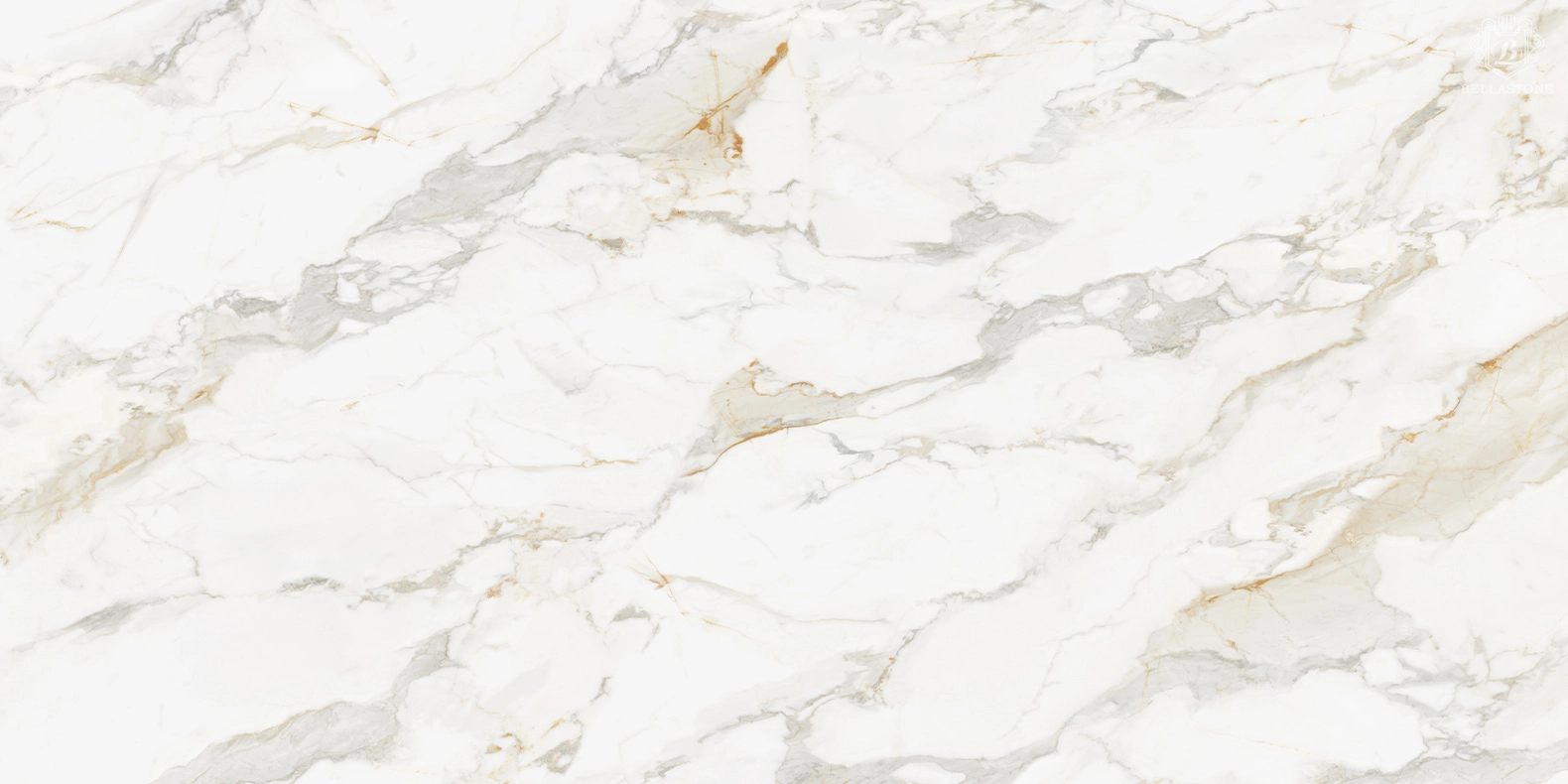
BELLASTONE Artificial Quartz Stone Printed Quartz Collection - BL5823 Aureo Bianco
The soft light texture replicates the texture of the original stone, with undulating textures resembling an eternal dialogue between ridges and waves. The high hardness and anti-pollution structure are suitable for kitchen and bathroom countertops and background walls, capturing the flowing poetry of natural power in minimalism.
Whether you're exploring design trends or planning your next build, our team is here to support with product advice, pricing, and tailored solutions.
Rest assured that your privacy is important to us, and all information provided will be handled with the utmost confidentiality.
By clicking "Send Inquiry Now", I agree to your processing my personal data.
To see how to withdraw your consent, how to control your personal data, and how we process it, please see our Privacy Policy and Terms of Use.
Bellastone, Premium Quartz Manufacturer & Exporter
© 2026 BELLASTONE. All Rights Reserved. | Privacy Policy | Terms and Conditions | Sitemap
Facebook
Linkedin
YouTube