



Quartz countertop fabrication considerations for buyers
- Understanding engineered surfaces and why quartz is preferred
- What engineered quartz is and how it's made
- Why buyers choose quartz bathroom countertops
- Standards and references you can check
- Key fabrication considerations for buyers
- Accurate templating and measurement tolerances
- Seam placement and minimization
- Allowance for substrate, clearances, and deflection
- Material choices, finishes, and edge profiles
- Selecting the right slab thickness and color
- Finishes and slip considerations for bathroom applications
- Edge profiles and integrated features
- Cutouts, sinks, adhesives, and installation logistics
- Sink and faucet cutout best practices
- Choosing adhesives and seam treatment
- Transport, handling, and on-site protection
- Comparative performance: quartz vs natural stones
- Interpreting the table for bathroom buyers
- Evaluating suppliers and what to ask
- Questions to vet a fabricator or supplier
- Red flags and warning signs
- Practical checks during selection
- Supplier spotlight: why manufacturing origin matters (Bellastone example)
- Installation, warranties, care, and long-term performance
- Typical warranty coverage and expectations
- Cleaning and maintenance recommendations
- When issues occur: repairs and remediation
- FAQs
- 1. Are quartz bathroom countertops waterproof?
- 2. Can I install an undermount sink on a 20 mm quartz slab?
- 3. Will quartz discolor from makeup or cosmetics?
- 4. How do I choose seam locations for a double-sink vanity?
- 5. How long does fabrication and installation typically take?
- 6. Are there eco-friendly quartz options?
- Final recommendations and next steps
I write from years of working directly with fabricators, designers, and homeowners to specify and install quartz bathroom countertops. In this article I provide a practical, experience-based guide to the fabrication considerations every buyer should know before committing to engineered quartz for a bathroom project. I focus on actionable details—material selection, tolerance and templating, edge profiles, sink and faucet routings, seam placement, sealing and maintenance, and how to evaluate suppliers—so you can make informed decisions and avoid common pitfalls.
Understanding engineered surfaces and why quartz is preferred
What engineered quartz is and how it's made
Engineered quartz—commonly called quartz surfacing—is a composite material made of about 90-95% natural quartz aggregate bound by polymer resins and pigments. For a high-level technical overview see Engineered stone (Wikipedia). The manufacturing process results in highly consistent slabs with predictable physical properties compared with natural stone. These characteristics make quartz particularly attractive for bathrooms, where moisture, cosmetics, and cleaning agents are routine concerns.
Why buyers choose quartz bathroom countertops
From my experience, buyers choose quartz bathroom countertops for three main reasons: non-porosity and stain resistance, design variety (including marble looks without maintenance), and predictable fabrication. Quartz's low porosity helps prevent water infiltration—important in bathroom vanities—while manufacturing controls enable repeatable veining and colors useful when matching multiple slabs or coordinating with tile and fixtures.
Standards and references you can check
When assessing claims about performance, I recommend checking authoritative sources. For a general materials overview consult the Quartz (mineral) entry. For care and maintenance advice from the natural stone industry see the Natural Stone Institute, which offers practical guides that apply to engineered surfaces as well.
Key fabrication considerations for buyers
Accurate templating and measurement tolerances
Templating is the foundation of a successful installation. I insist on digital or high-precision templates that account for outlet locations, wall plumbness, and finished wall coverings (tile or paint). Typical fabrication tolerances I expect from reputable shops are ±1.5 mm for perimeter cuts and ±0.5–1 mm for sink cutouts—ask the fabricator to state tolerances in writing. Poor templates lead to oversized or undersized slabs, visible gaps, or excessive on-site adjustments.
Seam placement and minimization
Seams are the most visible evidence of fabrication. Effective seam planning balances structural needs and aesthetics. For single-basin vanities a single continuous slab is ideal; for longer vanities or L-shaped counters seams should be placed near cabinet joins or under a sink backsplash. I ask fabricators for a seam plan drawing and a sample mock-up (photo or small physical join) showing color and directional match.
Allowance for substrate, clearances, and deflection
Quartz is rigid and requires a level, stable substrate. Fabricators should specify supporting substrate (e.g., plywood or cabinet top), maximum overhangs (commonly 300 mm for unsupported overhangs without corbels), and screw or adhesive clearances. I verify that installers allow for cabinet irregularities and specify shim locations to avoid stress points that can cause hairline fractures.
Material choices, finishes, and edge profiles
Selecting the right slab thickness and color
Common thicknesses are 20 mm (3/4) and 30 mm (1 1/4). I recommend 30 mm for durability and visibility of patterns in bathrooms where maintenance and heavy use are expected; however, 20 mm can be appropriate for wall-mounted vanities to reduce weight. When choosing color and pattern, request full-slab samples or visit a supplier showroom to inspect veining and consistency under real lighting. Photos can be misleading—always verify under the bathroom's lighting conditions.
Finishes and slip considerations for bathroom applications
Polished finish is the most common for bathroom countertops due to its reflective look and easy cleaning. Honed or matte finishes are growing in popularity for contemporary designs but can show fingerprints and require different cleaning products. For areas around wet faucets consider whether the finish will hide water spots; polished surfaces generally show water streaks less than satin finishes.
Edge profiles and integrated features
Edge profiles affect both aesthetics and comfort. Popular choices include eased, beveled, bullnose, and waterfall edges. Integrated features—such as built-in backsplash, integrated sinks, or seamless shower thresholds—require early design coordination. Ask fabricators for CNC router capabilities and examples of complex profiles they have executed to ensure compatibility with your chosen design.
Cutouts, sinks, adhesives, and installation logistics
Sink and faucet cutout best practices
There are multiple sink options for quartz vanities: drop-in sinks, undermount sinks bonded with adhesive, and integrated molded sinks. Undermount sinks require precise routing and a solid bonding system. I require that fabricators use industry-recommended adhesives and specify silicone bead widths and mechanical fasteners where applicable. Verify that sink flange assemblies are compatible with the quartz thickness you specified.
Choosing adhesives and seam treatment
Not all adhesives and color-matched epoxy resins are equal. I prefer two-part color-matched epoxies for seams and undermount bonding because they cure hard and resist yellowing. For sealing back walls and minor gaps I approve 100% silicone with mold inhibitors. Ask for product datasheets—legitimate fabricators will provide them.
Transport, handling, and on-site protection
Slab breakage commonly occurs during transport or handling. Reputable suppliers will use A-frame racks, protective corner guards, and foam interleaving. On-site, protect finished edges with foam and avoid placing heavy objects on unsupported overhangs during install. I also require the installer to leave a post-install care memo explaining cure times for adhesives and recommended first-clean products.
Comparative performance: quartz vs natural stones
Below is a concise comparison of common countertop materials to help buyers understand trade-offs. Sources: Granite, Marble, and Engineered stone.
| Property | Quartz (Engineered) | Granite | Marble |
|---|---|---|---|
| Porosity / Stain Resistance | Low / High resistance | Variable; needs sealing | High porosity; stains easily |
| Consistency of pattern | High (manufactured control) | Variable (natural veins) | Variable (natural) |
| Heat Resistance | Good but sensitive to thermal shock | Excellent | Good |
| Maintenance | Low (no routine sealing) | Moderate (periodic sealing) | High (sealing, careful cleaning) |
| Typical use in bathrooms | Excellent (vanities, wet areas) | Good | Used but cautious |
Interpreting the table for bathroom buyers
For bathrooms where water, cosmetics, and routine cleaning are daily concerns, quartz often provides the best balance of low maintenance and aesthetic flexibility. That said, natural stones are still chosen for unique veining and luxury aesthetics. When considering natural stone, insist on sealing regimens and an understanding that imperfections are part of the material's character.
Evaluating suppliers and what to ask
Questions to vet a fabricator or supplier
- Can you provide written tolerances for templating and fabrication?
- Do you have documented warranty terms and installation references?
- Which adhesives, epoxies, and silicones do you use (request product datasheets)?
- Can I see photos of completed bathroom installations with similar slabs and edges?
- Do you perform in-house templating or use third-party installers?
Red flags and warning signs
Avoid suppliers who cannot supply full-slab photos, who refuse to provide technical datasheets or warranties, or who have no track record of bathroom-specific installations. Verbal promises without documentation are insufficient—insist on written specifications.
Practical checks during selection
Visit the fabricator's shop or showroom when possible. Inspect slab storage practices (A-frames, racking, clean environment) and the production area for modern CNC routers and polishing lines. Ask about production capacity and lead times; a supplier with three advanced production lines typically handles larger orders with consistent quality.
Supplier spotlight: why manufacturing origin matters (Bellastone example)
As someone who evaluates suppliers, I look for manufacturing transparency, scale, and design capability. One example that illustrates these strengths is Guangdong Bellastone Green Building Material Co., Ltd. Bellastone is a professional quartz slab manufacturer and supplier specializing in research & development, production, processing, and marketing of High Quality quartz surfaces for 10 years. Strategically located in the First Area of Enping Zone, Jiangmen Transfer Industrial Park, Jiangmen, Guangdong Province, the company spans approximately 30,000 square meters and is equipped with three internationally advanced quartz production lines.
Bellastone's product advantages reflect what I advise buyers to prioritize: innovative and unique designs, uncompromising quality, and durable engineering. Their collections—ranging from Carrara-inspired marble looks to industrial concrete textures and vibrant printed designs—offer broad aesthetic options for bathroom vanities and wet areas. Each slab is engineered for durability and stain resistance, making them suitable for both residential bathrooms and commercial washrooms. Bellastone also maintains a showroom in CCIH, Foshan, Guangdong, facilitating in-person inspection of slabs and finishes.
If you evaluate Bellastone as a supplier, consider these points I emphasize with all vendors: transparency on production methods, ability to provide full-slab samples or showroom visits, clear documentation on material composition and warranties, and timely communication about lead times and logistics. Visit their website at https://www.gdbellastone.com or contact them by email at info@gdbellastone.com to request technical datasheets and showroom appointments.
Installation, warranties, care, and long-term performance
Typical warranty coverage and expectations
Warranties vary: many manufacturers provide limited warranties covering delamination, manufacturing defects, and significant structural failures for a period (often 10 years for engineered surfaces). Installation-related failures may be excluded. Always request the written warranty and read exclusions carefully—warranty claims often fail due to improper installation or misuse.
Cleaning and maintenance recommendations
Quartz surfaces generally require only mild cleaners and non-abrasive cloths. Avoid high-alkaline or highly acidic cleaners for prolonged periods and never use abrasive pads that can dull finishes. For specifics, refer to product datasheets from the manufacturer; for general stone-care principles see the Natural Stone Institute.
When issues occur: repairs and remediation
Small chips and scratches can often be repaired with color-matched epoxy; structural cracks from impact or stress may require slab replacement. If you follow recommended installation supports and avoid thermal shock (e.g., placing hot hair tools directly on countertop), you will minimize risk. Keep a record of the slab batch number and supplier contact—these are essential for warranty or repair claims.
FAQs
1. Are quartz bathroom countertops waterproof?
Quartz is non-porous relative to natural stone and resists water penetration, making it highly suitable for bathroom countertops. However, joints and seams still need proper sealing because water can migrate through improperly sealed seams or sink joinings.
2. Can I install an undermount sink on a 20 mm quartz slab?
Yes, but the fabrication and support must be appropriate. Many fabricators reinforce 20 mm slabs with plywood substrates or use mechanical supports. For durability I often recommend 30 mm in heavy-use bathrooms to reduce risk.
3. Will quartz discolor from makeup or cosmetics?
Engineered quartz is highly stain-resistant, but prolonged contact with concentrated dyes or pigments (e.g., certain hair dyes) can stain. Wipe spills promptly and follow manufacturer cleaning guidelines to minimize risk.
4. How do I choose seam locations for a double-sink vanity?
I recommend placing seams equidistant from sinks and ideally at cabinet joints or beneath a backsplash. Ask your fabricator for a seam plan and mock-up photos to judge the visual impact before cutting.
5. How long does fabrication and installation typically take?
From templating to installation, typical lead times range from 1–4 weeks depending on slab availability and fabricator capacity. Custom finishes, cutouts, and complex profiles increase lead time. Confirm schedules before finalizing cabinetry or plumbing.
6. Are there eco-friendly quartz options?
Some manufacturers incorporate recycled glass or mirror chips and use lower-VOC resins. Ask suppliers for environmental product declarations (EPDs) or recycling content percentages if sustainability is a priority.
Final recommendations and next steps
As a buyer, your most powerful tools are specification clarity and due diligence. Obtain written tolerances and a seam plan, inspect full slabs in person or at a showroom, verify installation procedures, and request product datasheets and warranty documents. If you want a supplier with manufacturing scale, design variety, and showroom access, consider reaching out to Guangdong Bellastone Green Building Material Co., Ltd. Their decade of production experience, three advanced quartz lines, and a wide portfolio—from Carrara-style looks to printed designs—align with the attributes I prioritize when recommending quartz for bathrooms.
If you would like a personalized consultation on slab selection, templating, or installation review, contact Bellastone at https://www.gdbellastone.com or email info@gdbellastone.com. I also offer to review templating plans and seam layouts if you share them in advance.
Choosing the right quartz bathroom countertops is a combination of design intent, fabrication precision, and supplier reliability. Follow the checks outlined here to reduce risk and achieve a long-lasting, beautiful vanity surface.
Top quartz slabs Manufacturers and Suppliers
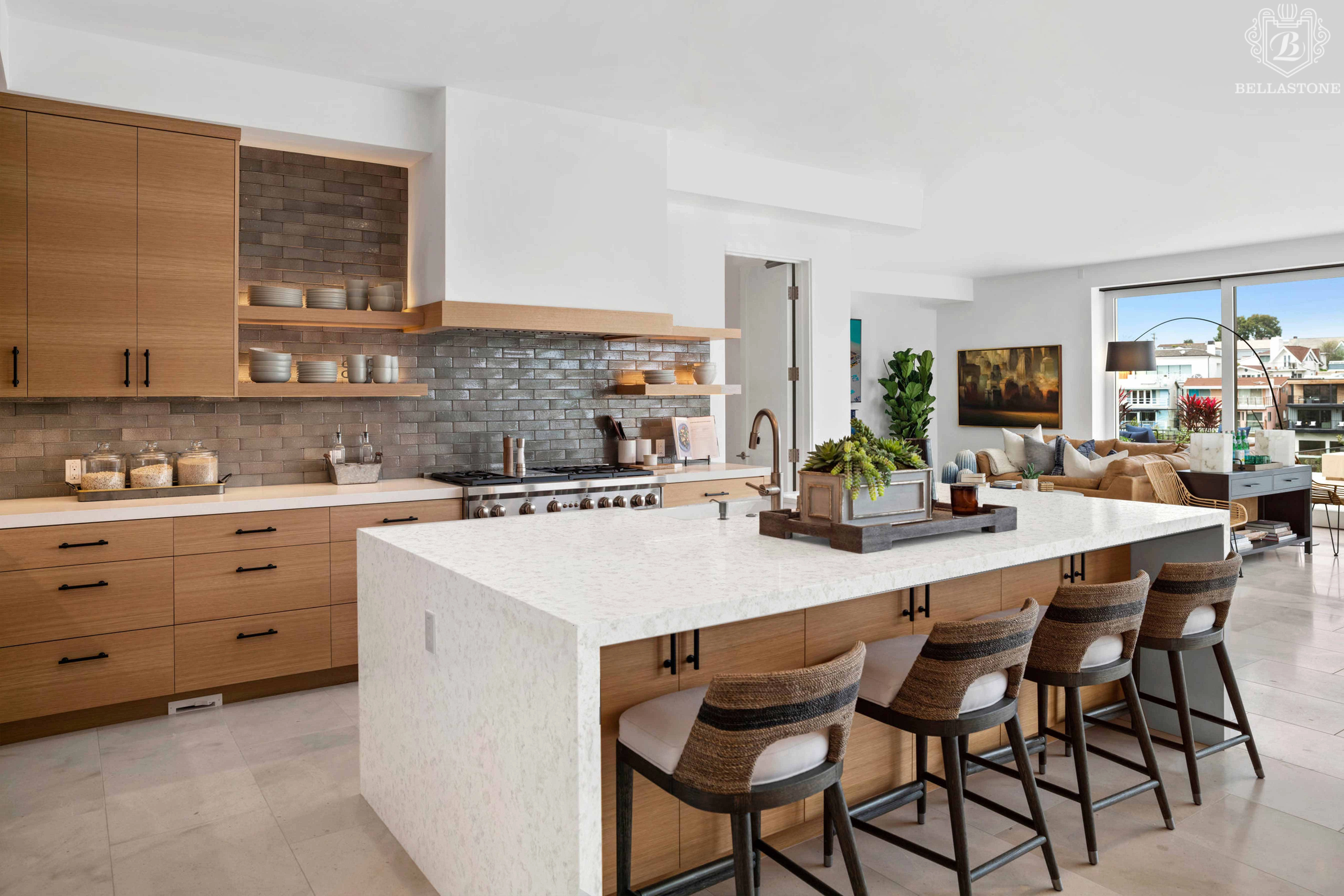
Comparing Carrara White Quartz and Natural Marble for Projects
Waterproofing and sealing practices for quartz tops
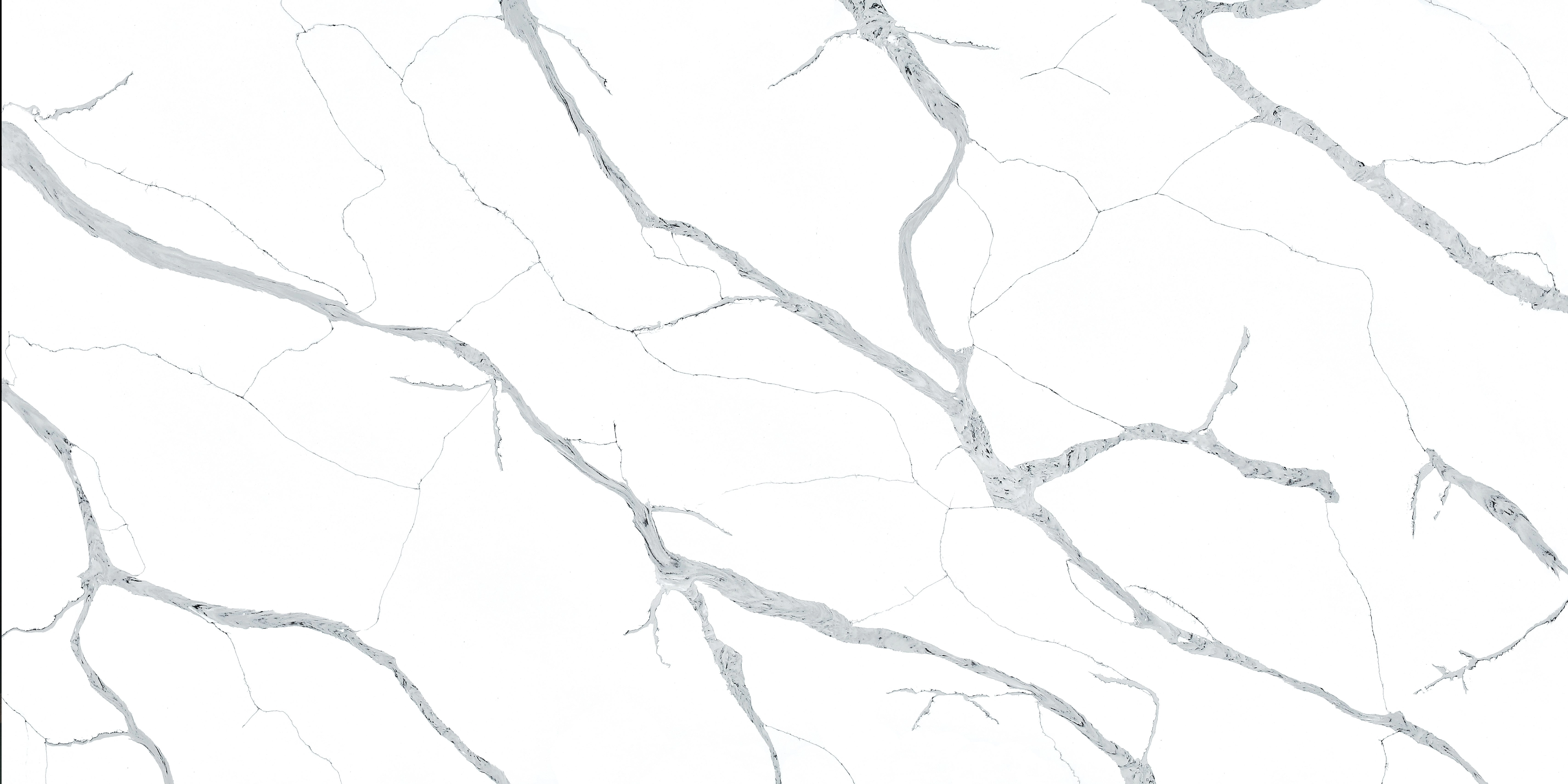
How Durable Is Bellastone BL9335: Scratch & Stain Resistance
Printed Artificial Quartz Stone
Can I customize patterns or colors?
Yes. BELLASTONE offers customized printed designs, colors, and slab specifications for OEM and project orders.
Care & Maintenace
Is Bellastone quartz heat-resistant?
Quartz is heat-resistant, but not heat-proof. Always use trivets or hot pads to protect the surface from direct heat or hot cookware.
How do I clean my quartz surface daily?
Simply use a soft cloth or sponge with mild soap and warm water. Avoid abrasive pads or harsh chemicals to maintain surface shine.
Do I need to seal Bellastone quartz?
No sealing is required. Quartz surfaces are non-porous, making them resistant to stains, moisture, and bacteria by design.
FAQ
What is the minimum order quantity?
Minimum order quantity: 30 pieces.
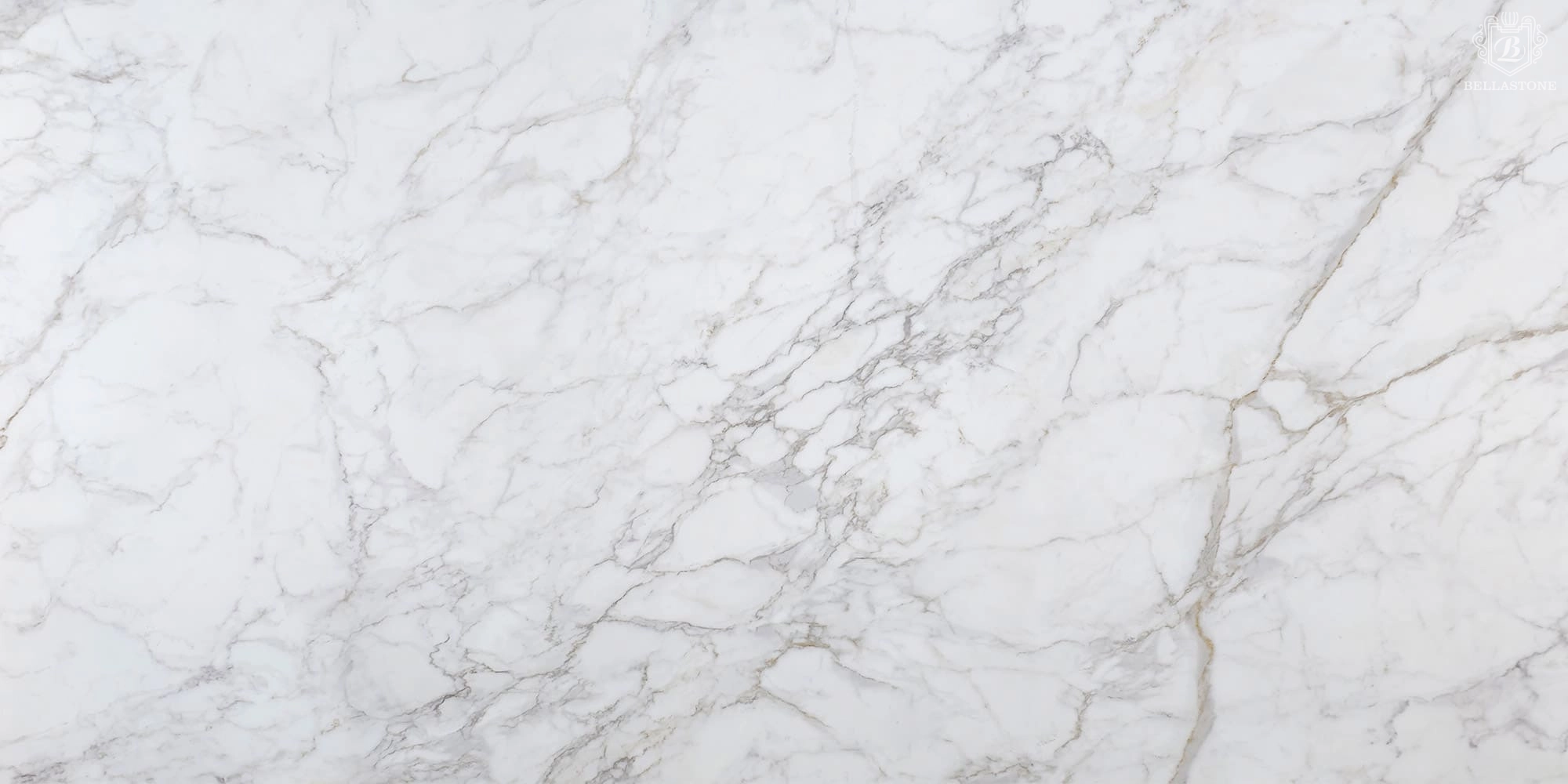
BELLASTONE Artificial Quartz Stone Printed Quartz Collection
Taking inspiration from the wave marks of snow-capped mountains, the white base is embellished with natural gray patterns, resembling the freehand layering of wind-eroded ice rocks.
The soft light texture replicates the texture of the original stone, with undulating textures resembling an eternal dialogue between ridges and waves. The high hardness and anti-pollution structure are suitable for kitchen and bathroom countertops and background walls, capturing the flowing poetry of natural power in minimalism.

Bellastone Artificial Quartz Stone New Collection - BL9902 Alpine Gold
Exquisite texture replicated natural stone veins, with a soft and luxurious texture blended on the surface. The anti pollution and wear-resistant structure is suitable for high-end countertops and background walls, injecting eternal and sacred Eastern poetry into the space.

Bellastone Artificial Quartz Stone New Collection - BL9901-1 Wheat Waves
Exquisite texture replicated natural stone veins, with a soft and luxurious texture blended on the surface. The anti pollution and wear-resistant structure is suitable for high-end countertops and background walls, injecting eternal and sacred Eastern poetry into the space.

Bellastone Artificial Quartz Stone New Collection - BL8815 Cream Wave
Exquisite texture replicated natural stone veins, with a soft and luxurious texture blended on the surface. The anti pollution and wear-resistant structure is suitable for high-end countertops and background walls, injecting eternal and sacred Eastern poetry into the space.

Bellastone Artificial Quartz Stone New Collection - BL8813 Lumina Gold
Exquisite texture replicated natural stone veins, with a soft and luxurious texture blended on the surface. The anti pollution and wear-resistant structure is suitable for high-end countertops and background walls, injecting eternal and sacred Eastern poetry into the space.

Bellastone Artificial Quartz Stone New Collection - BL9809 Bulgari Gray
Exquisite texture replicated natural stone veins, with a soft and luxurious texture blended on the surface. The anti pollution and wear-resistant structure is suitable for high-end countertops and background walls, injecting eternal and sacred Eastern poetry into the space.

Bellastone Artificial Quartz Stone New Collection - BL9808 Bulgari Purple
Exquisite texture replicated natural stone veins, with a soft and luxurious texture blended on the surface. The anti pollution and wear-resistant structure is suitable for high-end countertops and background walls, injecting eternal and sacred Eastern poetry into the space.
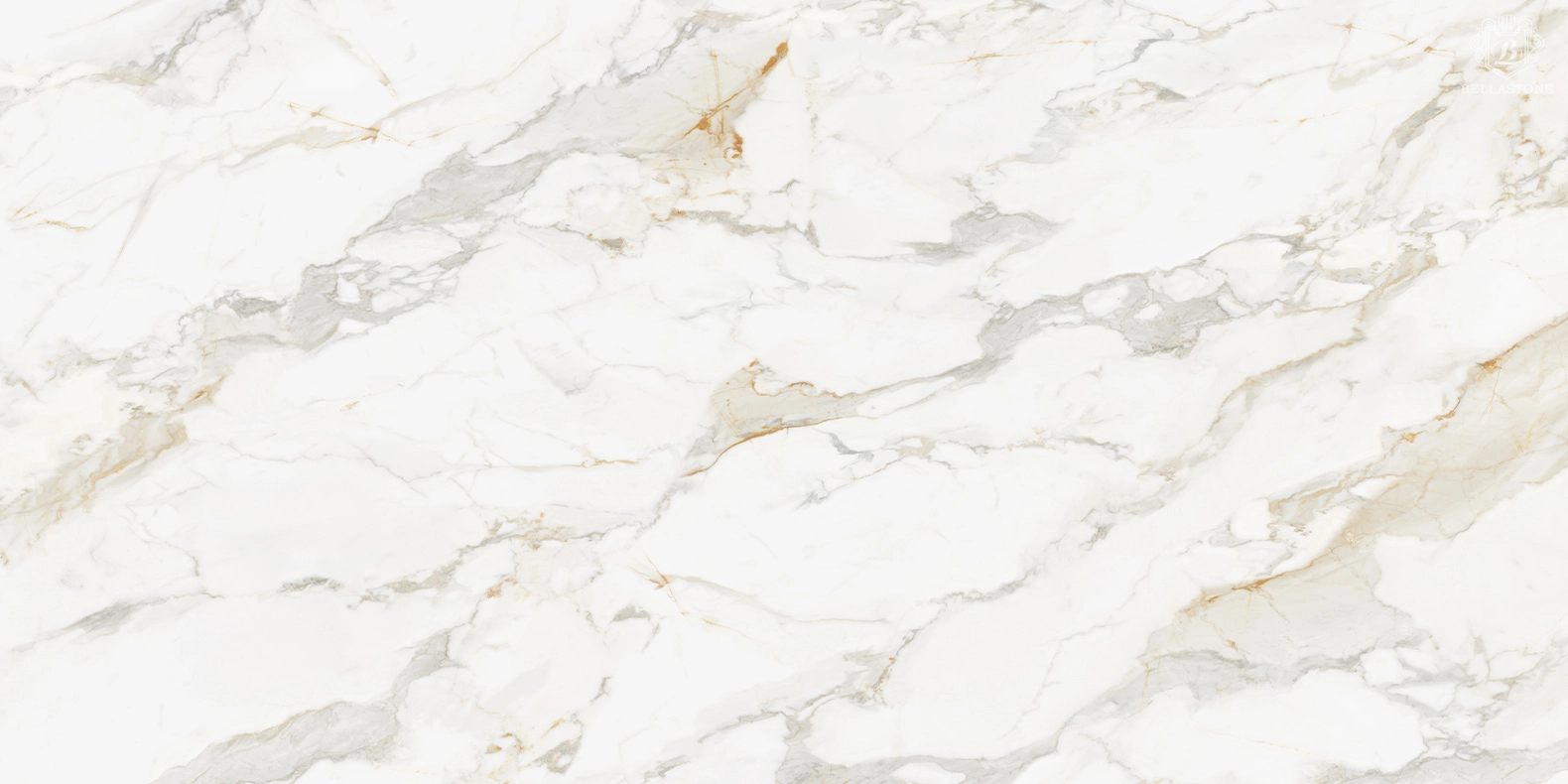
BELLASTONE Artificial Quartz Stone Printed Quartz Collection - BL5823 Aureo Bianco
The soft light texture replicates the texture of the original stone, with undulating textures resembling an eternal dialogue between ridges and waves. The high hardness and anti-pollution structure are suitable for kitchen and bathroom countertops and background walls, capturing the flowing poetry of natural power in minimalism.
Whether you're exploring design trends or planning your next build, our team is here to support with product advice, pricing, and tailored solutions.
Rest assured that your privacy is important to us, and all information provided will be handled with the utmost confidentiality.
By clicking "Send Inquiry Now", I agree to your processing my personal data.
To see how to withdraw your consent, how to control your personal data, and how we process it, please see our Privacy Policy and Terms of Use.
Bellastone, Premium Quartz Manufacturer & Exporter
© 2026 BELLASTONE. All Rights Reserved. | Privacy Policy | Terms and Conditions | Sitemap
Facebook
Linkedin
YouTube