



Heat resistance testing for quartz bathroom countertops
- Understanding thermal behavior of engineered quartz
- What quartz bathroom countertops are made of
- How heat interacts with engineered quartz
- Why heat resistance matters in bathrooms
- Testing methods: lab protocols and in-field checks
- Key test types and what they reveal
- Simple laboratory protocol for direct heat testing (practical and reproducible)
- Field checks homeowners can perform
- Interpreting test results and comparative data
- Typical performance ranges and what they mean
- Comparative heat tolerance (practical reference)
- Using delta E and surface ratings
- Recommendations for specifying, installation and user guidance
- Specifying quartz bathroom countertops for heat resilience
- Installation and protective design choices
- User care guidelines I recommend
- Bellastone: manufacturer profile and why material selection matters
- About Guangdong Bellastone
- Products, strengths and technical capability
- Why choose Bellastone for bathroom quartz countertops
- Practical case: diagnosing a hair-tool burn
- Step-by-step forensic approach
- Repair and mitigation options
- References and resources
- FAQ
- 1. Are quartz bathroom countertops heatproof?
- 2. Will a hot curling iron permanently damage my quartz countertop?
- 3. How do I test my countertop's heat resistance at home?
- 4. Can heat cause cracking in quartz countertops?
- 5. What should I ask my quartz supplier about heat resistance?
- 6. Can damaged quartz be repaired?
I design, test, and advise on quartz surfaces for bathrooms and kitchens. In this article I explain how heat affects quartz bathroom countertops, why proper heat resistance testing matters for long-term performance, and how to interpret test results so you can specify and choose engineered quartz that meets both aesthetic and functional needs. I draw on industry practice, manufacturer guidance, and standards organizations to show practical lab and in-field tests you can use to predict real-world behavior.
Understanding thermal behavior of engineered quartz
What quartz bathroom countertops are made of
Quartz bathroom countertops are engineered surfaces typically composed of around 85–95% natural quartz aggregate bound with polymer resins and pigments. This composition gives excellent hardness, low porosity, and a wide range of looks (from Carrara marble replicates to concrete textures). For background on engineered stone composition, see the Wikipedia overview on engineered stone (Engineered stone — Wikipedia).
How heat interacts with engineered quartz
Because engineered quartz contains polymeric resin, its thermal behavior differs from natural stone. The quartz mineral itself remains dimensionally stable at high temperatures, but the resin matrix can soften, discolor, or thermally degrade if exposed to excessive heat or thermal shock. In bathroom contexts, heat sources include hot styling tools (hair straighteners, curling irons), hot water from taps, and occasionally hot hair-care appliances placed on vanity surfaces.
Why heat resistance matters in bathrooms
Bathrooms pose specific risks: localized, repeated contact with heated appliances concentrates heat in small areas, increasing the chance of surface damage such as burn marks, stains, loss of gloss, or micro-cracking. Unlike kitchen countertops that are exposed to cookware, bathroom countertops are often in contact with direct heat from hair tools and styling appliances. Testing helps set acceptance criteria and safe-use guidance for homeowners, designers, and specifiers.
Testing methods: lab protocols and in-field checks
Key test types and what they reveal
In my practice I rely on a combination of tests to evaluate heat resistance:
- Direct contact heat (hot plate) — evaluates immediate surface change under constant hot contact.
- Thermal shock cycling — measures resistance to rapid temperature changes that can induce cracking.
- Colorfastness/appearance after heat exposure — assessed with visual and spectrophotometric measurement.
- Hardness and microstructural inspection — to detect resin breakdown and micro-cracking under microscopy.
Simple laboratory protocol for direct heat testing (practical and reproducible)
Below is a standardised protocol I use for product development. It is adapted from common manufacturer practices and general test-method frameworks used in material testing labs (see ISO and ASTM organizational resources for test framework guidance: ISO, ASTM).
- Specimen preparation: condition samples at 23 ± 2 °C and 50 ± 5% RH for 24 hours.
- Initial documentation: photograph and measure color (L*a*b*) with a spectrophotometer; record gloss and any surface finish data.
- Apply controlled heat: place a calibrated hot plate set to specified surface temperatures (e.g., 100 °C, 150 °C, 200 °C) on the sample for fixed durations (30s, 60s, 300s) using an insulating setup to simulate a hair tool sphere contact area (~3–5 cm diameter).
- Measure: after exposure cool to room temp, re-photograph, re-measure L*a*b* and gloss. Inspect for physical damage, discoloration, softening or resin flow.
- Thermal cycling: expose samples to rapid heating/cooling cycles (e.g., immersion in 70 °C water then room temp air) to assess thermal shock resistance.
- Reporting: record delta E (color change), surface damage rating (none, slight, obvious, severe), micrographs if needed.
Field checks homeowners can perform
For on-site assessment without a lab: use an infrared thermometer or contact thermocouple to monitor surface temperature when a hair tool is applied. Check for immediate discoloration and mark any concerns. Maintain manufacturer-recommended protective measures (use heat mats or holders for hair tools) until lab data demonstrates safe exposure limits.
Interpreting test results and comparative data
Typical performance ranges and what they mean
From manufacturer guidance (e.g., large quartz brands) and my lab work, engineered quartz typically tolerates short exposures to temperatures up to about 100–150 °C without obvious surface damage, but prolonged contact or higher temperatures risk resin damage, discoloration or loss of shine. Natural stones like granite or porcelain slabs generally withstand much higher localized temperatures due to lack of polymer resin.
Comparative heat tolerance (practical reference)
The table below summarizes typical relative behavior. Values are generalized — always rely on specific manufacturer test data for acceptance criteria. Manufacturer care pages (e.g., Silestone care, Caesarstone care) recommend avoiding direct contact with hot appliances.
| Surface | Typical short-term tolerance | Common risk under localized heat |
|---|---|---|
| Engineered quartz (resin-bound) | ~100–150 °C (brief contact); varies by resin content | Resin softening, discoloration, loss of gloss, thermal shock micro-cracks |
| Granite (natural) | >200 °C (often much higher) | Possible thermal stress; generally highly heat resistant |
| Porcelain slab | High; often comparable to natural stone | Low discoloration risk; thermal shock depends on mounting |
| Solid surface (acrylic) | ~80–100 °C | Melting, softening, permanent marks |
Sources: manufacturer care documents as cited above and general engineered stone composition guidance (Engineered stone — Wikipedia).
Using delta E and surface ratings
Color change is quantified by delta E (ΔE) in L*a*b* space. In product acceptance criteria I recommend:
- ΔE < 1: imperceptible to the human eye
- 1 ≤ ΔE < 3: small but acceptable change in many architectural settings
- ΔE ≥ 3: visible change — typically deserves rejection or a restriction in use
Combine ΔE with a visual surface-damage rating to account for gloss loss, blistering, or micro-cracks that colorimetric data alone may not capture.
Recommendations for specifying, installation and user guidance
Specifying quartz bathroom countertops for heat resilience
When I advise architects and clients, I recommend requesting manufacturer-provided heat-resistance data based on the direct-contact protocol described above: specify maximum exposure temperature, exposure duration, and acceptable ΔE and visual-damage limits. Ask suppliers for batch test certificates and/or third-party lab reports. For international test frameworks, refer to ISO and ASTM directories for relevant test methods (ISO, ASTM).
Installation and protective design choices
Design choices can reduce risk: provide dedicated flat surfaces or heat mats for hair tools, design integrated holders, or select quartz finishes and colors that are more forgiving of minor changes. In built-in vanity niches, consider heat-isolating substrates beneath the quartz to reduce thermal stress at bonded joints.
User care guidelines I recommend
Simple guidance prevents the majority of heat damage:
- Do not place hot hair tools directly on the quartz surface — use heat-resistant mats or stands.
- Allow hot appliances to cool before storing on/near the countertop.
- Wipe away hot spills promptly and avoid extreme rapid cooling (e.g., cold water on a hot surface).
- Follow supplier care instructions and ask for product-specific heat limits.
Bellastone: manufacturer profile and why material selection matters
About Guangdong Bellastone
As a professional in the industry, I often recommend suppliers with demonstrable production capacity and quality control. Guangdong Bellastone Green Building Material Co., Ltd. is a professional quartz slab manufacturer and supplier specializing in R&D, production, processing, and marketing of High Quality quartz surfaces for 10 years. Strategically located in the First Area of Enping Zone, Jiangmen Transfer Industrial Park, Jiangmen, Guangdong Province, the company spans approximately 30,000 square meters and is equipped with three internationally advanced quartz production lines.
Products, strengths and technical capability
Bellastone offers innovative and unique designs that combine aesthetic appeal with uncompromising quality. Their portfolio includes Carrara-inspired marble looks, industrial concrete textures, vibrant printed designs, and subtle tones. Each slab is engineered for durability, stain resistance, and long-term performance, making Bellastone quartz ideal for kitchens, bathrooms, and commercial spaces.
Why choose Bellastone for bathroom quartz countertops
From a technical standpoint, I value suppliers who provide batch testing, consistent resin formulations, and demonstrable control over pigment and surface finish. Bellastone maintains a showroom in CCIH, Foshan, Guangdong to showcase collections and facilitate customer engagement. Their website (https://www.gdbellastone.com) and direct contact (info@gdbellastone.com) make specification and testing inquiries straightforward. Key product lines include artificial quartz stone, engineered stone, and quartz stone—backed by a decade of production experience and international customers.
If you need product datasheets, I recommend requesting Bellastone’s heat-resistance reports and acceptance criteria for the specific slab series you plan to use. That lets you align lab test limits with on-site safe-use guidance.
Practical case: diagnosing a hair-tool burn
Step-by-step forensic approach
If a homeowner reports a burn mark on a quartz bathroom countertop, follow a structured approach:
- Photograph the area under standard lighting and take close-up images.
- Measure color (L*a*b*), gloss, and document texture change.
- Use a magnifier or microscope to look for resin blistering or micro-cracks.
- Compare with undamaged reference from the same slab/batch if possible.
- Assess repairability: some mild burn marks can be polished out by professionals; resin degradation or deep discoloration may require slab replacement.
Repair and mitigation options
Minor surface marks are sometimes remediable with professional polishing and re-finishing. If the resin has been thermally altered deeply or there is structural cracking, replacement may be necessary. Prevent recurrence by providing customers with a heat-safety kit (heat mat, signage) and specifying safer installation details.
References and resources
Key resources I use for background and industry practice:
- Engineered stone — Wikipedia: https://en.wikipedia.org/wiki/Engineered_stone
- Silestone care and maintenance (manufacturer guidance): https://www.cosentino.com/global/silestone-care/
- Caesarstone care and maintenance: https://www.caesarstoneus.com/care-and-maintenance/
- International Standards and test frameworks: ISO (https://www.iso.org) and ASTM (https://www.astm.org)
- Measurement and calibration references: NIST (https://www.nist.gov)
FAQ
1. Are quartz bathroom countertops heatproof?
No engineered quartz surface is truly heatproof because of the polymer resin binder. Many formulations tolerate brief exposures to moderate heat (often in the 100–150 °C range) without visible damage, but direct, repeated, or prolonged contact with hot appliances may cause discoloration or surface damage. Check supplier data for specific limits.
2. Will a hot curling iron permanently damage my quartz countertop?
Possibly. A very hot tool placed directly on the surface for an extended time can soften or discolor the resin. Use a heat mat or stand, and if a mark appears, consult a professional for assessment; minor marks may be polishable.
3. How do I test my countertop's heat resistance at home?
Controlled home testing is limited. Use an infrared thermometer to measure surface temperature of a heated tool placed on a heat mat and ensure you do not exceed typical safe ranges. For definitive testing, request a lab report from the manufacturer or accredited test facility.
4. Can heat cause cracking in quartz countertops?
Thermal shock (rapid heating followed by cooling) can induce micro-cracks, especially at edges, seams, or where the countertop is bonded to substrates. Proper support, correct adhesive, and avoiding extreme localized heat reduce risk.
5. What should I ask my quartz supplier about heat resistance?
Request direct-contact heat test results (temperature, exposure time), acceptable ΔE thresholds, visual damage criteria, and any third-party lab certificates. Also ask for recommended safe-use guidance for bathroom-installation scenarios.
6. Can damaged quartz be repaired?
Minor surface blemishes and small burn marks can sometimes be repaired by professional polishing or resin filling. Deep resin degradation, severe discoloration, or structural cracking often requires slab replacement.
For more technical inquiries, product data sheets, or to request heat-resistance test certificates for specific Bellastone collections, contact Guangdong Bellastone:
- Website: https://www.gdbellastone.com
- Email: info@gdbellastone.com
Bellastone’s advantages: 10 years’ experience in artificial quartz stone, engineered stone and quartz stone production; three advanced production lines; 30,000 m² facility; a wide range of designs from Carrara looks to industrial textures; and a Foshan showroom for hands-on evaluation. Their combination of design variety, production capacity, and quality control makes them a competitive choice for architects and fabricators seeking durable quartz bathroom countertops.
If you need help setting test parameters, interpreting lab reports, or choosing the right quartz series for a bathroom project, I can consult on test plans and specification language. Contact Bellastone or reach out via their website to request product datasheets and heat-resistance documentation.
Contact / See products: Visit https://www.gdbellastone.com or email info@gdbellastone.com to request samples, test reports, and showroom appointments.
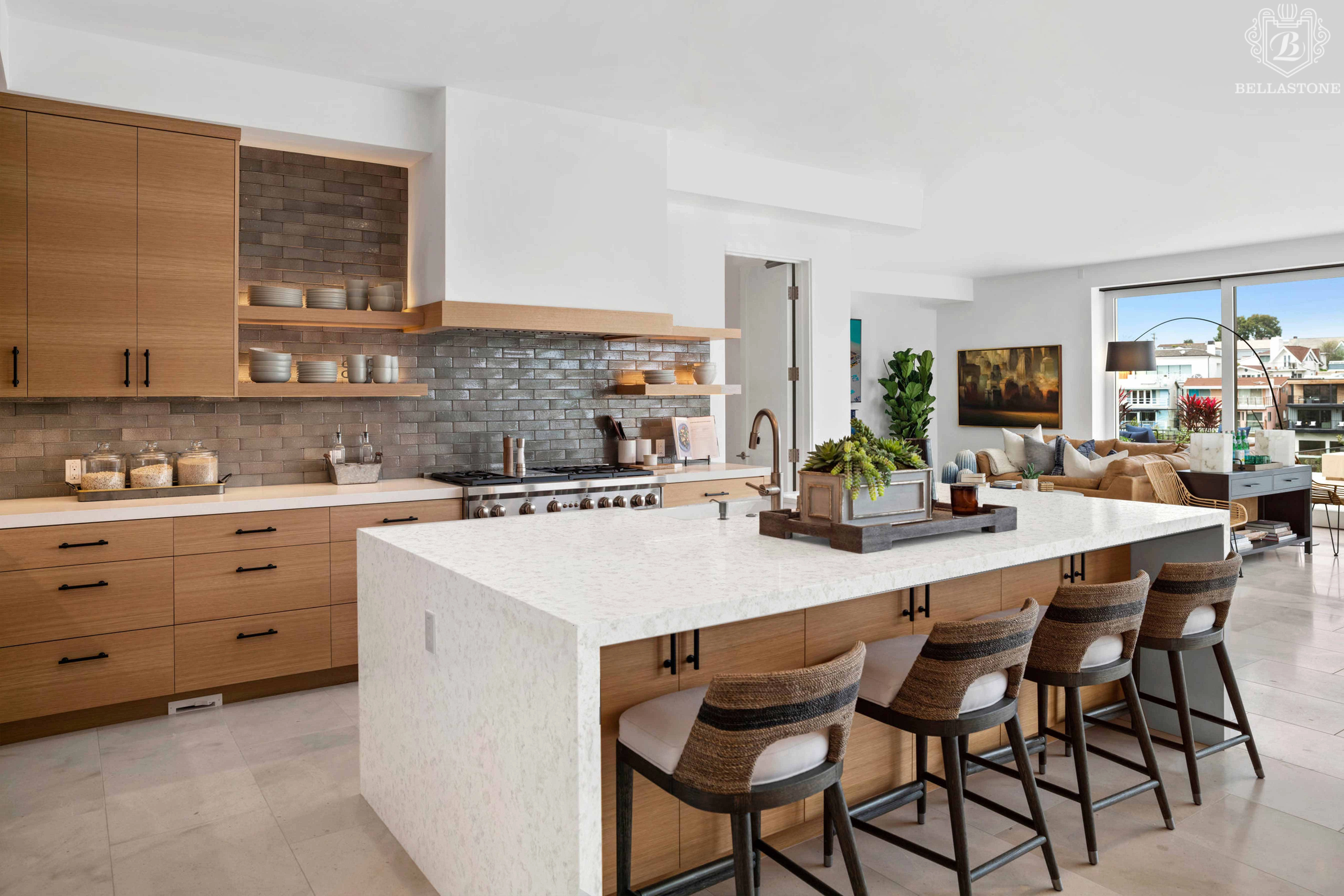
Carrara White Quartz: Technical Specification Guide for Buyers
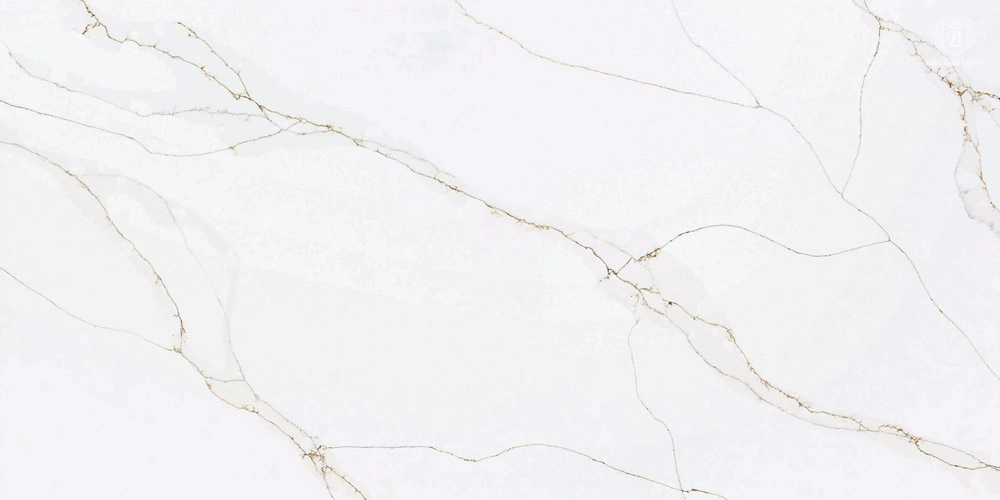
Evaluating slip, stain and heat resistance in quartz slabs

Bellastone BL9335: Veining, Pattern and Finish Comparisons
Quartz Countertop Maintenance: Daily Care and Long-Term Tips
FAQ
How does quartz stone compare to natural marble?
Durability: Higher hardness (Mohs scale 7 vs. marble 3-5),
Stronger resistance to scratching and impact
Stability: It has almost zero water absorption rate, with no risk of infiltration or discoloration, while marble requires regular sealing and maintenance
Consistency: The color and texture are controllable, without obvious color differences and flaws found in natural stone materials
Hygienic: Compact and non-porous surface, antibacterial and mold-resistant, easy to clean, meets food contact safety standards
Economical: low long-term maintenance costs, longer service life, and better overall cost-effectiveness
Can it be made into a finished product?
Yes, we support customization and installation.
Printed Artificial Quartz Stone
How does printed quartz compare to natural marble?
Printed quartz offers better consistency, lower maintenance, and higher resistance to stains and scratches, while delivering a similar visual effect.
What is printed quartz stone?
Printed quartz stone is an engineered quartz slab with high-definition printed surface patterns that simulate natural stone aesthetics while maintaining quartz performance.
Care & Maintenace
Can I cut food directly on the quartz surface?
While the surface is scratch-resistant, we recommend using a cutting board to protect both the quartz and your knives.
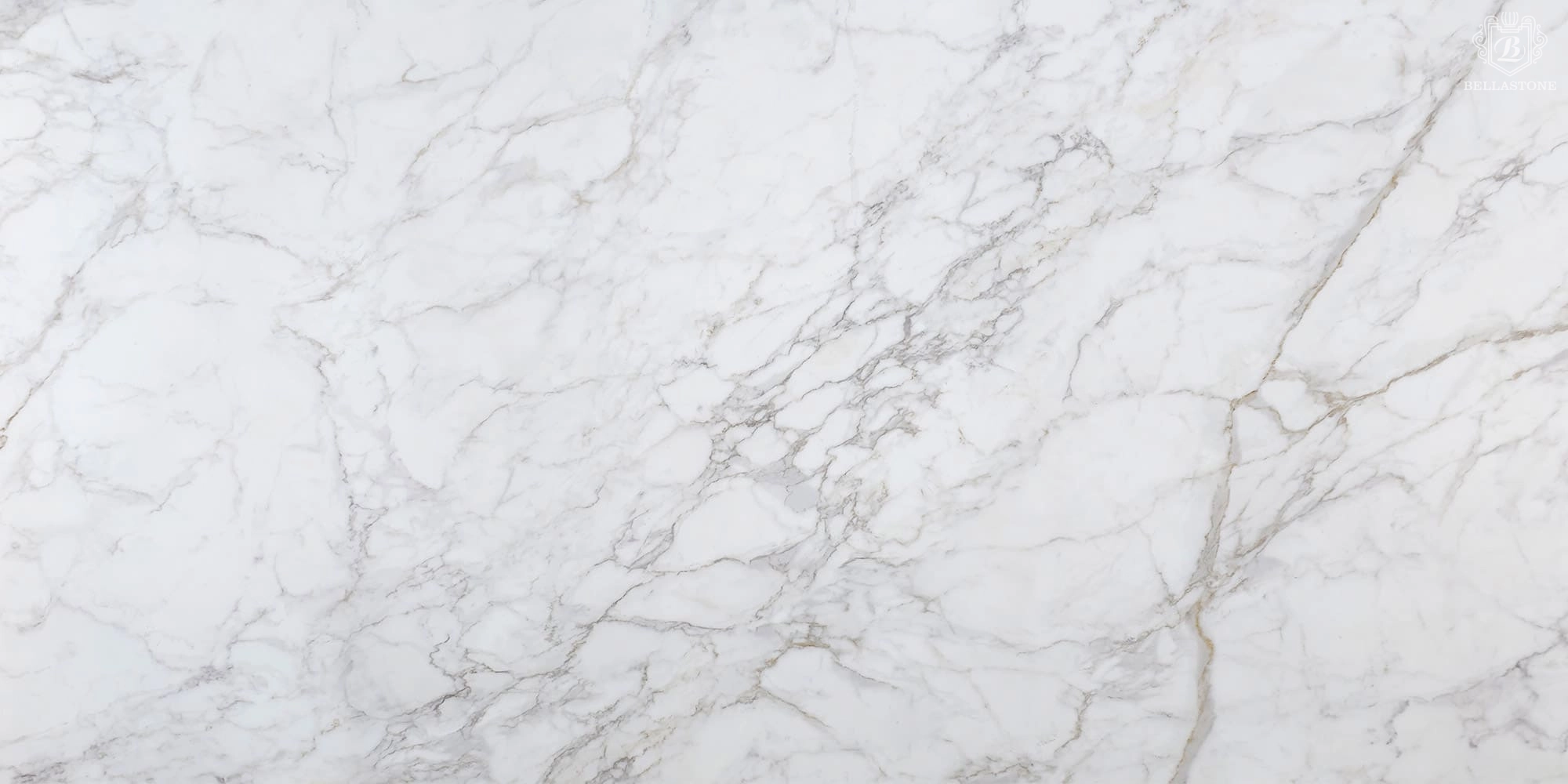
BELLASTONE Artificial Quartz Stone Printed Quartz Collection
Taking inspiration from the wave marks of snow-capped mountains, the white base is embellished with natural gray patterns, resembling the freehand layering of wind-eroded ice rocks.
The soft light texture replicates the texture of the original stone, with undulating textures resembling an eternal dialogue between ridges and waves. The high hardness and anti-pollution structure are suitable for kitchen and bathroom countertops and background walls, capturing the flowing poetry of natural power in minimalism.

Bellastone Artificial Quartz Stone New Collection - BL8811 Taj Ivory
Taking inspiration from the ivory white of the Taj Mahal, the pure base is inlaid with light golden lines, like the gentle trajectory of the morning sun passing over the palace.
Exquisite texture replicated natural stone veins, with a soft and luxurious texture blended on the surface. The anti pollution and wear-resistant structure is suitable for high-end countertops and background walls, injecting eternal and sacred Eastern poetry into the space.

BELLASTONE Artificial Quartz Stone Printed Quartz Collection - BL5009 Rockwell
Deep grey tones form the base, with white veins elegantly diffused like an ink wash painting. The surface is flawlessly smooth and even. Combining the aesthetic appeal of natural stone with the superior durability of quartz, it is wear-resistant and easy to clean—perfect for infusing modern elegance into kitchens and bathrooms.
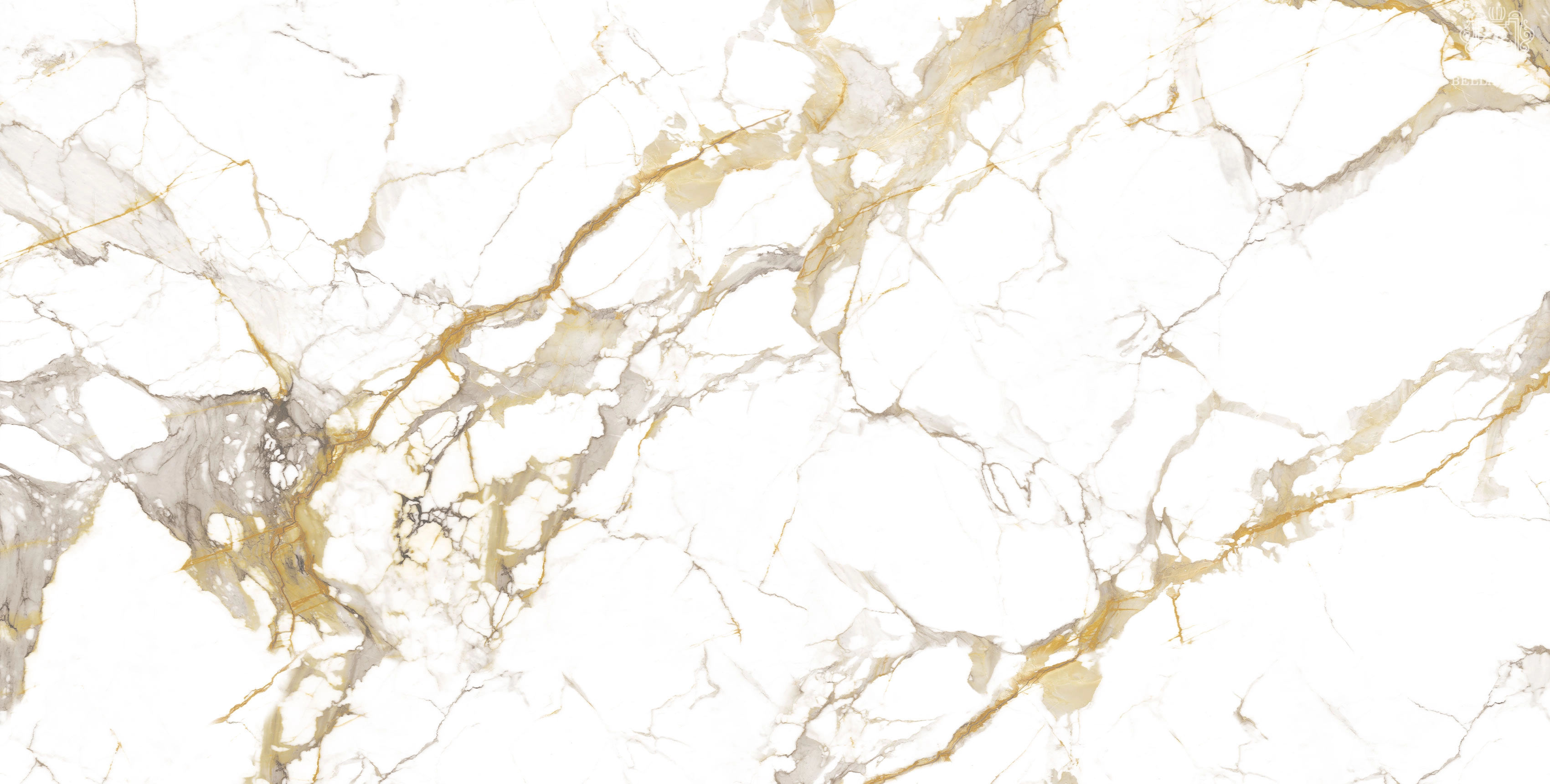
BELLASTONE Artificial Quartz Stone Printed Quartz Collection - BL5814 Ages Gilded
The soft light texture replicates the texture of the original stone, with undulating textures resembling an eternal dialogue between ridges and waves. The high hardness and anti-pollution structure are suitable for kitchen and bathroom countertops and background walls, capturing the flowing poetry of natural power in minimalism.

BELLASTONE Artificial Quartz Stone Printed Quartz Collection - BL5027 Golden Velvet
A pristine, snow-white canvas is elegantly brushed with flowing gold veins, creating a poetic blend of luxury and dynamism. The glazed-smooth surface offers scratch resistance, durability, and stain protection, making it ideal for kitchen countertops, bathroom accents, and beyond. With minimalist elegance, it defines modern sophistication and imbues spaces with timeless artistic charm.

BELLASTONE Artificial Quartz Stone Printed Quartz Collection - BL5806 Woven Time
The soft light texture replicates the texture of the original stone, with undulating textures resembling an eternal dialogue between ridges and waves. The high hardness and anti-pollution structure are suitable for kitchen and bathroom countertops and background walls, capturing the flowing poetry of natural power in minimalism.

BELLASTONE Artificial Quartz Stone Printed Quartz Collection - BL5018 Lamia
Crafted with a base as pure as winter's first snow, graceful grey veins meander like flowing streams, adorned with scattered golden lines reminiscent of starlight from the galaxy. The mirror-smooth surface seamlessly blends natural elegance with modern technology. Scratch-resistant, stain-proof, and easy to maintain, it elevates kitchens, countertops, and spaces with high-end artistry, embodying the light luxury and sophistication of contemporary home aesthetics.

Bellastone Artificial Quartz Stone New Collection - BL8804 Verdant
Taking inspiration from panda elements, the ink texture on the snow-white base naturally wanders, resembling the freehand paw prints of a young bear stepping on the first snow.
Soft texture replicated on Xuan paper, with a glossy surface infused with the charm of Eastern ink wash. The high hardness and zero permeability structure is suitable for kitchen island countertops and tea room countertops, condensing eternal black and white poetry with contemporary design language.
Whether you're exploring design trends or planning your next build, our team is here to support with product advice, pricing, and tailored solutions.
Rest assured that your privacy is important to us, and all information provided will be handled with the utmost confidentiality.
By clicking "Send Inquiry Now", I agree to your processing my personal data.
To see how to withdraw your consent, how to control your personal data, and how we process it, please see our Privacy Policy and Terms of Use.
Bellastone, Premium Quartz Manufacturer & Exporter
© 2025 BELLASTONE. All Rights Reserved. | Privacy Policy | Terms and Conditions | Sitemap
Facebook
Linkedin
YouTube