



Guide to comparing engineered stone for countertops and natural stone
- Material basics: what engineered stone for countertops is and how it differs from natural stone
- What engineered stone is made of
- How natural stone differs at a glance
- Performance comparison: durability, stain and heat resistance
- Durability and scratch resistance
- Stain and chemical resistance
- Heat tolerance and thermal shock
- Appearance, design flexibility, and the Bellastone BL9423 example
- Visual variety and design control
- Case study: Bellastone Artificial Quartz Stone Classic Collection - BL9423 Golden Highlight Rooting
- When natural variation matters
- Cost, lifecycle, and environmental considerations
- Upfront cost and lifecycle value
- Environmental and health factors
- Sustainability best practices
- Installation, care, and real-world maintenance advice
- Installation considerations
- Daily cleaning and stain prevention
- Repair and long-term upkeep
- Side-by-side comparison table
- Decision checklist: how to choose the right surface for your project
- Project questions to ask
- When to prefer engineered stone for countertops
- When natural stone is the better choice
- References and further reading
- FAQ
- Is engineered stone as good as natural stone for kitchen countertops?
- Does Bellastone BL9423 require sealing?
- Can engineered quartz withstand hot pots and pans?
- How long do engineered stone countertops last?
- Are there health concerns with engineered stone?
This guide provides a clear, searchable comparison between engineered stone for countertops and natural stone to help homeowners, architects, and fabricators make informed choices. It explains material composition, performance characteristics, maintenance demands, cost considerations, and sustainability factors, and includes actionable advice for selecting the right surface for kitchens, bathrooms, and feature walls. Authoritative references and a product case study (Bellastone Artificial Quartz Stone Classic Collection - BL9423 Golden Highlight Rooting) are included for real-world context.
Material basics: what engineered stone for countertops is and how it differs from natural stone
What engineered stone is made of
Engineered stone, commonly known as quartz surfacing or engineered quartz, is a composite material made by combining crushed natural stone (usually quartz) with polymer resins and pigments. Because manufacturers control the proportions and processing, the result is a consistent, non-porous slab engineered for use as countertops, vanities, and cladding. For an overview of engineered stone, see the encyclopedic entry on engineered stone (Engineered stone - Wikipedia).
How natural stone differs at a glance
Natural stone—granite, marble, limestone, soapstone, and others—is quarried in blocks and cut into slabs. Each slab is unique in pattern and mineral composition. Natural stone is valued for its authenticity and variation, but it is inherently porous to varying degrees and requires different treatment and maintenance compared to engineered stone for countertops. The Natural Stone Institute provides guidance and standards for working with natural materials (Natural Stone Institute).
Performance comparison: durability, stain and heat resistance
Durability and scratch resistance
Engineered stone for countertops is typically very durable because of its high quartz content and cured resin matrix. It resists chipping and moderate impact well and offers consistent hardness across slabs. Natural stones like granite are also hard but vary slab to slab; softer stones like marble are more scratch-prone. For projects where consistent hardness and long-term scratch resistance are priorities, engineered quartz often performs better.
Stain and chemical resistance
Most engineered stone countertops are non-porous or have extremely low porosity thanks to the resin binder, making them highly stain-resistant to common household substances. Natural stone can be porous—marble in particular—and often needs sealing to reduce staining risk. Regular resealing is typical for many natural stones, while engineered surfaces rarely require it.
Heat tolerance and thermal shock
Both engineered stone and many natural stones tolerate typical kitchen temperatures. However, engineered quartz contains resins that can be damaged by direct exposure to very high heat (hot pans taken straight from the stove). Natural stones like granite are generally more heat resistant. For safety, always use trivets or heat pads regardless of surface type.
Appearance, design flexibility, and the Bellastone BL9423 example
Visual variety and design control
One of the biggest advantages of engineered stone for countertops is design consistency and expanded aesthetic range. Manufacturers can produce slabs that mimic rare marbles, dramatic veining, and bespoke colorways—with repeatable patterns across multiple slabs for a coherent look in large projects.
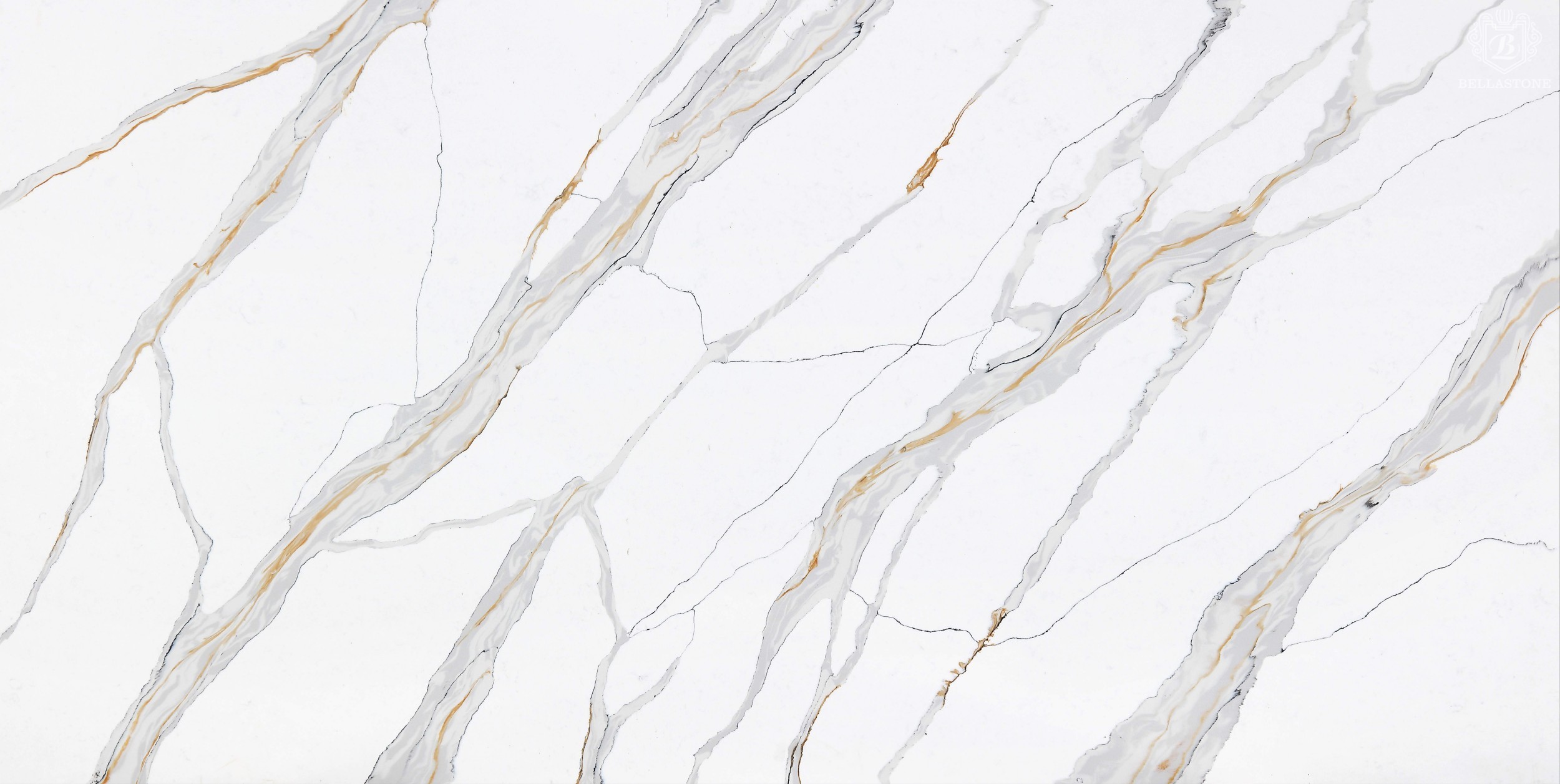
Case study: Bellastone Artificial Quartz Stone Classic Collection - BL9423 Golden Highlight Rooting
Bellastone Artificial Quartz Stone Classic Collection - BL9423 Golden Highlight Rooting
Inspired by gilded veins, a pure white base intertwines dynamic gray patterns and luminous golden filaments, evoking the natural spectacle of dawn piercing through an icy expanse. Its delicate texture replicates the luxurious feel of rare stone, while the glossy surface radiates a metallic luster. With stain-resistant and wear-resistant properties, it is ideal for luxury countertops and artistic feature walls, infusing spaces with a powerful yet dynamic natural force.
BL9423 is a good example of how engineered stone for countertops can achieve a high-end marble look while offering practical improvements in stain and wear resistance. For designers who want consistent, repeatable veining and a metallic sheen, such engineered slabs let you plan large, seamless surfaces without the variability inherent in quarried stone.
When natural variation matters
If you prioritize the one-of-a-kind character of each slab—unexpected veining, subtle mineral inclusions—natural stone may better fulfill your aesthetic goals. For restoration or heritage projects where matching historic stone is important, natural stone can be preferable despite its maintenance requirements.
Cost, lifecycle, and environmental considerations
Upfront cost and lifecycle value
Costs vary widely by material, finish, and geographic market. As a rule of thumb, engineered stone for countertops often sits in the mid-to-upper price range depending on brand and design complexity; rare natural stones (certain marbles or onyx) can be far more expensive. However, lifecycle costs (maintenance, sealing, repair) may be lower for engineered surfaces because they are less porous and easier to maintain, which can improve total cost of ownership.
Environmental and health factors
Both engineered and natural stone have environmental footprints: quarrying, transportation, and fabrication consume energy and produce waste. Engineered stone uses resins and additives that raise questions around VOCs and end-of-life disposal; reputable manufacturers now publish product EPDs (Environmental Product Declarations) and low-VOC certifications. For international standards and broader context, see the International Organization for Standardization (ISO).
Sustainability best practices
To minimize environmental impact, look for manufacturers that report lifecycle data, use recycled content, and offer take-back or recycling programs. Choosing local suppliers to reduce transport emissions and selecting longer-lasting materials also reduces environmental cost over time.
Installation, care, and real-world maintenance advice
Installation considerations
Engineered stone for countertops is fabricated with specialized tools and requires experienced fabricators for accurate templating, seam placement, and edge finishing. Because engineered slabs are consistent, matching slabs for continuous veining is easier than with natural stone. Always work with certified installers who follow the manufacturer's fabrication guidelines to maintain warranties.
Daily cleaning and stain prevention
For everyday care, wipe surfaces with a mild detergent or pH-neutral cleaner and a soft cloth. Avoid abrasive pads and strong solvents. Although engineered quartz is stain-resistant, promptly clean spills such as red wine, coffee, or oil. For natural stone, follow sealing schedules recommended by the fabricator or stone supplier.
Repair and long-term upkeep
Minor chips or scratches on engineered stone can sometimes be repaired using manufacturer-specified kits or professional restoration services. For natural stone, repair depends on stone type—marble etches from acids and may need honing and polishing to restore the surface. Keeping a maintenance plan ensures longevity regardless of material choice.
Side-by-side comparison table
| Characteristic | Engineered Stone (Quartz, e.g., Bellastone BL9423) | Natural Stone (Granite, Marble, etc.) |
|---|---|---|
| Appearance consistency | High — controlled patterns and colors | Variable — each slab unique |
| Porosity / stain resistance | Low porosity; very stain-resistant | Variable; many need sealing to resist stains |
| Scratch resistance | High (quartz hardness + resin) | High for granite; lower for marble |
| Heat resistance | Good but can be damaged by direct, extreme heat | Generally higher heat tolerance (granite) |
| Maintenance | Low — routine cleaning; no sealing | Medium to high — periodic sealing and care |
| Cost range | Mid to high (depends on brand/design) | Variable — low to very high (rare stones) |
| Sustainability | Depends on resin content and manufacturer transparency | Quarrying impacts; can be long-lived if locally sourced |
Decision checklist: how to choose the right surface for your project
Project questions to ask
- What level of maintenance are you willing to do?
- Do you need consistent slab appearance across a large area?
- Is heat tolerance a primary concern (e.g., around cooktops)?
- Are sustainability certifications or recycled content important?
- What is the long-term budget, including maintenance and potential repairs?
When to prefer engineered stone for countertops
Choose engineered quartz when you want consistent aesthetics, high stain resistance, lower maintenance, and reliable performance in high-use kitchens. Products like Bellastone BL9423 deliver marble-like luxury while offering the practical benefits of engineered surfaces.
When natural stone is the better choice
Choose natural stone when you value unique, one-off character, traditional authenticity, or when a specific slab is required for restoration or an architectural match. If you accept periodic sealing and tailored maintenance, natural stone can deliver timeless beauty.
References and further reading
- Engineered stone - Wikipedia
- Natural stone - Wikipedia
- Natural Stone Institute (industry guidance)
- ISO - International Organization for Standardization (standards overview)
FAQ
Is engineered stone as good as natural stone for kitchen countertops?
Engineered stone for countertops offers comparable or better performance in stain resistance and consistency and often requires less maintenance than many natural stones. Natural stone offers unique aesthetics; the best choice depends on priorities (appearance vs. maintenance).
Does Bellastone BL9423 require sealing?
Most engineered quartz products, including Bellastone's Artificial Quartz Stone series like BL9423, are low-porosity and do not require regular sealing. Always confirm with the manufacturer's care instructions and your fabricator.
Can engineered quartz withstand hot pots and pans?
Engineered stone can resist moderate heat, but sudden exposure to very high temperatures (e.g., hot pans straight from the stove) can damage the resin. Use trivets or hot pads as a precaution.
How long do engineered stone countertops last?
With proper care, engineered stone countertops commonly last decades. Their non-porous nature and resistance to staining and wear contribute to a long useful life.
Are there health concerns with engineered stone?
Solid slabs in finished countertops are generally safe for daily use. The main health concern historically relates to fabrication dust containing crystalline silica; proper dust controls and PPE are essential during cutting and fabrication. For finished products, select manufacturers with low-VOC finishes and transparent product data.
If you want to explore Bellastone Artificial Quartz Stone Classic Collection - BL9423 Golden Highlight Rooting or request a sample, please contact our sales team or view the product page for technical data, sample requests, and pricing. Our experts can provide fabrication recommendations, sample boards, and project quotes.
Best calacatta quartz slab manufacturers and supplier brands

Bellastone BL9335 Calacatta Brendy: Care & Maintenance Tips
Warranty and after-sales policies for quartz countertops
Edge finishing techniques for quartz countertops
FAQ
What is the minimum order quantity?
Minimum order quantity: 30 pieces.
What scenarios is it applicable to?
Kitchen countertops and island tops, bathroom vanity tops, wall decorations and feature walls, commercial interior design, restaurants and public buildings, residential renovation projects.
Care & Maintenace
Is Bellastone quartz heat-resistant?
Quartz is heat-resistant, but not heat-proof. Always use trivets or hot pads to protect the surface from direct heat or hot cookware.
Printed Artificial Quartz Stone
How does printed quartz compare to natural marble?
Printed quartz offers better consistency, lower maintenance, and higher resistance to stains and scratches, while delivering a similar visual effect.
Can I customize patterns or colors?
Yes. BELLASTONE offers customized printed designs, colors, and slab specifications for OEM and project orders.
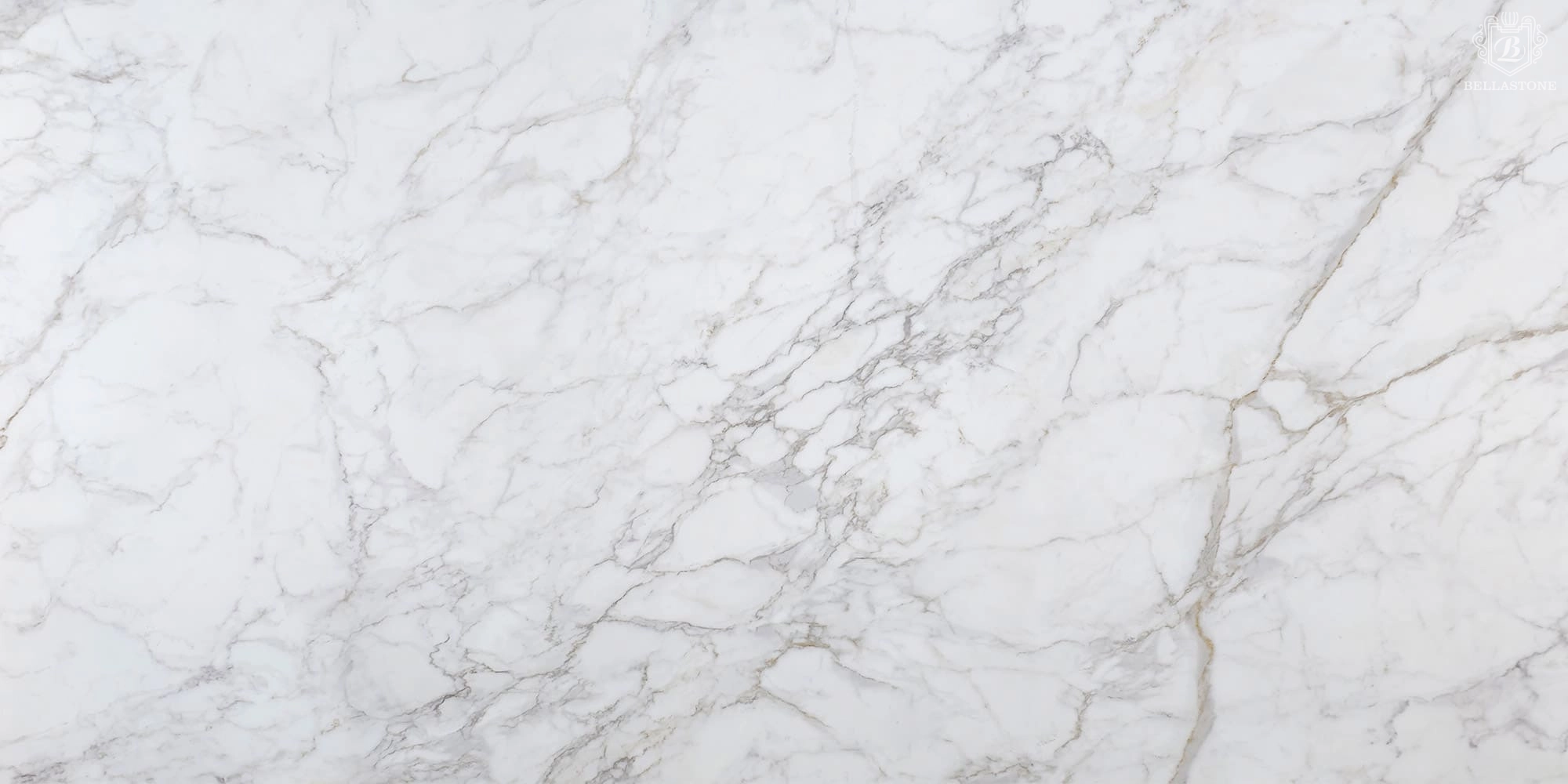
BELLASTONE Artificial Quartz Stone Printed Quartz Collection
Taking inspiration from the wave marks of snow-capped mountains, the white base is embellished with natural gray patterns, resembling the freehand layering of wind-eroded ice rocks.
The soft light texture replicates the texture of the original stone, with undulating textures resembling an eternal dialogue between ridges and waves. The high hardness and anti-pollution structure are suitable for kitchen and bathroom countertops and background walls, capturing the flowing poetry of natural power in minimalism.
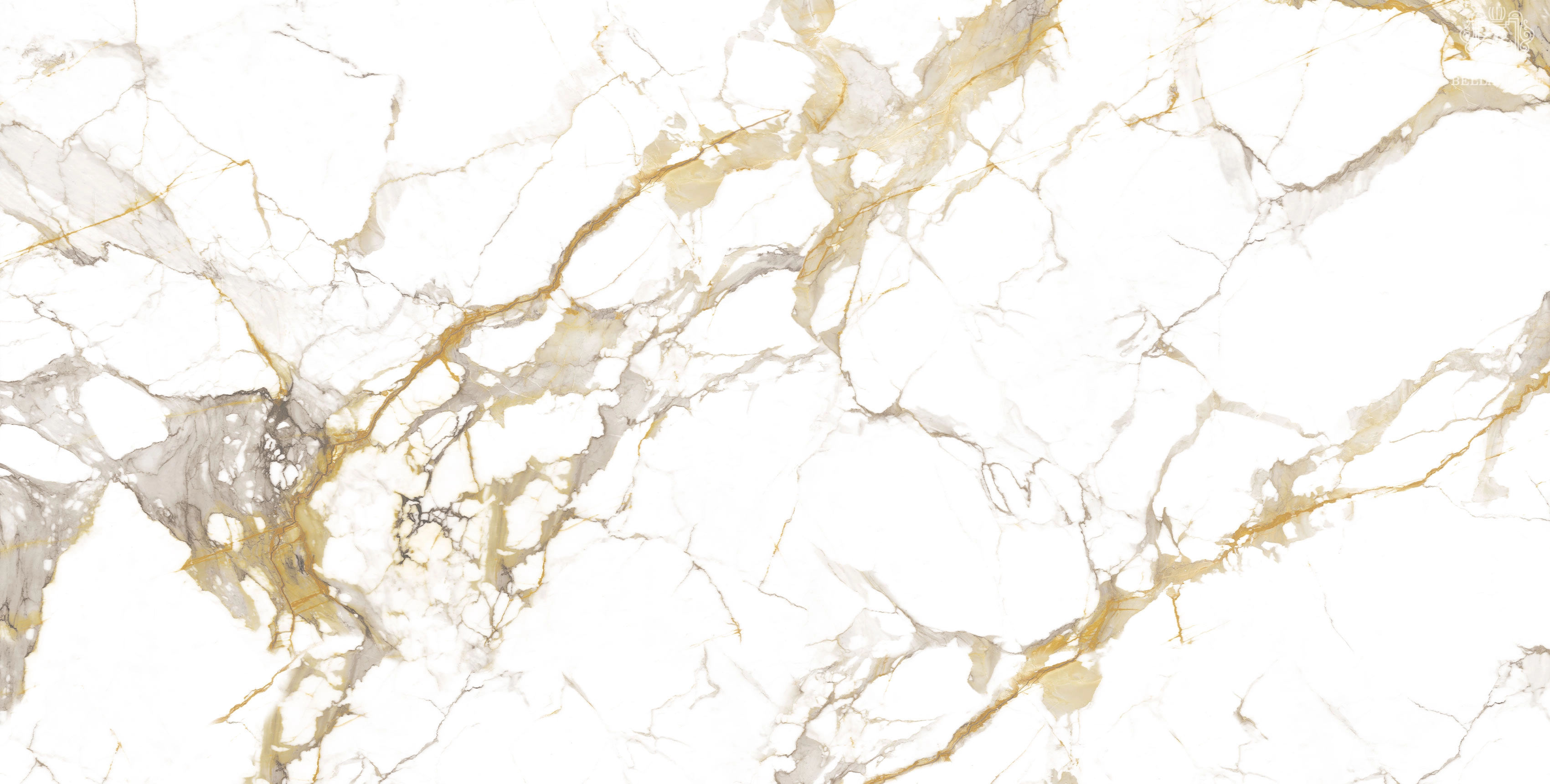
BELLASTONE Artificial Quartz Stone Printed Quartz Collection - BL5814 Ages Gilded
The soft light texture replicates the texture of the original stone, with undulating textures resembling an eternal dialogue between ridges and waves. The high hardness and anti-pollution structure are suitable for kitchen and bathroom countertops and background walls, capturing the flowing poetry of natural power in minimalism.
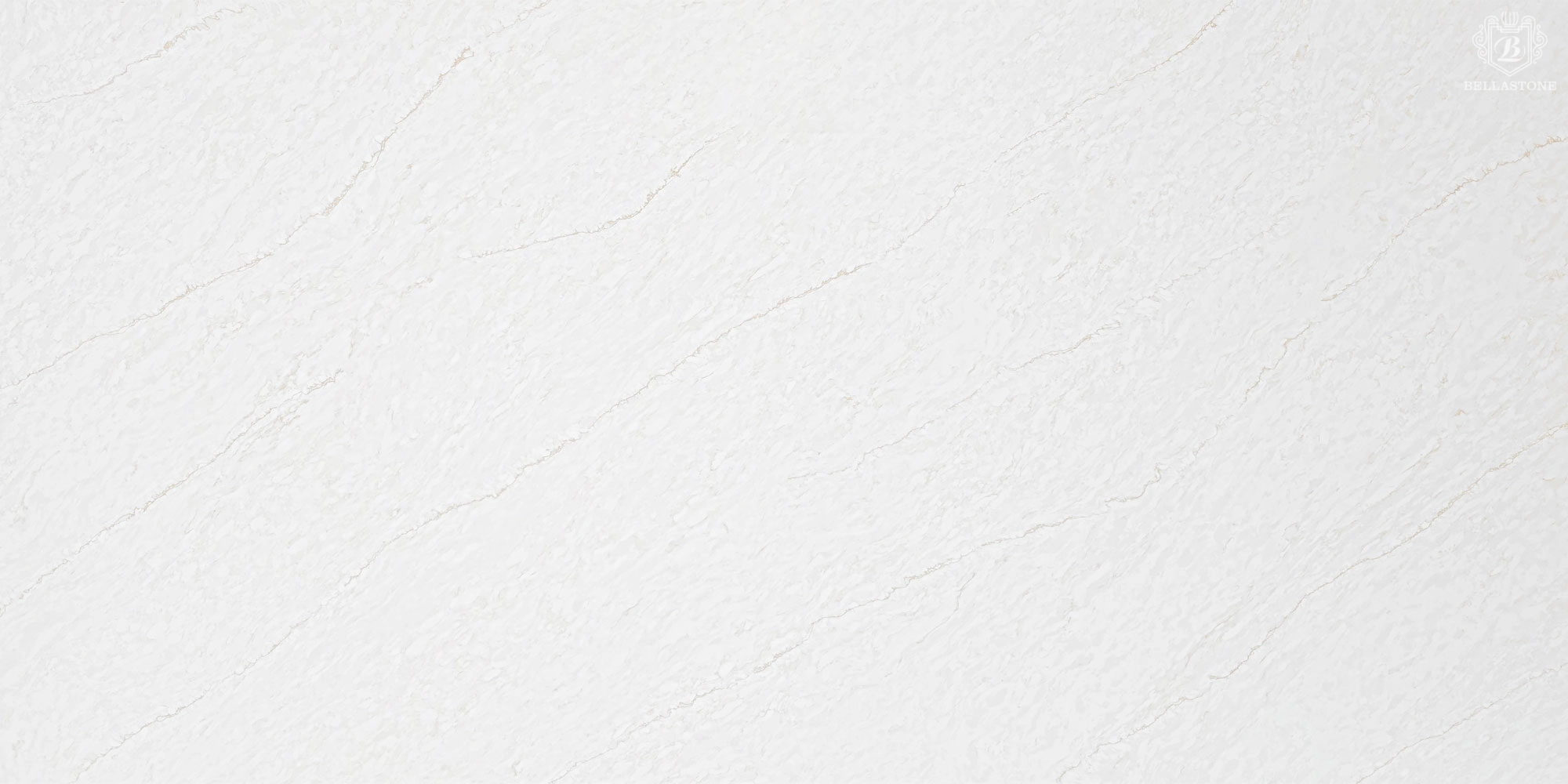
Bellastone Artificial Quartz Stone New Collection - BL8811 Taj Ivory
Taking inspiration from the ivory white of the Taj Mahal, the pure base is inlaid with light golden lines, like the gentle trajectory of the morning sun passing over the palace.
Exquisite texture replicated natural stone veins, with a soft and luxurious texture blended on the surface. The anti pollution and wear-resistant structure is suitable for high-end countertops and background walls, injecting eternal and sacred Eastern poetry into the space.

BELLASTONE Artificial Quartz Stone Printed Quartz Collection - BL5009 Rockwell
Deep grey tones form the base, with white veins elegantly diffused like an ink wash painting. The surface is flawlessly smooth and even. Combining the aesthetic appeal of natural stone with the superior durability of quartz, it is wear-resistant and easy to clean—perfect for infusing modern elegance into kitchens and bathrooms.

BELLASTONE Artificial Quartz Stone Printed Quartz Collection - BL5027 Golden Velvet
A pristine, snow-white canvas is elegantly brushed with flowing gold veins, creating a poetic blend of luxury and dynamism. The glazed-smooth surface offers scratch resistance, durability, and stain protection, making it ideal for kitchen countertops, bathroom accents, and beyond. With minimalist elegance, it defines modern sophistication and imbues spaces with timeless artistic charm.

BELLASTONE Artificial Quartz Stone Printed Quartz Collection - BL5806 Woven Time
The soft light texture replicates the texture of the original stone, with undulating textures resembling an eternal dialogue between ridges and waves. The high hardness and anti-pollution structure are suitable for kitchen and bathroom countertops and background walls, capturing the flowing poetry of natural power in minimalism.

BELLASTONE Artificial Quartz Stone Printed Quartz Collection - BL5018 Lamia
Crafted with a base as pure as winter's first snow, graceful grey veins meander like flowing streams, adorned with scattered golden lines reminiscent of starlight from the galaxy. The mirror-smooth surface seamlessly blends natural elegance with modern technology. Scratch-resistant, stain-proof, and easy to maintain, it elevates kitchens, countertops, and spaces with high-end artistry, embodying the light luxury and sophistication of contemporary home aesthetics.

Bellastone Artificial Quartz Stone New Collection - BL8804 Verdant
Taking inspiration from panda elements, the ink texture on the snow-white base naturally wanders, resembling the freehand paw prints of a young bear stepping on the first snow.
Soft texture replicated on Xuan paper, with a glossy surface infused with the charm of Eastern ink wash. The high hardness and zero permeability structure is suitable for kitchen island countertops and tea room countertops, condensing eternal black and white poetry with contemporary design language.
Whether you're exploring design trends or planning your next build, our team is here to support with product advice, pricing, and tailored solutions.
Rest assured that your privacy is important to us, and all information provided will be handled with the utmost confidentiality.
By clicking "Send Inquiry Now", I agree to your processing my personal data.
To see how to withdraw your consent, how to control your personal data, and how we process it, please see our Privacy Policy and Terms of Use.
Bellastone, Premium Quartz Manufacturer & Exporter
© 2025 BELLASTONE. All Rights Reserved. | Privacy Policy | Terms and Conditions | Sitemap
Facebook
Linkedin
YouTube