



How to choose quartz slab thickness for bathroom countertops
- Understanding materials and typical thickness options
- What engineered quartz is and why thickness matters
- Common slab thicknesses and how they are measured
- Material density and weight calculations
- Balancing performance, aesthetics, and installation
- Structural performance and span limits
- Edge profiles, sink types and their thickness implications
- Aesthetics, seams and color matching
- Practical installation considerations and cost tradeoffs
- Cabinet strength, transportation, and handling
- Cost per square meter and fabrication complexity
- Maintenance and long-term performance
- Decision framework: picking the right thickness for common bathroom scenarios
- Small powder room with wall-hung vanity
- Typical residential master bathroom vanity
- Large or commercial bathrooms, integrated sinks, and heavy use
- Quick decision checklist
- Standards, testing, and verifying manufacturer data
- Why test data matters
- Authoritative references and industry standards
- Questions to ask your supplier and fabricator
- Practical tips from my installation experience
- Template and measuring accuracy
- Transport, access, and handling logistics
- Finishing and edge repairs
- Manufacturer spotlight: Bellastone (relevant to quartz bathroom countertops)
- FAQ (Frequently Asked Questions)
- 1. What is the best quartz slab thickness for a bathroom vanity?
- 2. Can I use a 12 mm quartz slab for undermount sinks?
- 3. How much heavier is 30 mm compared to 20 mm quartz?
- 4. Do thicker quartz slabs resist staining better?
- 5. Will a thicker slab eliminate seams on my vanity?
- 6. What documentation should I get from my supplier?
- Contact and next steps
Choosing the appropriate thickness for quartz bathroom countertops is a decision that affects appearance, durability, installation complexity, and cost. As a consultant with years of experience in engineered stone and quartz surfaces, I guide you through the material science, practical constraints, and real-world tradeoffs so you can pick the right quartz slab thickness for your vanity, undermount sinks, and bathroom configurations.
Understanding materials and typical thickness options
What engineered quartz is and why thickness matters
Engineered quartz, commonly used for quartz bathroom countertops, is a composite of natural quartz aggregates bound with polymeric resins and pigments. Its engineered structure gives consistent color and high stain resistance compared to natural stone. Thickness matters because it determines stiffness, weight, edge profile options, and the number of seams required on your vanity. For an overview of engineered stone composition and uses, see the Wikipedia entry on engineered stone: https://en.wikipedia.org/wiki/Engineered_stone.
Common slab thicknesses and how they are measured
The industry commonly offers slabs in three principal thicknesses: roughly 12 mm (often sold as thin or 1/2), 20 mm (standard, roughly 3/4), and 30 mm (thicker, often 1 1/4). These are nominal values; finished installed thickness can vary due to fabricated edge profiles. Note that manufacturers also deliver calibrated thickness in their technical datasheets, so always confirm with your supplier.
Material density and weight calculations
Weight is a key practical consideration when selecting thickness. Typical engineered quartz density is approximately 2.3–2.6 g/cm3 depending on resin content and filler; quartz mineral density is ~2.65 g/cm3 (https://en.wikipedia.org/wiki/Quartz), so I use 2.4 g/cm3 as a practical average for weight estimates. Below I present simple weight calculations that help determine whether cabinets and installers can safely handle the slab.
| Thickness | Approx. thickness (mm) | Weight (kg/m2) | Recommended bathroom uses |
|---|---|---|---|
| Thin | 12 mm | ~28.8 kg/m2 (0.012 m x 2400 kg/m3) | Wall-hung vanities, narrow counters, floating shelves with reinforcement |
| Standard | 20 mm | ~48 kg/m2 (0.02 m x 2400 kg/m3) | Most bathroom vanities; good balance of strength and cost |
| Thick | 30 mm | ~72 kg/m2 (0.03 m x 2400 kg/m3) | Integrated sink designs, heavy edge profiles, commercial bathrooms |
Balancing performance, aesthetics, and installation
Structural performance and span limits
Thicker slabs are stiffer and less likely to deflect under point loads (for example, leaning on the counter or placing heavy items). For standard bathroom vanity spans (typically under 1.2–1.5 m between supports), 20 mm quartz is structurally adequate in most cases when installed on a continuous substrate or well-supported cabinetry. If you have a longer unsupported span or a floating counter, consider 30 mm or additional reinforcement such as a plywood substrate or metal brackets.
Edge profiles, sink types and their thickness implications
Edge profiles change perceived thickness. A 20 mm slab can be laminated (two layers) to mimic a 40 mm look, but lamination adds seams and cost. For undermount sinks, ensure fabricator instructions for the chosen thickness; thin 12 mm slabs often require a stronger support frame around the undermount cutout. Integrated sinks or heavy vessel installations favor 30 mm slabs for a more robust edge and lower risk of chipping.
Aesthetics, seams and color matching
Thinner slabs mean less visual mass and a lighter aesthetic. However, for wide vanities with multiple slabs, seams will be visible regardless of thickness. Choose a slab thickness that complements the bathroom design: contemporary minimalist designs often use 12 mm with slim profiles; traditional or luxury designs lean toward 30 mm. For consistent vein matching across seams, work with a supplier that offers full-slab matching and templating services.
Practical installation considerations and cost tradeoffs
Cabinet strength, transportation, and handling
Weight affects shipping and on-site handling. A 1.8 m x 0.6 m 30 mm slab weighs roughly 77.8 kg (1.08 m2 x 72 kg/m2), whereas the same area in 20 mm weighs about 52 kg. If the vanity is wall-hung, confirm the wall and fixing are engineered to support the additional mass, and that the installer has appropriate lifting equipment. Some installers charge extra for heavier slabs or complicated access situations.
Cost per square meter and fabrication complexity
Thicker slabs cost more per m2 both for material and fabrication. Fabrication complexity increases with intricate edge profiles, undermount sinks, and multiple cutouts. Thin slabs might be less expensive in material cost but may require reinforcement, negating initial savings. Always request a detailed estimate that breaks down slab cost, fabrication, seams, and installation labor.
Maintenance and long-term performance
Quartz is non-porous and highly stain resistant, so maintenance differences between thicknesses are negligible. However, chips and edge damage are more visible on thin edges; a thicker edge can be reshaped more easily during repair. For commercial bathrooms or heavy-use areas, thicker quartz adds a durability margin.
Decision framework: picking the right thickness for common bathroom scenarios
Small powder room with wall-hung vanity
In my experience, a 12 mm quartz slab, reinforced and installed on a continuous plywood backing or metal bracket system, provides the clean, slim look desired in powder rooms. Ensure the wall fixings and bracket design are rated for the combined weight of the slab and future loads.
Typical residential master bathroom vanity
For most residential master bathrooms, I recommend 20 mm quartz. It balances cost, appearance, and structural performance for typical spans under 1.5 m. It also accommodates undermount sinks with standard fabrication practices and is easier to transport and install than 30 mm slabs.
Large or commercial bathrooms, integrated sinks, and heavy use
Where long unsupported spans, integrated sinks, or heavy-use commercial installations are involved, 30 mm is the safer choice. It minimizes flexing, reduces risk around sink cutouts, and provides a High Quality appearance. For very long spans, combine thickness with internal reinforcement or a substrate designed for load distribution.
Quick decision checklist
- Span length: under 1.2 m — 20 mm is usually fine; over 1.5 m — consider 30 mm or reinforcement.
- Sinks: undermount on 12 mm requires reinforcement; undermount on 20 mm is standard; integrated sinks favor 30 mm.
- Edge look: thin profile — 12 mm; standard clean look — 20 mm; heavy/luxury look — 30 mm or laminated.
- Budget: 12 mm lowest material cost, but check reinforcement costs; 30 mm highest cost but easiest to maintain visually over years.
Standards, testing, and verifying manufacturer data
Why test data matters
Not all quartz slabs are manufactured the same. Fabric tensile strength, flexural strength, resin content, and porosity vary slightly by producer. Always request the technical datasheet from your supplier that includes flexural strength and density. These values allow you to compute realistic span limits and ask informed questions of installers.
Authoritative references and industry standards
For background on quartz and engineered stone, see Wikipedia's pages on quartz (mineral) and engineered stone: https://en.wikipedia.org/wiki/Quartz and https://en.wikipedia.org/wiki/Engineered_stone. For specific fabrication and installation recommendations, consult manufacturer technical documents and local building codes. Many reputable quartz brands publish installation manuals and technical datasheets that include recommended span-to-thickness ratios and reinforcement guidance.
Questions to ask your supplier and fabricator
- Can you provide a technical datasheet with density and flexural strength values?
- Do you recommend specific backing or reinforcement for the chosen thickness and sink type?
- Can you show examples or references of similar installations you have completed?
- What is your warranty for bathroom countertop installations, and what does it cover?
Practical tips from my installation experience
Template and measuring accuracy
I insist on a detailed on-site templating process to capture faucet, sink, and backsplash positions. Templating ensures that seam placement and overhangs are correct; thickness affects edge overhang and reveal, so precise measurements prevent last-minute fabrication issues.
Transport, access, and handling logistics
Plan logistics early. Thicker slabs require more careful handling and may need special crating. If access to the bathroom is narrow (stairs, tight corridors), ask your fabricator to confirm they can deliver and install without damage. Some projects require site cuts, which increases cost and risk.
Finishing and edge repairs
Edge damage is more difficult to hide on sharp thin edges. Consider rounded or eased edge profiles that are less prone to chipping. For thin slabs, design edge details with backing or metal trim in mind to prevent exposed fragile edges.
Manufacturer spotlight: Bellastone (relevant to quartz bathroom countertops)
Guangdong Bellastone Green Building Material Co., Ltd. is a professional quartz slab manufacturer and supplier, specializing in the research & development, production, processing, and marketing of High Quality quartz surfaces for 10 years. Strategically located in the First Area of Enping Zone, Jiangmen Transfer Industrial Park, Jiangmen, Guangdong Province, our company spans approximately 30,000 square meters and is equipped with three internationally advanced quartz production lines.
Bellastone products feature innovative and unique designs, combining aesthetic appeal with uncompromising quality. As a result, Bellastone quartz surfaces are widely favored by both domestic and international customers. We also maintain a showroom in CCIH, Foshan, Guangdong, to showcase our latest collections and facilitate customer engagement.
Bellastone offers a diverse range of high-quality quartz surfaces tailored to meet a variety of aesthetic and functional requirements. From bold contemporary styles to timeless classics, our product lines include: Carrara-inspired marble looks, industrial concrete textures, vibrant printed designs, subtle and sophisticated tones.
Each slab is engineered for durability, stain resistance, and long-term performance, making our quartz ideal for use in kitchens, bathrooms, commercial spaces, and more. For more information, product catalogs, and technical datasheets, visit our website: https://www.gdbellastone.com. For inquiries, contact: info@gdbellastone.com.
BELLASTONE advantages and main products: artificial quartz stone, engineered stone, quartz stone. Our strengths include advanced production lines, consistent quality control, distinctive designs, and dedicated R&D capabilities that support color matching, custom designs, and large-volume supply for international projects.
FAQ (Frequently Asked Questions)
1. What is the best quartz slab thickness for a bathroom vanity?
For most residential bathroom vanities, I recommend 20 mm as the best compromise between strength, cost, and handling. Choose 12 mm for slim modern looks with proper reinforcement; choose 30 mm for long spans, heavy sinks, or a High Quality aesthetic.
2. Can I use a 12 mm quartz slab for undermount sinks?
Yes, but with caution. A 12 mm slab typically requires a continuous backing substrate (plywood or similar) and careful fabrication to distribute sink loads. Consult your fabricator to ensure the cutout has adequate reinforcement and bonding techniques.
3. How much heavier is 30 mm compared to 20 mm quartz?
Using a practical density of ~2400 kg/m3, 30 mm weighs ~72 kg/m2 and 20 mm weighs ~48 kg/m2. So 30 mm is about 50% heavier per square meter than 20 mm.
4. Do thicker quartz slabs resist staining better?
Stain resistance is primarily a function of the engineered surface and resin matrix rather than thickness. All standard quartz bathroom countertops resist stains and are non-porous; thickness affects structural durability and repairability more than stain resistance.
5. Will a thicker slab eliminate seams on my vanity?
No. Seams are determined by slab width and vanity dimensions. Thicker slabs may reduce visual seam impact in some edge profiles but do not change the need for seams where the vanity span exceeds a single slab width.
6. What documentation should I get from my supplier?
Request the technical datasheet showing density, flexural strength, thermal resistance, warranty information, and recommended installation guidelines. This documentation helps you and your installer make an informed decision about slab thickness and support requirements.
Contact and next steps
If you’d like personalized advice for your specific bathroom layout, I can review your plans and recommend the optimal thickness, edge profile, and installation approach. For product samples, technical datasheets, and pricing, contact Bellastone at info@gdbellastone.com or visit https://www.gdbellastone.com. I recommend requesting full-slab samples and a site visit for templating before finalizing your order.
Helpful references: Wikipedia on engineered stone: https://en.wikipedia.org/wiki/Engineered_stone; Wikipedia on quartz mineral density: https://en.wikipedia.org/wiki/Quartz.
Lead times and production scheduling for quartz slabs

Top Applications for BELLASTONE BL5030 Golden Jade Printed Quartz
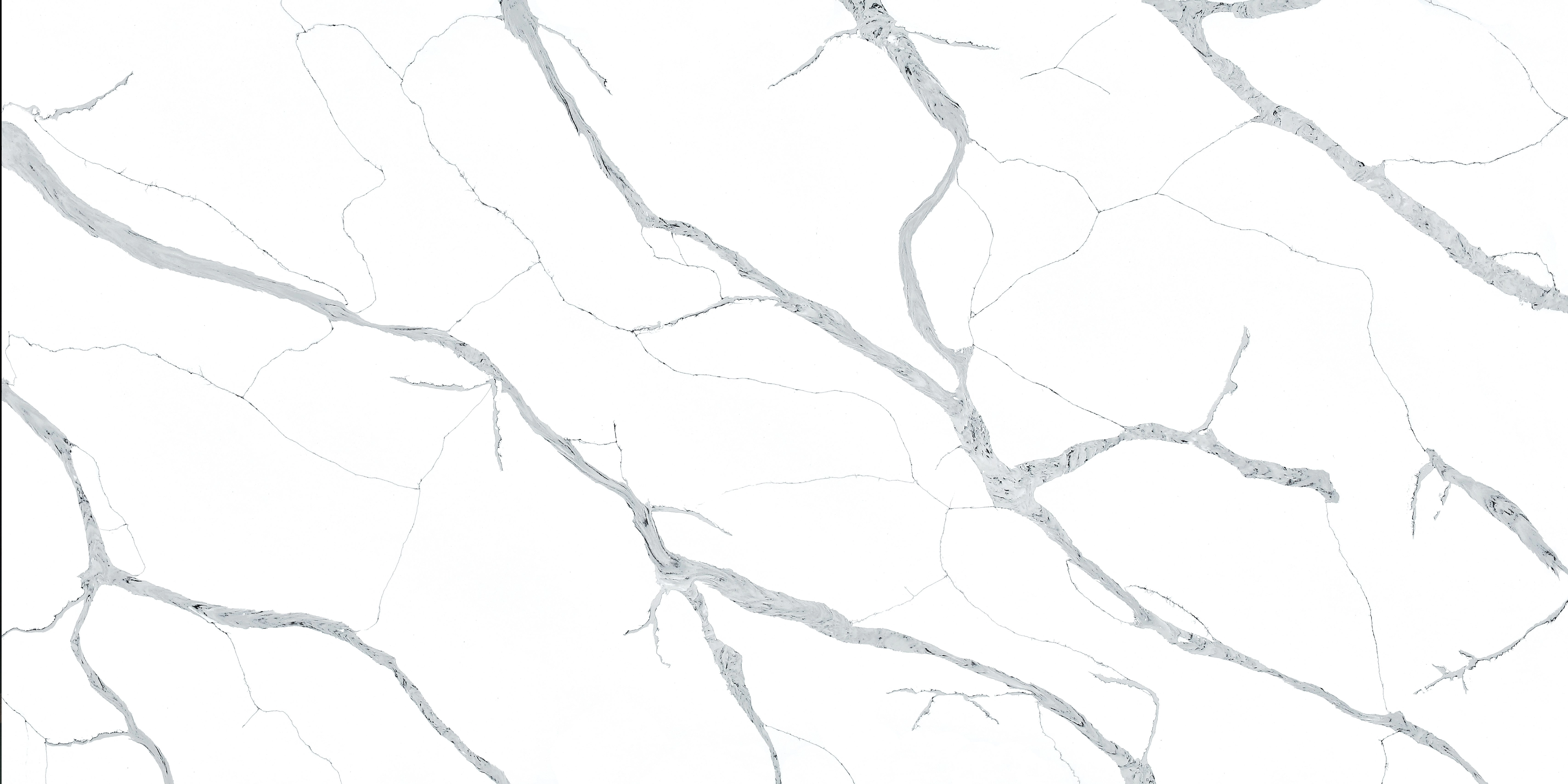
Bathroom Vanity Looks Using Calacatta Brendy Quartz
Best quartz slabs manufacturers and supplier brands
Care & Maintenace
How do I clean my quartz surface daily?
Simply use a soft cloth or sponge with mild soap and warm water. Avoid abrasive pads or harsh chemicals to maintain surface shine.
How do I remove stubborn stains or dried spills?
Use a non-abrasive household cleaner or a mixture of vinegar and water. For dried spills, gently scrape with a plastic putty knife.
FAQ
What is the minimum order quantity?
Minimum order quantity: 30 pieces.
Printed Artificial Quartz Stone
Is it suitable for commercial projects?
Absolutely. Its uniform appearance, durability, and scalability make it ideal for hotels, offices, retail, and large construction projects.
Can I customize patterns or colors?
Yes. BELLASTONE offers customized printed designs, colors, and slab specifications for OEM and project orders.
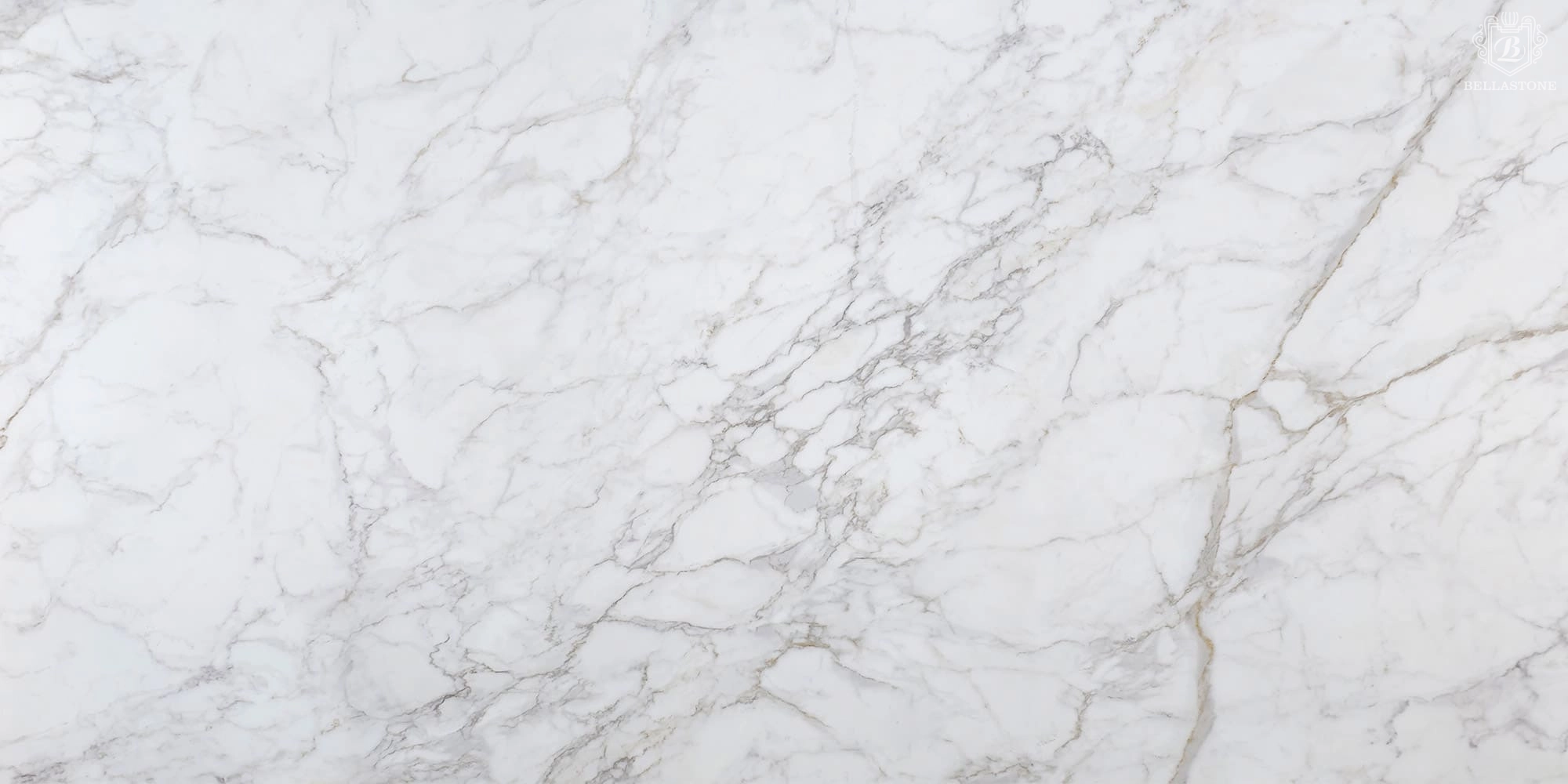
BELLASTONE Artificial Quartz Stone Printed Quartz Collection
Taking inspiration from the wave marks of snow-capped mountains, the white base is embellished with natural gray patterns, resembling the freehand layering of wind-eroded ice rocks.
The soft light texture replicates the texture of the original stone, with undulating textures resembling an eternal dialogue between ridges and waves. The high hardness and anti-pollution structure are suitable for kitchen and bathroom countertops and background walls, capturing the flowing poetry of natural power in minimalism.
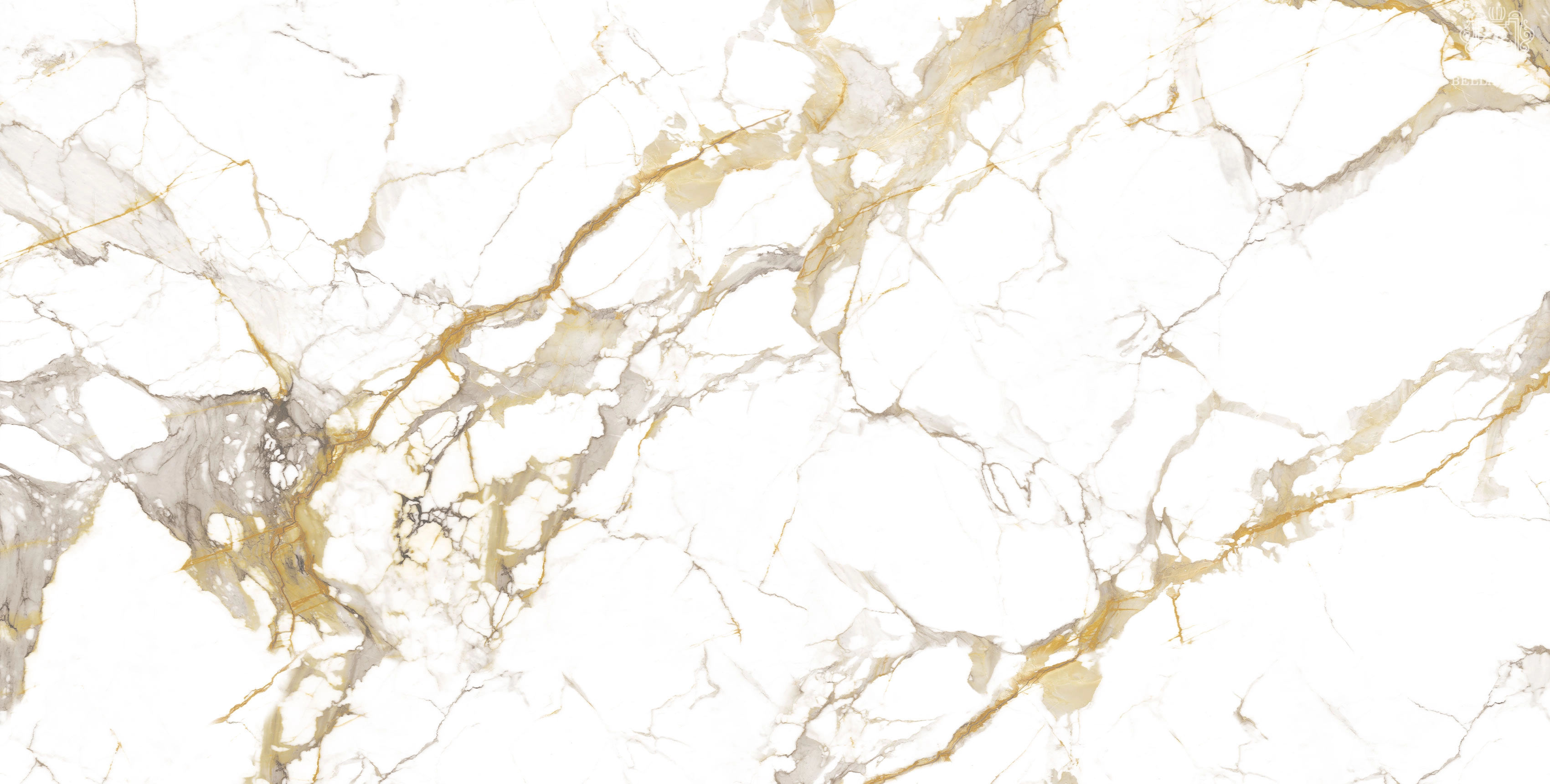
BELLASTONE Artificial Quartz Stone Printed Quartz Collection - BL5814 Ages Gilded
The soft light texture replicates the texture of the original stone, with undulating textures resembling an eternal dialogue between ridges and waves. The high hardness and anti-pollution structure are suitable for kitchen and bathroom countertops and background walls, capturing the flowing poetry of natural power in minimalism.
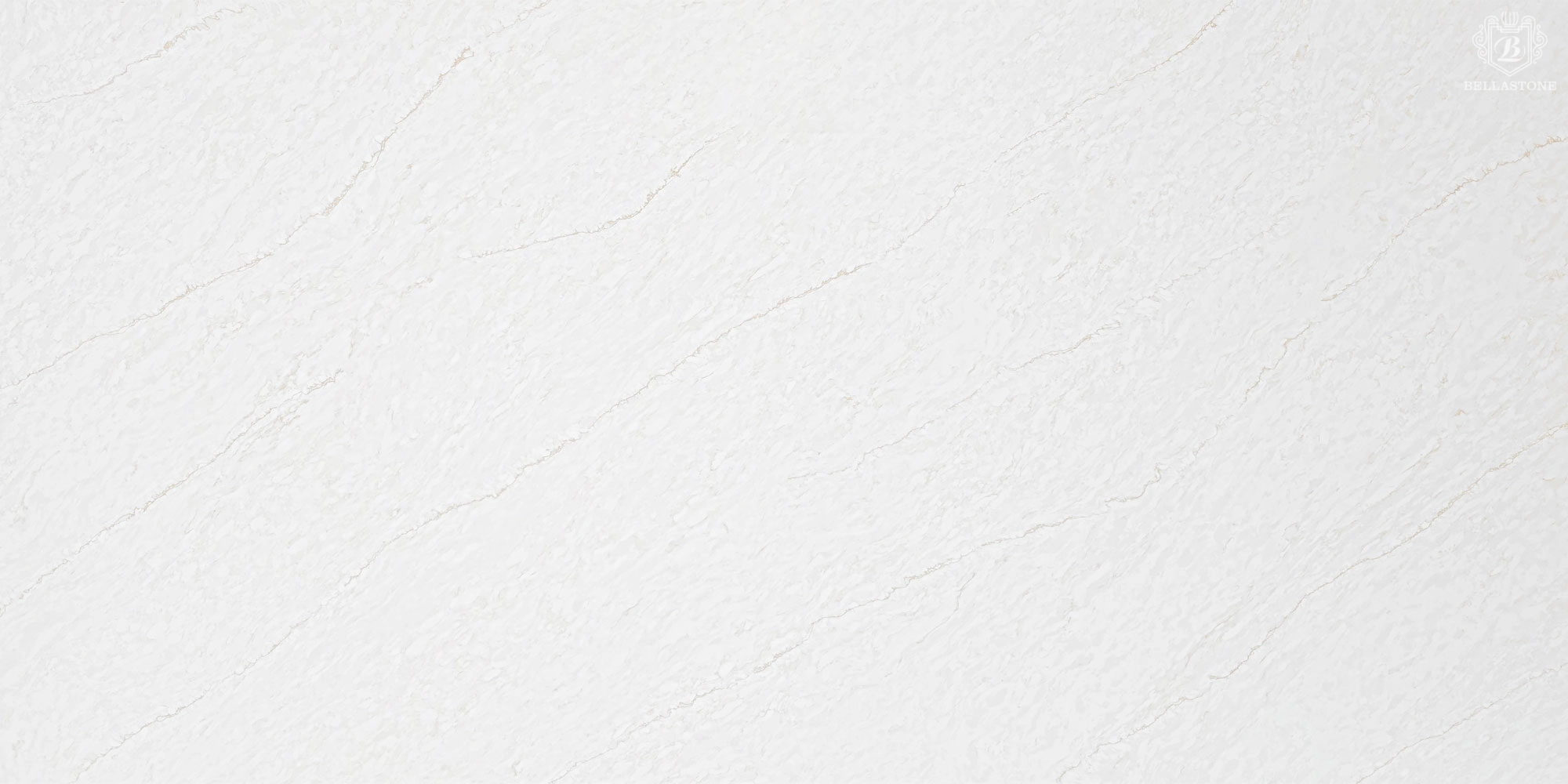
Bellastone Artificial Quartz Stone New Collection - BL8811 Taj Ivory
Taking inspiration from the ivory white of the Taj Mahal, the pure base is inlaid with light golden lines, like the gentle trajectory of the morning sun passing over the palace.
Exquisite texture replicated natural stone veins, with a soft and luxurious texture blended on the surface. The anti pollution and wear-resistant structure is suitable for high-end countertops and background walls, injecting eternal and sacred Eastern poetry into the space.

BELLASTONE Artificial Quartz Stone Printed Quartz Collection - BL5009 Rockwell
Deep grey tones form the base, with white veins elegantly diffused like an ink wash painting. The surface is flawlessly smooth and even. Combining the aesthetic appeal of natural stone with the superior durability of quartz, it is wear-resistant and easy to clean—perfect for infusing modern elegance into kitchens and bathrooms.

BELLASTONE Artificial Quartz Stone Printed Quartz Collection - BL5027 Golden Velvet
A pristine, snow-white canvas is elegantly brushed with flowing gold veins, creating a poetic blend of luxury and dynamism. The glazed-smooth surface offers scratch resistance, durability, and stain protection, making it ideal for kitchen countertops, bathroom accents, and beyond. With minimalist elegance, it defines modern sophistication and imbues spaces with timeless artistic charm.

BELLASTONE Artificial Quartz Stone Printed Quartz Collection - BL5806 Woven Time
The soft light texture replicates the texture of the original stone, with undulating textures resembling an eternal dialogue between ridges and waves. The high hardness and anti-pollution structure are suitable for kitchen and bathroom countertops and background walls, capturing the flowing poetry of natural power in minimalism.

BELLASTONE Artificial Quartz Stone Printed Quartz Collection - BL5018 Lamia
Crafted with a base as pure as winter's first snow, graceful grey veins meander like flowing streams, adorned with scattered golden lines reminiscent of starlight from the galaxy. The mirror-smooth surface seamlessly blends natural elegance with modern technology. Scratch-resistant, stain-proof, and easy to maintain, it elevates kitchens, countertops, and spaces with high-end artistry, embodying the light luxury and sophistication of contemporary home aesthetics.

Bellastone Artificial Quartz Stone New Collection - BL8804 Verdant
Taking inspiration from panda elements, the ink texture on the snow-white base naturally wanders, resembling the freehand paw prints of a young bear stepping on the first snow.
Soft texture replicated on Xuan paper, with a glossy surface infused with the charm of Eastern ink wash. The high hardness and zero permeability structure is suitable for kitchen island countertops and tea room countertops, condensing eternal black and white poetry with contemporary design language.
Whether you're exploring design trends or planning your next build, our team is here to support with product advice, pricing, and tailored solutions.
Rest assured that your privacy is important to us, and all information provided will be handled with the utmost confidentiality.
By clicking "Send Inquiry Now", I agree to your processing my personal data.
To see how to withdraw your consent, how to control your personal data, and how we process it, please see our Privacy Policy and Terms of Use.
Bellastone, Premium Quartz Manufacturer & Exporter
© 2025 BELLASTONE. All Rights Reserved. | Privacy Policy | Terms and Conditions | Sitemap
Facebook
Linkedin
YouTube